
Navigating Cloud Hosting Costs: A Comprehensive Guide
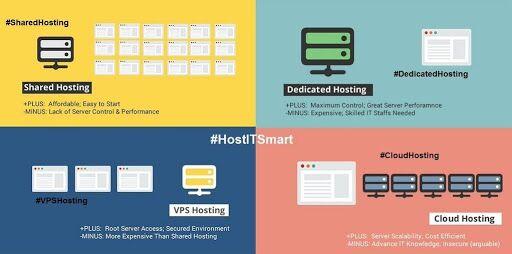
In today’s digital landscape, cloud hosting has emerged as a cornerstone for businesses of all sizes, offering flexibility, scalability, and powerful performance. However, as organizations increasingly turn to the cloud, navigating the complexities of pricing models and service offerings can become a daunting task. With a plethora of options available, from pay-as-you-go to reserved instances, understanding the nuances of cloud hosting costs is essential for making informed decisions that align with your business goals.
In this comprehensive guide, we will delve into the various factors that influence cloud hosting expenses, explore common pricing structures, and provide practical tips for optimizing your cloud investment. Whether you’re a startup weighing your first cloud service purchase or an established enterprise reassessing your current strategy, our aim is to equip you with the knowledge needed to streamline your cloud costs and ultimately harness the full potential of cloud technology. Join us as we demystify cloud hosting costs and set you on the path to smarter, more cost-effective cloud management.
Table of Contents
- Understanding Cloud Hosting Pricing Models for Better Budgeting
- Identifying Hidden Costs in Cloud Hosting Contracts
- Strategies for Optimizing Cloud Resource Usage and Reducing Expenses
- Choosing the Right Cloud Provider: Key Factors to Consider for Cost Efficiency
- Wrapping Up
Understanding Cloud Hosting Pricing Models for Better Budgeting
When considering cloud hosting, it’s essential to grasp the various pricing models that can influence your budget. Typically, these models fall into two main categories: pay-as-you-go and subscription-based pricing. The pay-as-you-go model offers flexibility, allowing you to pay for only the resources you consume, which can be ideal for fluctuating workloads. Conversely, the subscription model provides a predictable, fixed monthly cost, which can help in managing expenses for businesses with stable resource requirements.
Cloud hosting providers often include additional costs that can impact your overall expenditure, so it’s crucial to evaluate the full scope of services offered. Common factors that affect pricing include:
- Storage Space: Amount of data stored in the cloud.
- Data Transfer: Fees associated with inbound and outbound data movement.
- Compute Resources: The power of virtual machines needed for processing.
- Add-on Services: Extra features like backup, security, and scaling options.
| Pricing Model | Pros | Cons |
|---|---|---|
| Pay-As-You-Go |
|
|
| Subscription-Based |
|
|
Identifying Hidden Costs in Cloud Hosting Contracts
When reviewing cloud hosting contracts, it’s essential to delve deeper than the initial pricing to uncover potential hidden costs that could impact your budget significantly. These costs can stem from various sources, making it vital to evaluate all aspects of the service offered. Consider the following areas where expenses might accumulate:
- Data Transfer Fees: Many providers charge additional fees for data egress; knowing your expected bandwidth usage is crucial.
- Storage Costs: Beyond the basic storage cost, check for charges associated with back-ups, snapshots, and redundant storage options.
- Support Levels: Review if the plan includes responsive tech support, as premium support often incurs extra charges.
- Contract Lengths: Short-term plans can lead to higher monthly fees, while longer commitments might involve discounts, but also penalties for early termination.
Additionally, understanding the billing structure can help reveal hidden expenses that might not be immediately apparent. It’s advisable to scrutinize any potential usage-based bills that can spike unexpectedly, particularly during peak usage times. A comparison table can clarify these factors:
| Cost Factor | Description | Potential Impact |
|---|---|---|
| Data Egress | Fees for transferring data out of the cloud | Unexpected spikes in costs based on usage |
| Storage Overages | Charges for exceeding allocated storage | Additional fees that can escalate quickly |
| Support Upgrades | Higher-tier support options at an extra cost | Increased monthly expenses if needed frequently |
| Service Level Agreements (SLA) | Promise of uptime may come at a premium | Risks associated with outages and penalties |
Strategies for Optimizing Cloud Resource Usage and Reducing Expenses
To effectively manage cloud-based expenses, implementing a range of strategies is critical. One of the most effective approaches is rightsizing your resources. This process involves analyzing your current usage patterns and adjusting your instances to match actual needs. For example, consider downgrading instances during off-peak hours or exploring serverless architecture options that automatically scale based on demand. Additionally, taking advantage of pricing calculators and free-tier offerings can provide significant savings. Regularly reviewing your bills and using tagging strategies can help you identify unused resources or services that may be unnecessarily inflating costs.
Another key tactic is to focus on commitment discounts and spot instances. Leveraging reserved instances can offer substantial savings over time, while spot instances allow you to bid for spare capacity at reduced prices, perfect for non-urgent workloads. Implementing automation tools for scaling can also ensure you’re only utilizing resources when truly needed, further driving down costs. keeping an eye on multi-cloud strategies can help ensure you are taking advantage of the best rates available across providers.
Choosing the Right Cloud Provider: Key Factors to Consider for Cost Efficiency
When it comes to selecting a cloud provider, several aspects can significantly influence your overall costs. It’s essential to start by evaluating the pricing models offered by various providers. Common models include pay-as-you-go, reserved instances, and spot pricing. Each approach has its own advantages and can lead to substantial savings based on your projected usage. In addition, consider the hidden fees associated with data storage, transfer, and additional services that are often overlooked. Make sure to conduct a thorough comparison of costs over time, factoring in scaling potential as your needs grow.
Another pivotal consideration is the service level agreements (SLAs) that dictate uptime and support. A provider with higher availability might charge more, but the business losses due to downtime could far exceed the cost difference. Additionally, evaluate the flexibility offered by the provider for switching plans or scaling services. Providers that allow easy adjustments can help you avoid locking into costly long-term contracts. It’s wise to also assess their resource management capabilities, as efficient usage can lead to massive reductions in waste and, consequently, costs.
Wrapping Up
navigating the intricate landscape of cloud hosting costs doesn’t have to be a daunting task. By understanding the key factors that influence pricing—such as usage patterns, service tiers, and potential hidden fees—you can make informed decisions that align with your business goals. Remember to regularly reassess your cloud hosting strategy, as the market is continually evolving with new technologies and pricing models.
Whether you’re a startup looking to scale, or an established enterprise seeking efficiency, being proactive in managing your cloud expenses is essential. With these insights in hand, you are now equipped to optimize your cloud spending, ensuring that you leverage the full potential of cloud technology without breaking the bank.
Thank you for joining us on this journey through the complexities of cloud hosting costs. We hope this guide has provided clarity and confidence as you venture into the cloud. If you have any experiences or tips to share, we’d love to hear from you in the comments below! Happy cloud hosting!