
Discover the Environmental Advantages of Cloud Hosting
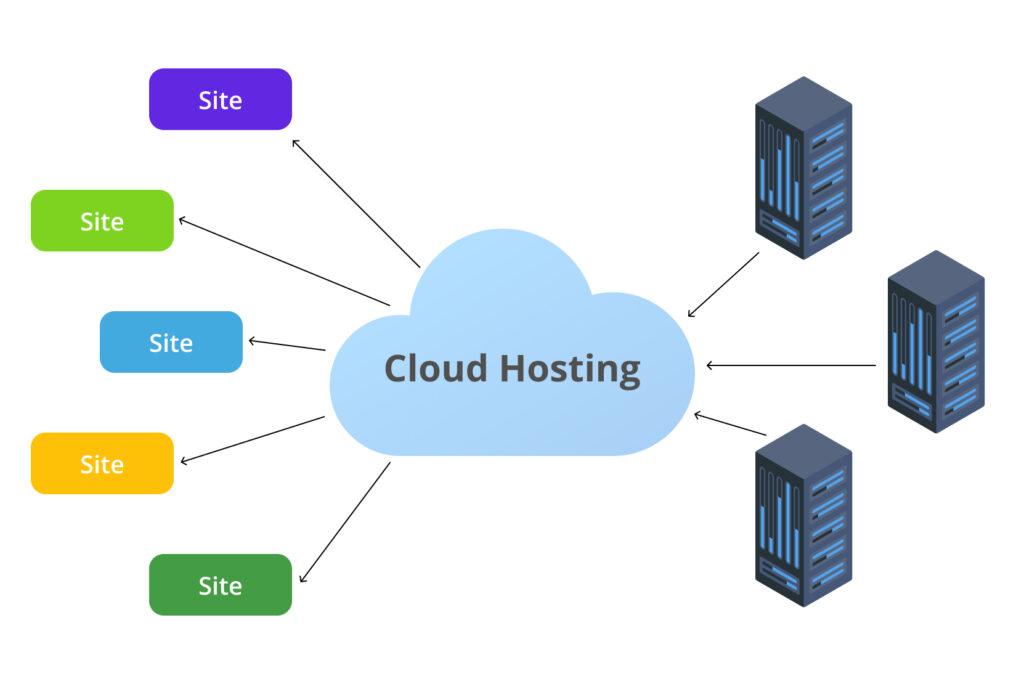
In today’s rapidly evolving digital landscape, businesses are increasingly seeking solutions that not only enhance their operational efficiency but also minimize their environmental impact. Enter cloud hosting—an innovative approach to data management and storage that offers significant ecological benefits. As organizations migrate their resources from traditional on-premises servers to the cloud, they are discovering a powerful ally in the fight against climate change. In this article, we will explore the environmental advantages of cloud hosting, highlighting how this technology not only supports sustainable business practices but also contributes to a greener planet. From energy efficiency and reduced carbon footprints to promoting renewable energy sources, join us on a journey to understand how cloud hosting is revolutionizing the way we think about technology and the environment.
Table of Contents
- Understanding the Eco-Friendly Infrastructure of Cloud Hosting
- Maximizing Energy Efficiency Through Virtualization and Resource Allocation
- Reducing Carbon Footprint with Scalable Cloud Solutions
- Implementing Sustainable Practices in Your Cloud Strategy
- Final Thoughts
Understanding the Eco-Friendly Infrastructure of Cloud Hosting
As the demand for digital services escalates, the infrastructure supporting cloud hosting has evolved to prioritize sustainability. Modern cloud data centers are designed with energy efficiency at their core, utilizing state-of-the-art technology to reduce their environmental footprint. Key elements contributing to this green approach include:
- Renewable Energy Sources: Many providers commit to operating their facilities powered by wind, solar, or hydroelectric energy.
- Advanced Cooling Techniques: Utilizing natural cooling methods or liquid cooling systems significantly reduces energy consumption.
- Optimized Hardware: Tailored hardware solutions minimize electricity usage while maximizing performance, further enhancing energy efficiency.
Beyond operational efficiencies, cloud hosting platforms are pivotal in promoting sustainability at a global scale. By leveraging shared resources, businesses can significantly cut down on individual server production and maintenance, leading to the conservation of raw materials and a decrease in electronic waste. Embracing cloud solutions not only supports eco-friendly practices, but it also fosters a collaborative approach towards reducing the global digital carbon footprint. For a clearer understanding of the environmental impact, consider the following comparative table:
| Traditional Hosting | Cloud Hosting |
|---|---|
| Higher energy consumption | Lower energy consumption due to shared resources |
| Increased carbon emissions | Significant reductions in CO2 emissions |
| More electronic waste | Less e-waste through efficient recycling practices |
Maximizing Energy Efficiency Through Virtualization and Resource Allocation
Virtualization techniques play a pivotal role in optimizing energy consumption within cloud hosting environments. By consolidating workloads across fewer physical machines, businesses can significantly reduce the number of servers required, leading to lower energy usage and a smaller carbon footprint. This method not only enhances resource allocation but also minimizes overhead in cooling and maintenance, as fewer machines mean less heat generation and reduced demand for energy-intensive cooling systems.
Moreover, advanced resource allocation strategies allow for dynamic scaling of computing power based on demand. This adaptability means that energy resources are only utilized when needed, helping to avoid the wastefulness associated with underutilized hardware. By implementing load balancing and resource optimization techniques, organizations can ensure that energy consumption is kept to a minimum while maintaining high performance levels. The table below illustrates the comparative energy savings achieved through effective virtualization and resource allocation:
| Virtualization Strategy | Energy Savings (%) | Reduced Carbon Footprint (Tons) |
|---|---|---|
| Load Balancing | 30% | 12 |
| Dynamic Scaling | 25% | 10 |
| Server Consolidation | 40% | 15 |
| Resource Optimization | 35% | 14 |
Reducing Carbon Footprint with Scalable Cloud Solutions
As businesses strive to meet their sustainability goals, adopting cloud hosting solutions presents a compelling opportunity to lower environmental impact. Cloud providers implement energy-efficient technologies and utilize renewable energy sources to power their data centers, drastically minimizing the carbon footprint associated with traditional on-premises IT infrastructure. By leveraging scalable solutions, companies can also reduce hardware waste since cloud services encourage the shared use of resources, ensuring that computing power is allocated efficiently and judiciously. This approach translates to a lower demand for physical servers, which in turn lessens the environmental toll of manufacturing and disposing of IT equipment.
Moreover, cloud solutions offer businesses the flexibility to scale operations according to their needs, leading to an optimized energy consumption. For instance, during off-peak hours, cloud tools dynamically allocate resources, effectively reducing the overall energy use. This is in stark contrast to the fixed capacities of traditional servers, which often run at less-than-optimal capacities. The tangible benefits of cloud hosting can be summarized as follows:
| Benefit | Description |
|---|---|
| Resource Efficiency | Minimizes the need for physical servers through shared resources. |
| Reduced Energy Consumption | Dynamic allocation saves energy during low-demand periods. |
| Utilization of Renewables | Many cloud providers are committed to using renewable energy. |
Implementing Sustainable Practices in Your Cloud Strategy
As organizations move towards a greener future, integrating sustainable practices into your cloud strategy is not just beneficial for the environment but also vital for fostering a positive brand image. Utilizing energy-efficient data centers, which are optimized for reduced power consumption, is a significant step. These centers often utilize renewable energy sources, further minimizing their carbon footprint. By opting for providers that prioritize sustainability, companies can leverage the advantages of cloud hosting while contributing to global environmental efforts. In addition, consider implementing virtualization technologies to maximize resource use, which leads to less physical hardware and, ultimately, lower energy requirements.
Moreover, effective resource management plays a crucial role in sustainable cloud practices. Engaging in strategies like auto-scaling enables dynamic allocation of resources, reducing wasted energy during low-demand periods. Furthermore, adopting data lifecycle management can help minimize data storage needs, ultimately decreasing the physical infrastructure’s environmental impact. To encapsulate these elements, here’s a simple overview of sustainable cloud strategies:
| Sustainable Practice | Environmental Benefit |
|---|---|
| Energy-efficient Data Centers | Reduced carbon footprint |
| Renewable Energy Sources | Less reliance on fossil fuels |
| Virtualization Technologies | Minimized hardware needs |
| Auto-Scaling Resource Allocation | Efficient energy use |
| Data Lifecycle Management | Lower storage impact |
Final Thoughts
as we navigate an era increasingly defined by environmental awareness, the shift to cloud hosting emerges as not just a technological evolution but a strategic imperative for sustainability. By leveraging cloud infrastructure, businesses can significantly reduce their carbon footprint, optimize resource utilization, and contribute to a greener planet. The environmental advantages of cloud hosting are clear: it offers a path toward more efficient energy consumption, reduced waste, and a commitment to responsible technology use.
As organizations consider their operational strategies, embracing cloud hosting is not just about improving performance; it’s about taking a proactive stance on environmental responsibility. By making the switch, you’re not only investing in your business’s future but also participating in a global movement towards sustainability.
Thank you for joining us on this exploration of cloud hosting’s environmental benefits. We encourage you to assess your current hosting solutions and consider how embracing the cloud can help both your business and the planet thrive. Together, we can create innovative solutions that foster a sustainable future for generations to come.