
Cloud Hosting vs. Dedicated Hosting: Which Is Right for You?
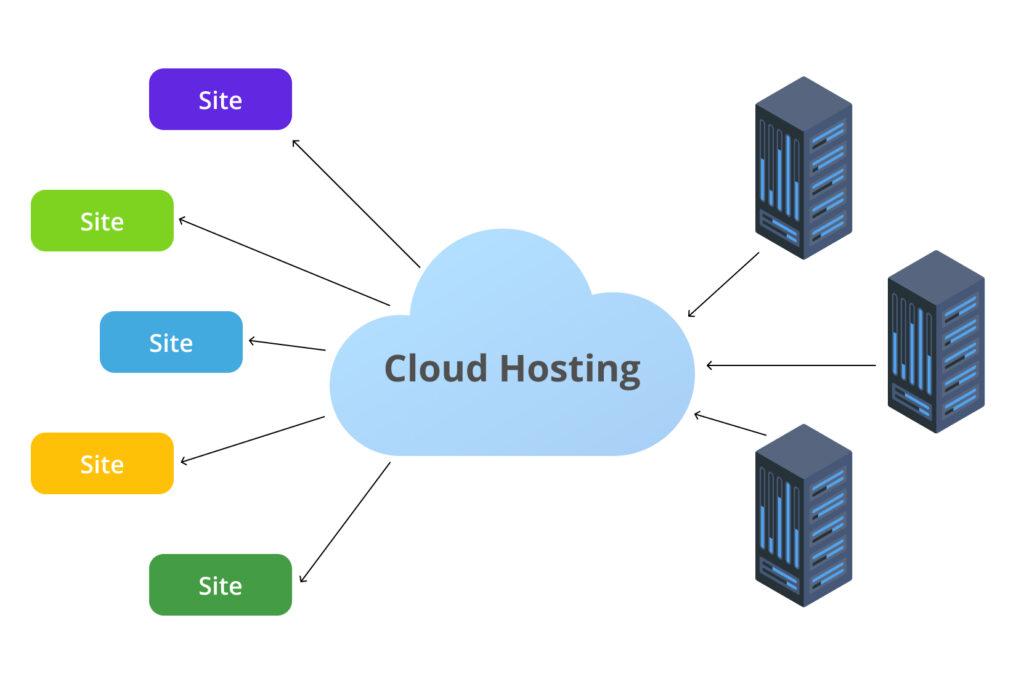
In today’s digital landscape, the choice of hosting can significantly impact the performance, security, and scalability of your online presence. As businesses and individuals alike increasingly rely on web hosting to power their websites and applications, two primary options emerge: cloud hosting and dedicated hosting. Each has unique advantages, but the decision between them can often feel overwhelming. Are you a growing startup that needs flexibility, or a large enterprise requiring dedicated resources? This article will explore the fundamental differences between cloud hosting and dedicated hosting, helping you understand which solution best aligns with your needs, budget, and long-term goals. Whether you’re launching a new website, managing a high-traffic platform, or simply looking to optimize your current setup, gaining clarity on these hosting options is essential for making an informed choice that propels your digital strategy forward.
Table of Contents
- Understanding Cloud Hosting: Benefits and Use Cases
- Exploring Dedicated Hosting: Advantages and Ideal Scenarios
- Comparative Analysis: Performance, Scalability, and Cost
- Making the Right Choice: Key Considerations for Your Business Needs
- In Summary
Understanding Cloud Hosting: Benefits and Use Cases
Cloud hosting offers a range of benefits that make it an attractive choice for businesses and individuals alike. One of the most significant advantages is scalability. Users can easily increase or decrease their resources based on demand, ensuring they pay only for what they use. This flexibility is particularly beneficial for startups and growing businesses that may experience sudden spikes in traffic. Other key benefits include:
- Cost-effectiveness: Reduced hardware expenses and maintenance costs.
- Reliability: High uptime and availability thanks to multiple server locations.
- Performance: Enhanced speeds due to the distribution of resources across multiple servers.
- Data security: Robust security measures to protect sensitive information.
In terms of use cases, cloud hosting shines in various scenarios. It is ideal for e-commerce sites that experience fluctuating traffic, as these platforms can quickly adjust their resources during peak shopping seasons. Additionally, businesses that require collaboration among distributed teams can benefit from cloud hosting, as it facilitates seamless access to applications and file sharing. Here are some common use cases:
- Web applications: Rapid deployment for SaaS products.
- Development and testing: Easily create environments for developers.
- Backup and recovery: Reliable solutions for data storage and disaster recovery.
Exploring Dedicated Hosting: Advantages and Ideal Scenarios
Dedicated hosting offers a range of benefits, making it an attractive option for certain types of businesses. One of the most significant advantages is the access to entire server resources dedicated solely to your website or application. This means you can expect higher performance, faster loading speeds, and the ability to handle a larger volume of traffic without delays. Moreover, dedicated hosting provides you with greater customization options, allowing for tailored configurations that suit your specific needs, whether it’s high-performance databases, security protocols, or unique software installations.
Ideal scenarios for dedicated hosting typically involve businesses that require extensive control and reliability. Examples include:
- High-traffic websites that need consistent performance during peak times.
- Online businesses running complex applications that demand significant server resources.
- Organizations that require strict compliance with security and data protection regulations.
- Companies looking for customizable environments to run bespoke software solutions.
When weighed against public cloud options, dedicated hosting shines in scenarios where consistent performance, increased security, and dedicated resources are paramount. The level of control provided can translate to an enhanced user experience and improved operational efficiency.
Comparative Analysis: Performance, Scalability, and Cost
When evaluating cloud hosting and dedicated hosting, performance varies significantly based on the underlying infrastructure. Cloud hosting often delivers high availability due to its distributed nature, allowing for load balancing and automatic failover. This results in reduced downtime and enhanced performance during traffic spikes. Conversely, dedicated hosting offers exclusive access to physical servers, which can translate to superior performance levels for resource-intensive applications. Factors like CPU speed, RAM allocation, and disk speed play critical roles in determining the efficiency and responsiveness of both hosting types.
Scalability is another essential aspect to consider. With cloud hosting, you can easily scale resources up or down based on demand, making it highly flexible for businesses with fluctuating traffic. This elasticity allows for cost-effective use of resources, ensuring you only pay for what you use. In contrast, dedicated hosting typically involves a more fixed resource allocation, which can lead to overprovisioning and wasted costs if not carefully managed. The comparative cost structure between the two can be summarized as follows:
| Hosting Type | Performance | Scalability | Cost Structure |
|---|---|---|---|
| Cloud Hosting | High availability with automatic scaling | Highly scalable, pay-as-you-go | Variable costs based on usage |
| Dedicated Hosting | Consistent high performance | Limited scalability; fixed resources | Fixed monthly fee regardless of usage |
Making the Right Choice: Key Considerations for Your Business Needs
Choosing the right hosting solution for your business involves evaluating several crucial factors. First and foremost, consider your business size and growth projections. If you’re a small business or a startup, cloud hosting might be more suitable due to its scalability and cost-effectiveness. As you grow, you can easily adjust your resources without hefty investments in hardware. In contrast, larger enterprises with significant and consistent traffic may find that dedicated hosting offers the performance and reliability they require, especially for resource-intensive applications.
Another aspect to contemplate is your level of technical expertise. Cloud hosting platforms often come with user-friendly interfaces and extensive support, making them accessible for users without a deep technical background. On the other hand, dedicated hosting typically requires more IT knowledge to manage the server effectively, including maintenance and security. To help clarify your options, consider the following table that succinctly compares key features of both hosting types:
| Feature | Cloud Hosting | Dedicated Hosting |
|---|---|---|
| Cost | Pay-as-you-go | Fixed monthly fee |
| Scalability | Highly scalable | Limited scalability |
| Performance | Variable based on usage | Consistently high |
| Management | User-friendly tools | Requires technical expertise |
In Summary
choosing between cloud hosting and dedicated hosting ultimately depends on your unique business needs, budget, and future scalability. Cloud hosting offers flexibility and versatility, making it an excellent choice for businesses that experience fluctuating traffic and prioritize quick resource allocation. On the other hand, dedicated hosting provides robust performance and enhanced security, making it ideal for organizations that require consistent reliability and control over their server environment.
As you weigh your options, consider not only the present needs of your website but also your long-term goals. Both hosting solutions have their distinct benefits, and understanding these nuances will empower you to make an informed decision, optimizing your online presence effectively.
To further assist you in your journey, take the time to evaluate your current infrastructure, anticipate your growth, and consult with your hosting provider to find the best fit. Remember, the right hosting solution can be the cornerstone of your online success, enabling your business to thrive in a competitive digital landscape. Thank you for reading!