
When to Transition from Shared Hosting to VPS Hosting
: A Guide for Growing Websites
As your website evolves, so too do its hosting needs. For many, starting out on shared hosting makes perfect sense — it’s affordable, user-friendly, and an excellent way to dip your toes into the digital waters. However, as your traffic increases and your online presence expands, shared hosting can become a hindrance rather than a help. In this article, we’ll explore the critical signs that it’s time to make the leap to Virtual Private Server (VPS) hosting. We’ll delve into the benefits of VPS, what to look out for in your current setup, and how to ensure a smooth transition that sets the stage for sustained growth and enhanced performance. Whether you’re a blogger, an entrepreneur, or managing a small business site, understanding when to upgrade your hosting solution can be pivotal in maintaining a seamless, fast, and reliable user experience. Let’s uncover the key indicators that it’s time to take that important step forward.
Table of Contents
- Understanding the Limitations of Shared Hosting
- Signs That Your Website Needs More Resources
- Benefits of VPS Hosting for Growing Websites
- Transition Strategies for a Smooth Upgrade to VPS Hosting
- Closing Remarks
Understanding the Limitations of Shared Hosting
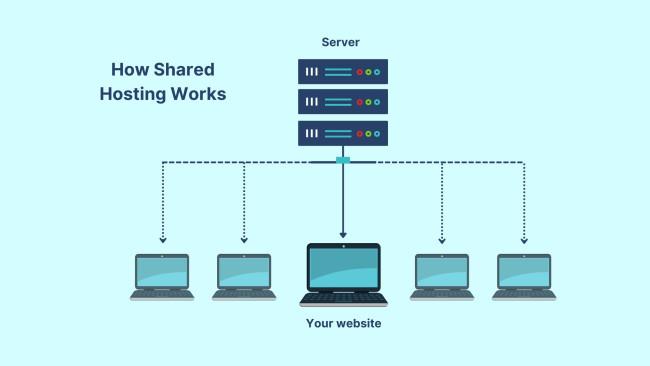
Shared hosting can be a great starting point for many individuals and small businesses due to its cost-effectiveness and ease of use. However, as your website grows, you’ll start to encounter some inherent limitations that can hinder performance and scalability. For one, resources are shared among multiple users, which can lead to slower load times and reduced reliability, especially during peak traffic periods. Additionally, the lack of flexibility in server configurations can limit your ability to customize software or applications essential for your website’s needs. Here are some key limitations of shared hosting to consider:
- Resource Restrictions: Limited CPU, memory, and bandwidth affecting performance.
- Security Risks: Vulnerability to security breaches from neighboring accounts.
- Limited Control: Inability to install custom software or modify server settings.
- Potential Uptime Issues: Downtime due to resource overuse by other users on the same server.
Moreover, the lack of dedicated support can be a significant drawback. In shared hosting environments, technical support may not always prioritize your site if issues arise, particularly if they’re caused by other users on the server. This can lead to longer resolution times and frustration during crucial moments. To illustrate these differences in performance and control, consider the following comparison between shared hosting and VPS hosting:
| Feature | Shared Hosting | VPS Hosting |
|---|---|---|
| Resource Allocation | Shared with others | Dedicated resources |
| Custom Software | No | Yes |
| Control | Minimal | Full control |
| Performance Stability | Variable | Consistently high |
Signs That Your Website Needs More Resources
Understanding when your website requires an upgrade in resources is crucial for maintaining performance and user satisfaction. If visitors are frequently experiencing slow loading times or encountering error messages, it often indicates that your current hosting plan, such as shared hosting, is reaching its limits. High website traffic, particularly spikes that exceed normal daily visits, can overwhelm your resources, leading to a sluggish experience or even site downtime. Additionally, if your website contains multiple media files or applications, such as e-commerce functionalities or interactive features, the shared environment may not provide the necessary bandwidth and processing power.
Another vital sign is increased security concerns. If you manage sensitive customer data or handle transactions, the basic security features of shared hosting may not suffice, leaving your site vulnerable to attacks. Moreover, you may start to notice that your site’s performance varies significantly during peak times or that you are often limited by resource quotas set by your hosting provider. In these scenarios, transitioning to VPS hosting can offer dedicated resources, better performance, and enhanced security. Consider reviewing your analytics and the following table for a quick reference of signs indicating that a resource upgrade is necessary:
| Signs | Implication |
|---|---|
| Slow loading times | Users may abandon your site, impacting conversions. |
| Error messages (e.g., 503) | Indicates server overload; possible downtime. |
| Traffic spikes | Shared hosting may struggle to handle higher loads. |
| Security vulnerabilities | Inadequate protection for sensitive information. |
Benefits of VPS Hosting for Growing Websites
Transitioning to VPS hosting can bring a myriad of advantages for a growing website. One of the primary benefits is enhanced performance. Unlike shared hosting, where multiple sites share the same resources, a VPS allocates a dedicated portion of server resources. This translates to improved page loading speeds and a better user experience, which are crucial as your traffic increases. Additionally, with VPS hosting, you have the ability to handle sudden traffic spikes without crashing or slowing down, ensuring that your website remains accessible at all times.
Another significant advantage is increased control and customization. With a VPS, you have root access to your server, allowing you to install and configure your software as needed. This flexibility enables you to optimize your environment specifically for your website’s requirements, whether it’s for enhanced security measures or specialized applications. Moreover, VPS hosting often includes the ability to manage your server through user-friendly control panels, simplifying the management process for those who may not have extensive technical knowledge.
Transition Strategies for a Smooth Upgrade to VPS Hosting
Transitioning from shared hosting to VPS hosting is a significant decision that can enhance your website’s performance and security. Begin by conducting a thorough assessment of your current hosting environment. This includes evaluating your website traffic, resource usage, and the level of control you require. Once you’ve identified the right VPS plan that aligns with your future needs, consider creating a detailed migration plan. Key components to include in your plan might be:
- Backup Data: Ensure all your website files, databases, and emails are backed up.
- Choose a Migration Window: Schedule the transition during off-peak hours to minimize disruption.
- Check Compatibility: Confirm that your applications and scripts are compatible with the new server environment.
- DNS Configuration: Prepare to update your DNS settings to point to the new VPS.
During the actual migration, monitor the process closely to address any unforeseen issues promptly. After transferring your files and setting up the necessary configurations on the VPS, conduct a comprehensive testing phase to ensure everything functions correctly. Key areas to focus on include:
- Site Performance: Use tools to measure load times and responsiveness.
- Functionality: Test all links, forms, and interactive elements to ensure they work seamlessly.
- Security Measures: Implement firewalls, SSL certificates, and other security protocols.
consider a rollback plan in case any major issues arise post-migration. Establish a timeline to reassess the site performance regularly, ensuring your VPS hosting provides the benefits you anticipated.
Closing Remarks
As your online presence expands and your website begins to attract more visitors, the choice of hosting becomes increasingly pivotal to your success. Transitioning from shared hosting to VPS hosting can seem daunting, but it’s a crucial step in ensuring that your website operates smoothly, securely, and efficiently. By recognizing the signs that it’s time to make the switch—such as performance issues, resource limitations, or growing traffic—you position your business for future growth and enhance user experience.
while shared hosting may have served your needs in the early stages, VPS hosting offers the scalability, speed, and control necessary for a thriving online environment. Take the time to assess your specific requirements and consider the benefits that VPS hosting can bring. If you’re ready to elevate your website to the next level, the investment in VPS hosting will undoubtedly pay off in the form of improved reliability and performance.
Remember, the digital landscape is ever-evolving, and staying proactive about your hosting solutions is key to remaining competitive. Here’s to your success in making the right hosting choices that align with your business goals!