
Minimizing Downtime: The Benefits of Cloud Hosting Solutions
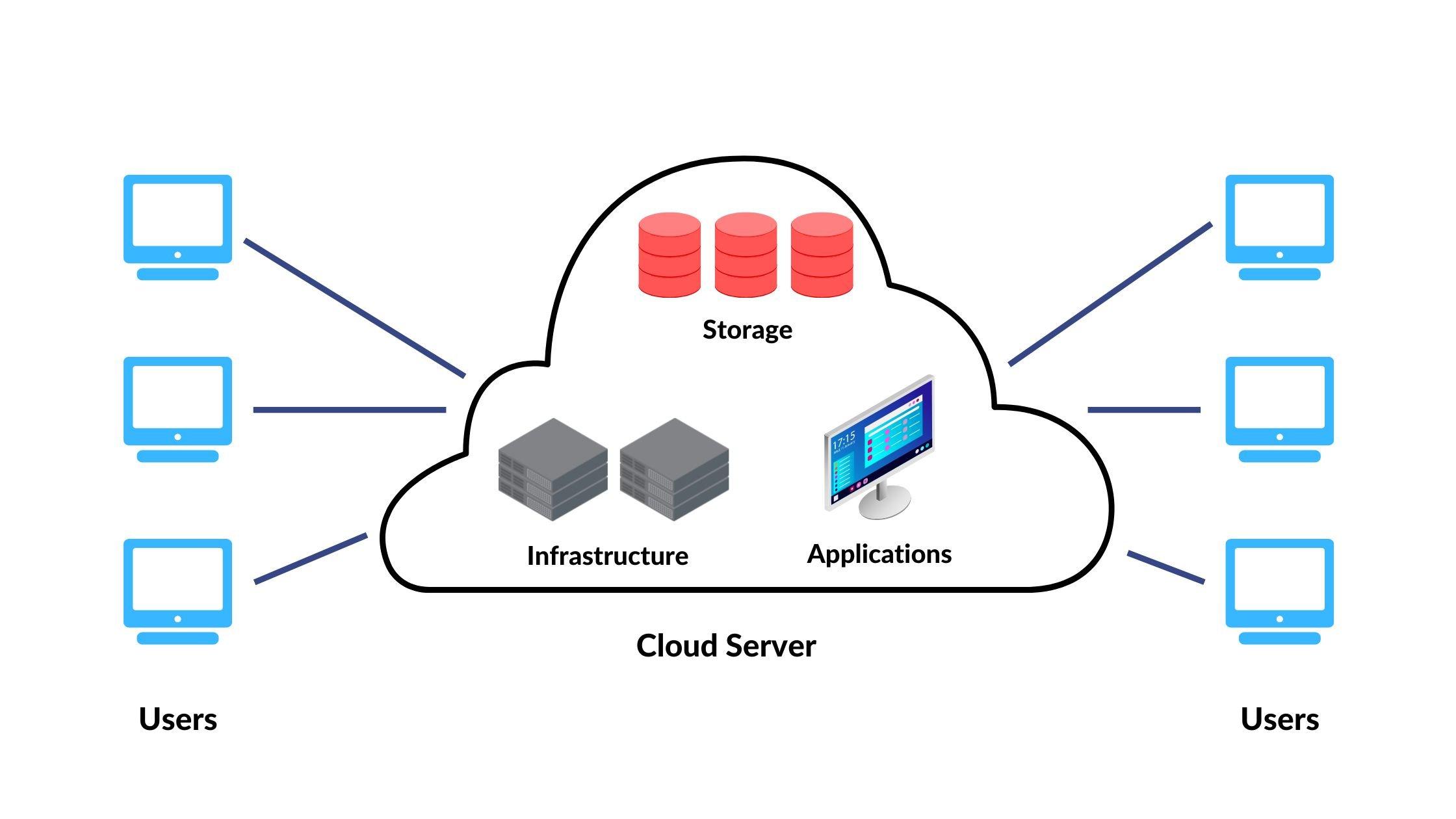
In today’s fast-paced digital landscape, businesses are under constant pressure to maintain operational efficiency and ensure seamless user experiences. One of the critical aspects of achieving this goal is minimizing downtime, which can lead to significant losses in revenue and customer trust. Enter cloud hosting solutions—robust, scalable, and increasingly popular alternatives to traditional hosting methods. With the ability to distribute workloads across multiple servers and offer impressive redundancy features, cloud hosting not only enhances reliability but also optimizes performance during peak demand. In this article, we’ll explore the myriad benefits of cloud hosting solutions, highlighting how they can help businesses minimize downtime, boost resilience, and ultimately gain a competitive edge in their respective markets. Let’s dive into the practical advantages that make cloud hosting a game-changer for modern enterprises.
Table of Contents
- Understanding the Cost of Downtime and Its Impact on Business Operations
- Exploring the Resilience and Scalability of Cloud Hosting Solutions
- Strategies for Implementing Cloud Hosting to Reduce Downtime
- Best Practices for Monitoring and Managing Cloud Performance
- The Way Forward
Understanding the Cost of Downtime and Its Impact on Business Operations
Downtime can be a significant financial burden on businesses, leading to lost revenue, decreased productivity, and potential damage to brand reputation. The costs associated with system failures can escalate quickly, encompassing everything from missed sales opportunities to the expense of troubleshooting and repairs. For many organizations, understanding the breadth of these impacts is crucial for effective budget allocation and risk management. The potential implications can often be categorized as follows:
- Revenue Loss: Direct correlation between downtime and lost sales.
- Operational Disruption: Decreased workforce efficiency during outages.
- Brand Damage: Employee and customer trust eroded through repeated failures.
In addition to direct losses, hidden costs can also emerge, such as the expenditure on regulatory compliance if downtime leads to data breaches or violates service level agreements. As these challenges mount, businesses increasingly turn to cloud hosting solutions as a proactive strategy to minimize downtime. The advantages of cloud solutions can be illustrated as follows:
| Benefit | Description |
|---|---|
| Scalability | Offers the ability to adjust resources dynamically based on demand, minimizing the risk of overload. |
| Redundancy | Backups and failover systems ensure continuous availability and data integrity. |
| Cost-effectiveness | Reduces overhead costs by eliminating the need for extensive in-house infrastructure. |
Exploring the Resilience and Scalability of Cloud Hosting Solutions
In the increasingly digital world, the demand for robust hosting solutions has never been higher. Cloud hosting platforms stand out for their capacity to maintain continuity even during unexpected challenges. This resilience is primarily due to their distributed nature; when one server faces an issue, the load can be seamlessly redirected to another. By leveraging such features, businesses can significantly minimize downtime, ensuring that services remain available to users without interruption. Key advantages include:
- Redundant Systems: Multiple backups across different locations.
- Auto-Scaling: Automatic adjustments to server resources in response to traffic spikes.
- Load Balancing: Intelligent distribution of traffic to prevent overload on any single server.
Furthermore, the scalability of cloud hosting solutions is a game-changer for growing businesses. Unlike traditional hosting methods, where scaling might involve substantial upfront investments and long lead times, cloud solutions offer on-demand resource allocation tailored to specific needs. This flexibility allows organizations to expand their capabilities without the hassle of hardware procurement or complex setup processes. Businesses can manage their resources through intuitive dashboards, allowing for real-time monitoring and adjustments. The core benefits of scalability include:
- Cost Efficiency: Pay only for what you use.
- Quick Deployment: Resources can be provisioned almost instantly.
- Enhanced Performance: Optimize resources based on user demand.
Strategies for Implementing Cloud Hosting to Reduce Downtime
To effectively reduce downtime using cloud hosting, organizations should prioritize a multi-cloud strategy. By leveraging multiple cloud service providers, businesses can ensure that if one provider experiences an outage, the others remain operational. This diversification helps in distributing workloads and provides a failover mechanism. Additionally, employing load balancing techniques can efficiently allocate resources based on traffic demands, thereby enhancing performance during peak usage times and minimizing the risk of server overloads. The implementation of automated backup systems is equally crucial, allowing for regular snapshots of data and applications, which can be quickly restored in case of failures.
Another significant aspect of cloud hosting strategies is the monitoring and alerting systems. These systems enable proactive identification of potential issues before they escalate into major outages. By integrating real-time monitoring tools, businesses can closely track server performance, application health, and network activity. Furthermore, organizations should ensure they have a robust disaster recovery plan in place. This includes regular testing of recovery procedures and ensuring that stakeholders are familiar with the actions to take during system failures. maintaining a comprehensive approach to these strategies will bolster an organization’s resilience and commitment to uptime, significantly enhancing user experience and operational efficiency.
Best Practices for Monitoring and Managing Cloud Performance
To ensure optimal cloud performance, it’s crucial to establish a systematic approach to monitoring. Start by implementing real-time performance monitoring tools that can track application performance, server health, and user experience. Utilize services that allow for customizable dashboards to visualize key performance indicators (KPIs) such as server response times, CPU usage, and bandwidth consumption. This proactive approach will empower teams to identify and troubleshoot issues before they escalate, ensuring minimal disruption to services.
In addition to monitoring, effective management strategies are essential for maintaining cloud performance. Regularly conduct performance audits to assess system functionality and identify any bottlenecks. Engage in load balancing and auto-scaling techniques to manage traffic surges and optimize resource allocation. To support these strategies, consider maintaining a documented incident response plan that outlines steps to take during downtime or performance degradation, which can help speed up recovery. Here’s a concise comparison of popular cloud monitoring tools:
| Tool | Key Features | Pricing Model |
|---|---|---|
| Datadog | Real-time monitoring, anomaly detection | Monthly subscription |
| New Relic | Application performance monitoring, insights | Usage-based pricing |
| CloudWatch | Log monitoring, integrated with AWS | Pay-as-you-go |
The Way Forward
As we wrap up our exploration of minimizing downtime through cloud hosting solutions, it’s clear that the shift to the cloud is not just a trend—it’s a transformative strategy for businesses aiming to enhance their operational resilience. By leveraging the scalability, redundancy, and flexibility that cloud hosting offers, organizations can maintain seamless continuity even in the face of unforeseen challenges.
Investing in robust cloud infrastructure not only minimizes downtime but also empowers your business to adapt quickly in a fast-paced digital landscape. As you consider your hosting options, remember that the right cloud solution can be a game-changer, allowing you to focus on what truly matters: driving growth and innovation.
Are you ready to take the next step in optimizing your online presence? Embrace cloud hosting and position your business for success. Stay connected with us for more insights and expert advice on navigating the evolving tech landscape. Your journey towards uninterrupted service and enhanced performance starts here!