
Unlocking VPS Hosting: The Impact of Virtualization Tech
In today’s rapidly evolving digital landscape, businesses of all sizes are seeking efficient, scalable, and cost-effective solutions to manage their online presence. Enter Virtual Private Server (VPS) hosting—an innovative hosting option that combines the control and flexibility of dedicated servers with the affordability of shared hosting. At the heart of this technological breakthrough lies virtualization, a powerhouse that has redefined how resources are allocated and managed. In this article, we’ll delve into the transformative impact of virtualization technology on VPS hosting, exploring how it empowers businesses to unlock greater performance, enhance security, and streamline operations. Whether you’re a seasoned tech enthusiast or just dipping your toes into the world of web hosting, understanding the intricacies of VPS and the role of virtualization will provide you with valuable insights into making informed decisions for your digital infrastructure. Let’s embark on this journey to discover how virtualization tech is shaping the future of VPS hosting, equipping businesses with the tools they need to thrive in a competitive environment.
Table of Contents
- Understanding the Fundamentals of VPS Hosting and Virtualization Technology
- Exploring the Benefits of Virtualization in VPS Solutions
- Best Practices for Optimizing Performance and Security in VPS Hosting
- Future Trends in Virtualization Technology and Their Implications for VPS Users
- Insights and Conclusions
Understanding the Fundamentals of VPS Hosting and Virtualization Technology
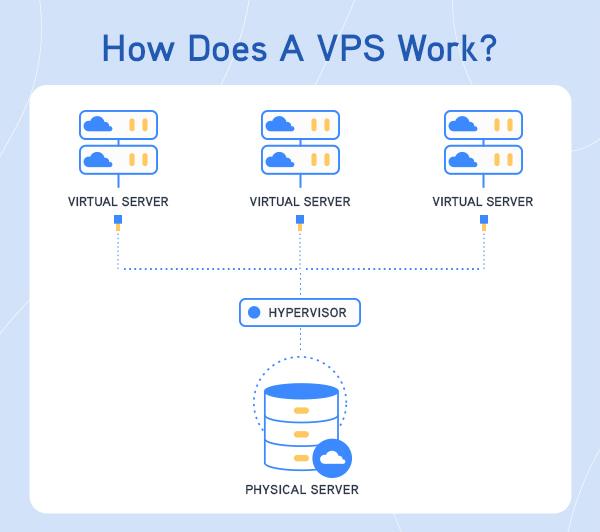
VPS (Virtual Private Server) hosting is a revolutionary solution that bridges the gap between shared hosting and dedicated servers. It leverages virtualization technology to partition a single physical server into multiple isolated environments, known as virtual machines (VMs). Each VM operates independently, allowing users to install their own operating systems, software, and configurations. This autonomy reinforces the notion that VPS hosting grants users a semblance of dedicated resources while sharing the underlying hardware. Some key benefits of this setup include:
- Cost Efficiency: Significantly more affordable than dedicated servers while offering comparable capabilities.
- Scalability: Easily upgrade resources like RAM, CPU, and storage as business needs evolve.
- Enhanced Security: Isolated environments reduce vulnerability to attacks that can compromise shared hosting.
The backbone of VPS hosting lies in virtualization technology, with several approaches available, including KVM, Xen, and OpenVZ. Each method facilitates the creation and management of VMs differently and contributes to the overall performance depending on specific needs. Understanding the strengths and weaknesses of each virtualization type empowers users to make informed decisions. A quick comparison table can provide clarity:
| Virtualization Type | Performance | Isolation | Ideal Use Case |
|---|---|---|---|
| KVM | High | Full isolation | Resource-intensive applications |
| Xen | Medium | Full isolation | Test environments |
| OpenVZ | High | Shared kernel | Web hosting |
Exploring the Benefits of Virtualization in VPS Solutions
Virtualization is at the core of Virtual Private Server (VPS) technology, providing a host of benefits that enhance both performance and flexibility. By enabling multiple virtual environments on a single physical server, businesses can achieve higher resource efficiency and allocate computing power precisely where it’s needed. This leads to significant cost savings while minimizing hardware investments. Additionally, virtualization allows for rapid provisioning and scaling of resources, meaning that companies can respond swiftly to changing demands and growth spurts without experiencing downtime or the hassle of physical server setup.
Moreover, virtualization promotes enhanced security and isolation. Each virtual server operates in its own dedicated environment, which means that potential security breaches or resource demands from one VPS do not affect the performance of others. This isolation is critical for businesses that deal with sensitive data, as it significantly mitigates risks. Furthermore, virtualization facilitates easy backups and disaster recovery plans, allowing for seamless cloning and restoration of virtual servers. Here’s a quick comparison of the advantages of virtualization:
| Advantages | Benefits |
|---|---|
| Resource Efficiency | Maximizes hardware utilization |
| Cost Effectiveness | Reduces physical infrastructure costs |
| Scalability | Adapt quickly to resource needs |
| Security | Isolated environments for better protection |
| Backup & Recovery | Easy to clone and restore systems |
Best Practices for Optimizing Performance and Security in VPS Hosting
To ensure that your Virtual Private Server (VPS) runs smoothly and securely, it’s essential to adopt best practices that bolster both performance and security. Start by regularly updating your operating system and installed software. Keeping your systems updated mitigates vulnerabilities and enhances functionality. Additionally, consider employing a robust security suite that includes firewall protection, antivirus, and intrusion detection systems. Optimizing server performance can also be achieved through the following strategies:
- Resource Allocation: Consistently monitor server resources and adjust allocations as necessary to balance load effectively.
- Content Delivery Networks (CDNs): Utilize CDNs to cache content closer to users, reducing latency and enhancing load times.
- Database Optimization: Regularly clean and optimize databases to improve query speeds and overall responsiveness.
Incorporating security measures is paramount in VPS hosting. Implementing regular backups ensures that you can swiftly recover from data loss or breaches. It’s also advisable to use SSH keys instead of passwords for secure server access. Further, consider restricting access by implementing rules around IP whitelisting. Here’s a concise overview of some security practices:
| Security Practice | Description |
|---|---|
| Regular Backups | Ensures data can be restored after loss. |
| SSH Key Authentication | Replaces passwords for secure login. |
| IP Whitelisting | Restricts access to known IPs only. |
Future Trends in Virtualization Technology and Their Implications for VPS Users
The landscape of virtualization technology is evolving rapidly, and as such, VPS users stand to gain significantly from several emerging trends. One key development is the enhanced adoption of containerization, which allows for greater application efficiency and security. Containers enable developers to package applications with all necessary dependencies, creating portable and consistent environments across various systems. This shift not only optimizes resource usage but also simplifies deployment processes, making it easier for users to scale their applications seamlessly. Additionally, the integration of machine learning and AI algorithms into virtualization platforms heralds a new era, where predictive analytics can manage resources dynamically, further maximizing performance and minimizing downtime.
Another trend reshaping virtualization is the rise of serverless architecture. This approach allows developers to focus on writing code without the complex management associated with traditional server setups. As VPS services increasingly support this model, users can experience instant scalability where applications automatically adjust resources based on demand. Moreover, advancements in hybrid cloud solutions mean VPS users can now leverage both public and private resources, optimizing cost efficiency and flexibility. The synergy of these innovations is paving the way for a more agile, responsive, and user-friendly VPS hosting experience, potentially transforming how businesses operate online.
Insights and Conclusions
the evolution of virtualization technology has undeniably transformed the landscape of VPS hosting, providing users with unparalleled flexibility, scalability, and performance. By understanding the intricacies of VPS solutions and harnessing the power of virtualization, businesses and individuals alike can achieve greater operational efficiency and cost-effectiveness. As the digital landscape continues to evolve, staying informed about these technological advancements will empower you to make the best decisions for your hosting needs.
Whether you’re just starting your journey or looking to optimize your existing infrastructure, VPS hosting offers a robust solution that can adapt to your growing demands. Embrace the future of hosting and unlock the full potential of your virtual environment—it’s time to elevate your online presence to new heights. Thank you for joining us on this exploration of VPS hosting; we look forward to seeing how these technologies continue to shape your digital experience.