
Understanding Hybrid Cloud Hosting: Key Insights You Need
In an era where digital transformation is promoting agility and innovation, organizations are continually searching for solutions that offer the right balance of flexibility, control, and cost-effectiveness. Enter hybrid cloud hosting—a dynamic approach that combines the best of both cloud and on-premises infrastructure. This model allows businesses to enjoy the scalability of public clouds while maintaining the security and performance of private environments. However, navigating the complexities of hybrid cloud solutions can be daunting. In this article, we will demystify hybrid cloud hosting, discussing its key components, advantages, and best practices to help you understand how to leverage this technology for your organization’s unique needs. Whether you are considering a hybrid approach or looking to optimize your current setup, our insights will equip you with the knowledge to make informed decisions in your cloud journey.
Table of Contents
- Understanding the Fundamentals of Hybrid Cloud Hosting
- Exploring the Benefits and Challenges of Hybrid Cloud Solutions
- Best Practices for Implementing a Hybrid Cloud Strategy
- Selecting the Right Providers and Tools for Hybrid Cloud Management
- Key Takeaways
Understanding the Fundamentals of Hybrid Cloud Hosting
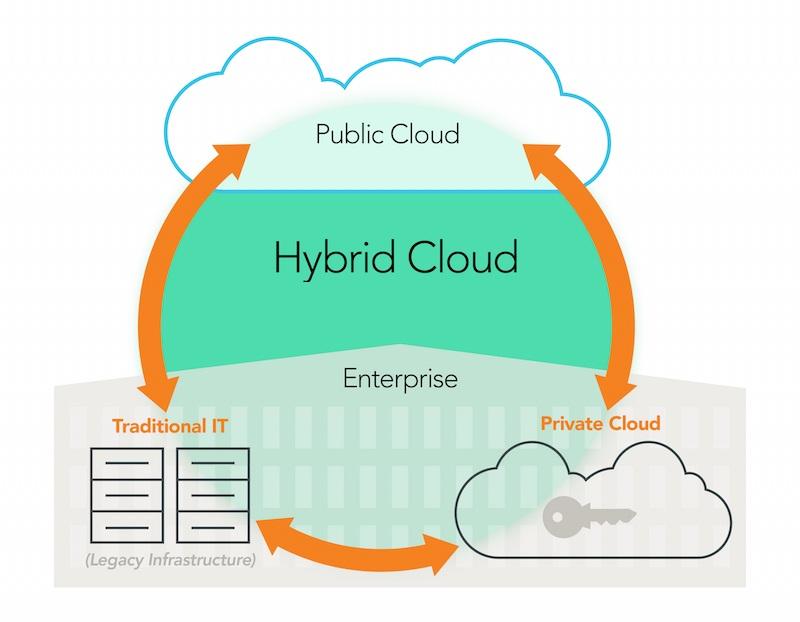
Hybrid cloud hosting represents a fusion of private and public cloud environments, allowing organizations to tailor their IT resources based on specific needs. This model offers a remarkable degree of flexibility and scalability, enabling businesses to manage their workloads across different infrastructures. By leveraging private cloud resources for sensitive data while utilizing public cloud services for less critical applications and storage, companies can optimize their operational efficiency and reduce costs. Moreover, hybrid cloud solutions facilitate seamless data integration and application portability, which fosters innovation and agility in responding to market changes.
When navigating the realm of hybrid cloud hosting, it’s essential to understand the core components involved. Key elements include:
- Data Security: Critical for protecting sensitive information across platforms.
- Cost Management: A balanced approach to leveraging cost-effective public resources while managing private cloud expenses.
- Compliance: Ensuring that all data management practices adhere to relevant regulations.
- Performance Monitoring: Real-time tracking of application performance across multiple environments.
To illustrate these attributes, consider the following table, which summarizes the comparative advantages of hybrid cloud hosting:
| Feature | Hybrid Cloud | Public Cloud | Private Cloud |
|---|---|---|---|
| Cost Efficiency | ✔️ | ✔️ | ❌ |
| Data Control | ✔️ | ❌ | ✔️ |
| Scalability | ✔️ | ✔️ | ❌ |
| Flexibility | ✔️ | ❌ | ✔️ |
Exploring the Benefits and Challenges of Hybrid Cloud Solutions
Hybrid cloud solutions offer a unique blend of flexibility and control, allowing businesses to tailor their IT infrastructure according to specific needs. By leveraging both on-premises and public cloud resources, companies benefit from cost-efficiency and scalability, ensuring they can respond rapidly to changing demands. The ability to separate sensitive data from public environments also enhances security and compliance, making it easier to satisfy regulatory requirements. Key advantages include:
- Enhanced Disaster Recovery: Hybrid clouds often provide better disaster recovery options due to parallel resource availability.
- Resource Optimization: Organizations can allocate workloads according to resource demands, optimizing performance.
- Seamless Scalability: Companies can scale resources up or down seamlessly to respond to peak requirements.
However, the implementation of hybrid cloud solutions is not without its challenges. Integration of on-premises and cloud-based systems can lead to complex architectures that require careful management. Additionally, organizations must navigate issues related to security vulnerabilities and data governance. Companies face difficulties in ensuring that data remains compliant and secure across various environments. The challenges include:
- Complex Management: Managing multiple environments requires advanced tools and expertise.
- Cost Management: Without careful planning, hybrid cloud solutions can result in unplanned expenses.
- Performance Issues: Potential latency and connectivity challenges can impact workload performance.
Best Practices for Implementing a Hybrid Cloud Strategy
Implementing a hybrid cloud strategy requires careful planning and execution to maximize benefits while minimizing risks. Begin with a comprehensive assessment of your current IT environment to understand which applications and workloads are suitable for the cloud. This involves evaluating factors such as security requirements, compliance regulations, and performance metrics. By clearly defining your objectives, you can prioritize workloads for migration and establish a roadmap that aligns with your business goals. Additionally, selecting the right cloud service provider is crucial. Look for providers that offer robust security features, flexible pricing, and strong support to ensure seamless integration between on-premises and cloud environments.
To maintain an effective hybrid cloud strategy, establish clear governance policies that define roles and responsibilities for both IT teams and end-users. This includes outlining data management protocols, security measures, and disaster recovery plans. Frequent training and communication are essential to ensure that everyone understands these policies and how to utilize the hybrid setup effectively. Moreover, monitoring and optimization should be an ongoing process. Use monitoring tools to collect data on performance and cost-efficiency, and regularly review this data to make informed adjustments to your cloud strategy. By fostering a culture of continuous improvement, you can enhance operational agility and drive innovation while leveraging the hybrid cloud’s full potential.
Selecting the Right Providers and Tools for Hybrid Cloud Management
When embarking on the journey of hybrid cloud management, the selection of the right providers and tools can significantly influence your organization’s agility and efficiency. It is essential to consider factors such as service-level agreements (SLAs), cost-effectiveness, and customer support when evaluating potential providers. Collaborating with experienced vendors can simplify integration efforts and ensure that your cloud environments work seamlessly together. Look for providers that offer a robust set of features, including data backup services, security measures, and scalability options to accommodate future growth.
In addition to choosing the right providers, the tools you utilize for cloud management should offer a comprehensive solution for real-time monitoring and analytics. A good hybrid cloud management tool should effectively manage workloads across multiple environments and provide insights that help optimize performance. Engage with platforms that support multi-cloud operations and offer capabilities such as automated deployment, resource orchestration, and cost management dashboards. Here’s a quick overview of some capabilities to consider when selecting tools:
| Capability | Description |
|---|---|
| Multi-Cloud Compatibility | Allows management of workloads across various cloud providers. |
| Automated Deployment | Streamlines application deployment for faster time-to-market. |
| Cost Management | Provides insights into cloud spending to optimize budget. |
| Performance Monitoring | Offers real-time analytics for proactive system management. |
Key Takeaways
hybrid cloud hosting presents a flexible and innovative approach to managing your IT infrastructure, blending the best of both public and private cloud environments. By understanding the key insights we’ve explored in this article, businesses can strategically leverage hybrid cloud solutions to enhance scalability, optimize costs, and improve data security. As technology continues to evolve and the demand for adaptable solutions grows, embracing hybrid cloud hosting may not just be an option—it could be a necessity for staying competitive in today’s fast-paced digital landscape.
Whether you’re a small business looking to scale or a large enterprise aiming for greater efficiency, the insights gained here will equip you with the knowledge to make informed decisions about your cloud strategy. As you embark on your hybrid cloud journey, remember to regularly assess your needs and stay updated with emerging trends to harness the full potential of this powerful hosting model. Thank you for reading, and we hope you find success in your hybrid cloud endeavors!