
Essential Guide to Selecting the Perfect VPS Hosting Plan
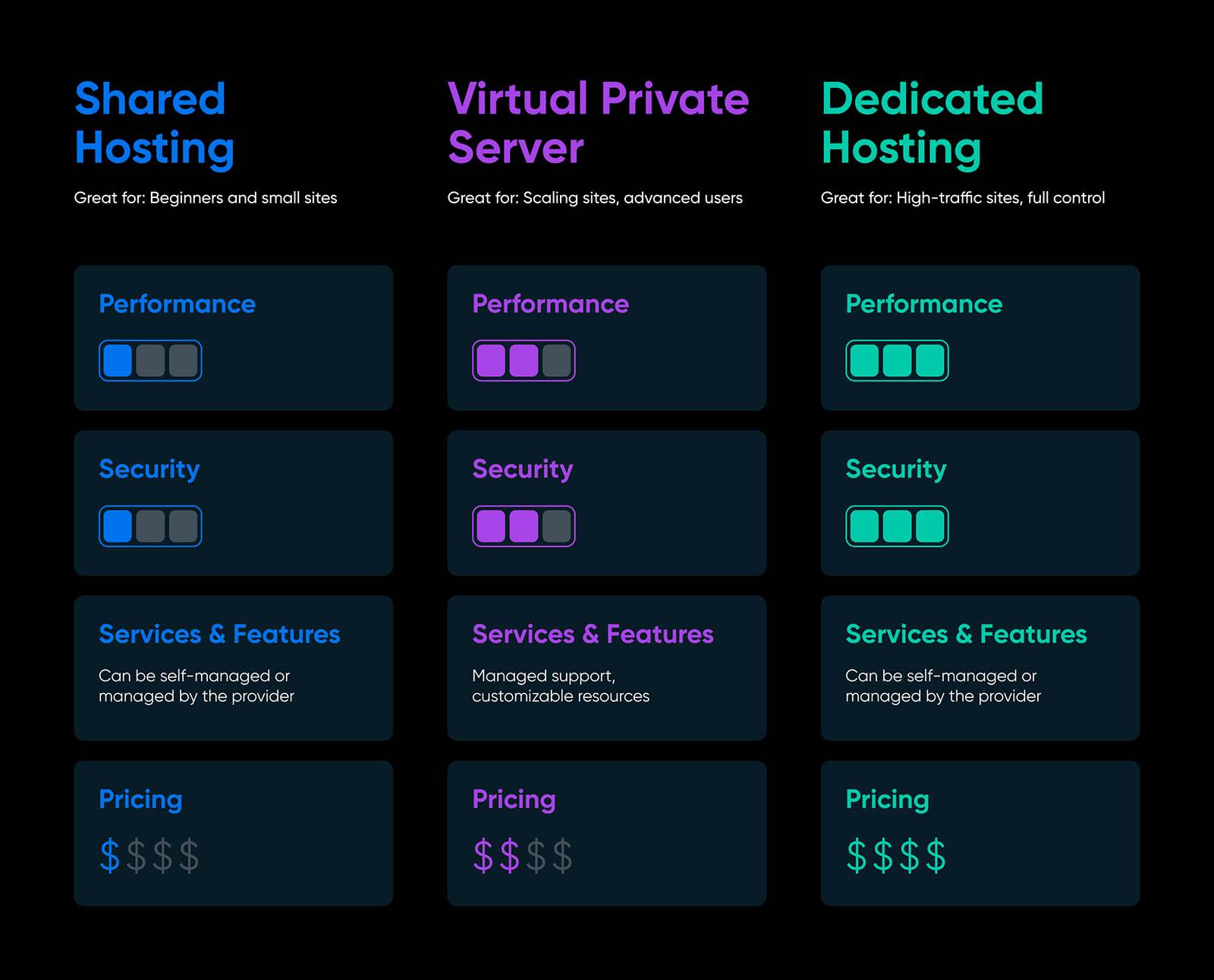
Choosing the right Virtual Private Server (VPS) hosting plan can be a pivotal decision for businesses and individuals looking to establish a robust online presence. With a myriad of options available, each boasting various features and price points, the process can feel overwhelming. Whether you’re launching a new website, managing an application, or handling high-traffic demands, selecting the perfect VPS hosting can directly impact your performance, security, and scalability. In this essential guide, we will explore the key factors to consider when choosing a VPS hosting plan, equipping you with the knowledge needed to make an informed decision that aligns with your specific needs and goals. Join us as we break down the essentials of VPS hosting and help you navigate the path to finding your ideal solution.
Table of Contents
- Understanding VPS Hosting and Its Benefits
- Key Features to Consider When Choosing a VPS Plan
- Comparing Managed vs. Unmanaged VPS Hosting Options
- Budgeting for Your VPS Hosting: Finding the Right Balance
- In Retrospect
Understanding VPS Hosting and Its Benefits
VPS hosting, or Virtual Private Server hosting, provides a versatile and cost-effective solution for businesses and individuals seeking more control and performance than shared hosting can offer. By partitioning a single physical server into multiple virtual servers, users gain access to dedicated resources such as CPU, RAM, and storage. This setup not only improves the performance and speed of websites or applications but also enhances security, as each virtual server operates independently. As your website grows, a VPS hosting plan allows for easy scalability without the need to undergo drastic changes or migrations, ensuring smooth transitions during traffic spikes.
Some key advantages of choosing VPS hosting include:
- Cost-Effectiveness: Less expensive than dedicated hosting while providing similar benefits.
- Customizability: Users can install any software and modify server settings according to their specific requirements.
- Isolation: Enhanced security and stability from other users on the same physical server.
- Resource Control: Dedicated resources ensure consistent performance, even during peak usage times.
| Feature | VPS Hosting | Shared Hosting |
|---|---|---|
| Resource Allocation | Dedicated resources | Shared resources |
| Security | High | Moderate |
| Customization | Full access | Limited |
| Scalability | Easy to scale | Challenging |
Key Features to Consider When Choosing a VPS Plan
When selecting a VPS plan, it’s crucial to assess the resources your project will demand. Key specifications include CPU cores, RAM, and disk space. A robust CPU ensures optimal processing power, while adequate RAM enables seamless multitasking. Disk space should not only accommodate your current needs but also allow for future growth. Additionally, consider whether the storage type meets your requirements; SSDs provide faster data access compared to traditional HDDs, enhancing performance for database-heavy applications.
Another important aspect is the level of management offered. Depending on your expertise and time commitment, you can choose between a managed or unmanaged VPS. Managed solutions typically include system monitoring, security updates, and technical support, making them ideal for those who prefer hands-off management. Conversely, unmanaged options give you full control, allowing for custom configurations suited to your specific needs, albeit requiring more technical knowledge.
Moreover, evaluate the support channels provided by the hosting provider, ensuring they offer reliable assistance through live chat, email, or phone, so you can resolve potential issues quickly.
Comparing Managed vs. Unmanaged VPS Hosting Options
When choosing between managed and unmanaged VPS hosting options, it’s essential to weigh the pros and cons of each to match them with your specific needs. Managed VPS hosting typically provides a higher level of service, including automated backups, software updates, and 24/7 technical support. This option is ideal for businesses or individuals who prefer to focus on their core activities without worrying about server management. Key benefits include:
- Time-saving management: The provider handles updates and maintenance.
- Increased security: Experts monitor the server for vulnerabilities.
- Optimized performance: Regular performance tuning is provided.
On the flip side, unmanaged VPS hosting offers users greater control and flexibility at a potentially lower cost. It’s perfect for those with technical expertise who want to customize their server environment. However, this option can be time-consuming and may require a steep learning curve if you’re not already familiar with server management. Consider these aspects when evaluating unmanaged VPS options:
- Full control: You decide when and how to implement changes.
- Cost-effectiveness: Generally more affordable without the extra services.
- Learning opportunity: A chance to improve your technical skills.
| Feature | Managed VPS | Unmanaged VPS |
|---|---|---|
| Technical support | 24/7 | Limited |
| Maintenance | Provider-managed | User-managed |
| Customization | Limited | High |
| Cost | Higher | Lower |
Budgeting for Your VPS Hosting: Finding the Right Balance
Choosing a VPS hosting plan involves more than just picking the most affordable option; it’s about finding the right balance between cost and performance. When setting your budget, consider key factors that will affect your hosting experience and overall website performance:
- Resource Allocation: Assess how much CPU, RAM, and storage you need based on your website’s requirements.
- Scalability: Look for VPS providers that allow you to scale your resources easily as your needs grow.
- Support and Maintenance: Factor in the level of technical support provided, as this can save you time and money in the long run.
- Management Type: Determine if you need managed or unmanaged VPS solutions, as this impacts the price and the degree of control you have.
To give you a clearer picture of potential costs, here’s a simple comparison table showing typical pricing structures for different VPS plans:
| Plan Type | Monthly Cost | RAM | Storage | Support Level |
|---|---|---|---|---|
| Basic | $20 | 2 GB | 30 GB SSD | Community Support |
| Standard | $40 | 4 GB | 60 GB SSD | Email & Chat Support |
| Premium | $80 | 8 GB | 120 GB SSD | 24/7 Full Support |
By weighing these factors against your budget, you can effectively choose a VPS hosting plan that meets both your financial constraints and technical requirements, ensuring a smooth and efficient web presence from the start.
In Retrospect
selecting the perfect VPS hosting plan can significantly impact your website’s performance, security, and overall success. By understanding the key features, evaluating your specific needs, and comparing different providers, you can make an informed decision that aligns with your business goals. Remember, the ideal VPS plan isn’t solely about the price—it’s about finding a balance between performance, reliability, and support that fits your requirements.
As you embark on this journey to elevate your online presence, take the time to assess your options thoroughly. A well-chosen VPS hosting plan will not only empower your website but also provide the flexibility and scalability you need to adapt to future growth.
Thank you for exploring this essential guide with us! We hope the insights provided will serve as a valuable resource in your search for the right VPS solution. Happy hosting!