
Maximizing Efficiency: Cloud Hosting for Enterprise Applications
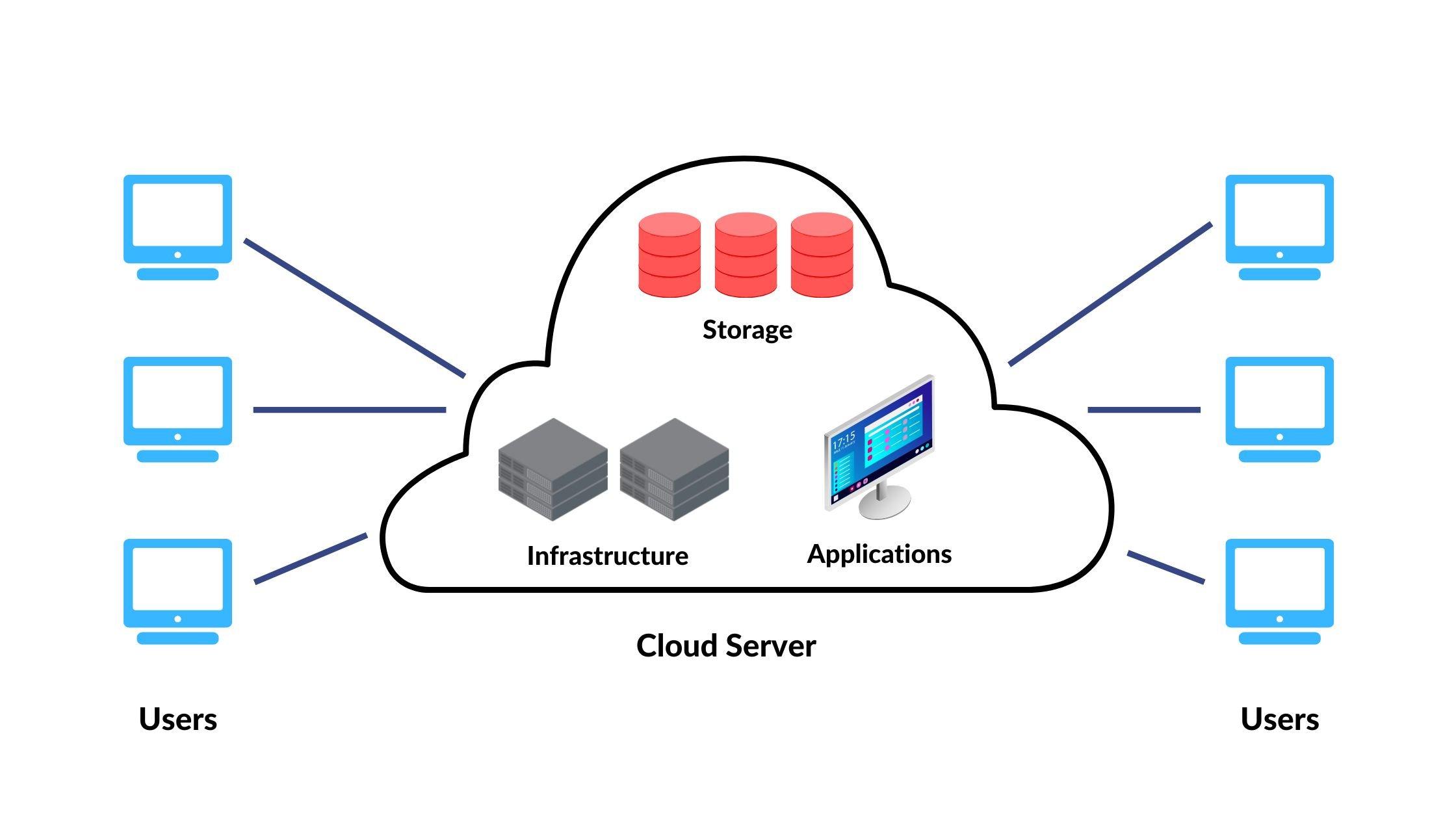
In today’s fast-paced digital landscape, businesses are under constant pressure to enhance performance and streamline operations. As enterprise applications become increasingly complex and data-driven, the need for reliable infrastructure becomes paramount. Enter cloud hosting—a game changer for organizations seeking to maximize efficiency and scalability. In this article, we will explore the transformative power of cloud hosting for enterprise applications, examining how it not only optimizes resource allocation but also fosters innovation by providing unparalleled flexibility. Join us as we delve into the key advantages of adopting cloud solutions for your enterprise needs and uncover strategies to unlock the full potential of your applications in the cloud. Whether you’re a seasoned IT professional or a business leader looking to drive change, this comprehensive guide will equip you with insights to navigate the cloud revolution with confidence.
Table of Contents
- Understanding the Benefits of Cloud Hosting for Enterprise Applications
- Key Features to Look for in a Cloud Hosting Solution
- Strategies for Seamless Migration to Cloud Infrastructure
- Optimizing Performance and Security in Cloud-hosted Enterprise Applications
- The Way Forward
Understanding the Benefits of Cloud Hosting for Enterprise Applications
Cloud hosting provides enterprises with a dynamic solution that not only enhances operational efficiency but also reduces overall IT costs. By leveraging the cloud, businesses can scale resources according to their needs without extensive upfront investments in hardware. This flexibility allows for a more agile approach to managing enterprise applications, enabling organizations to respond quickly to changing market conditions and internal demands. Some notable benefits include:
- Cost Efficiency: Minimized capital expenses through pay-as-you-go models.
- Accessibility: Anytime, anywhere access to applications for remote teams.
- Collaboration: Enhanced teamwork with real-time updates and shared access.
Moreover, cloud hosting enhances security and data integrity, crucial for enterprise operations. Providers typically offer advanced security measures, including encryption and regular backups, ensuring that sensitive data remains protected against cyber threats. Additionally, the deployment of enterprise applications in the cloud often includes automated updates and compliance management, allowing businesses to focus on growth rather than IT maintenance. Below is a comparison of various security features offered by leading cloud hosting providers:
| Provider | Data Encryption | Regular Backups | Compliance Certifications |
|---|---|---|---|
| Provider A | Yes | Daily | ISO 27001, GDPR |
| Provider B | Yes | Weekly | HIPAA, PCI-DSS |
| Provider C | Yes | Real-time | SOX, FERPA |
Key Features to Look for in a Cloud Hosting Solution
When searching for an optimal cloud hosting solution tailored for enterprise applications, several key features can significantly impact performance, security, and overall efficiency. Scalability is paramount; the ability to adjust resources seamlessly in response to fluctuating demand ensures that your applications operate smoothly during peak loads. Performance enhancements, such as low latency and high-speed connectivity, are crucial for maintaining operational efficiency, especially for applications with real-time data processing needs. Additionally, robust security protocols must be in place, including encryption, firewalls, and compliance with industry standards to safeguard sensitive data from breaches.
Another important aspect is reliability; evaluating the service level agreements (SLAs) for uptime guarantees helps in choosing a provider that can ensure minimal downtime. Backup and disaster recovery options are essential to protect against data loss; therefore, a solution that offers automated backups and quick recovery processes can prevent significant disruptions. Furthermore, support and management tools, such as integrated monitoring and analytics features, empower organizations to maintain better oversight of their cloud environment. Considering these attributes can help enterprises maximize their cloud hosting effectiveness, enabling them to focus on innovation and growth.
Strategies for Seamless Migration to Cloud Infrastructure
When transitioning to cloud infrastructure, ensuring a structured approach can mitigate risks and enhance efficiency. Begin by conducting a comprehensive assessment of your existing applications and infrastructure to identify what can be migrated, what requires reconfiguration, and what should remain on-premises. This assessment should also include an analysis of the financial implications, helping to align the migration strategy with business objectives. Key steps to consider include:
- Prioritizing workloads based on complexity and criticality.
- Implementing a phased migration approach to minimize disruption.
- Utilizing containers and microservices for better scalability.
- Training teams on cloud tools and practices.
Additionally, effective communication and collaboration among stakeholders can significantly streamline the migration process. Engaging teams early ensures everyone understands the goals and benefits of the cloud transition. Consider the following methods for fostering collaboration:
| Method | Benefits |
|---|---|
| Regular Workshops | Builds skills and addresses concerns. |
| Collaborative Tools | Enhances communication and tracking. |
| Feedback Sessions | Encourages continuous improvement. |
Optimizing Performance and Security in Cloud-hosted Enterprise Applications
To ensure seamless performance in cloud-hosted enterprise applications, it is essential to implement a multi-faceted strategy that prioritizes both speed and reliability. Here are some critical practices to consider:
- Load Balancing: Distribute application traffic across multiple servers to prevent bottlenecks.
- CDN Integration: Utilize Content Delivery Networks to accelerate content delivery and reduce latency.
- Autoscaling: Leverage cloud services that automatically adjust resources in response to fluctuating traffic demands.
- Performance Monitoring: Regularly analyze application performance metrics to identify and resolve potential issues proactively.
Security is equally vital, especially in a cloud environment where vulnerabilities can lead to significant risks. Implementing robust security protocols can bolster your application’s defenses:
- Data Encryption: Encrypt sensitive data both at rest and in transit to safeguard it from unauthorized access.
- Access Controls: Enforce strict user authentication and role-based access controls to minimize internal threats.
- Regular Audits: Conduct security audits frequently to identify vulnerabilities and adopt necessary remedial measures.
- Compliance Standards: Adhere to relevant regulations and frameworks, such as GDPR or HIPAA, to ensure legal security and trust.
| Feature | Benefit |
|---|---|
| Load Balancing | Enhances application reliability |
| CDN Integration | Reduces latency |
| Data Encryption | Protects sensitive information |
| Regular Audits | Uncovers potential vulnerabilities |
The Way Forward
embracing cloud hosting for enterprise applications is not just a trend; it’s a strategic move that can significantly enhance operational efficiency and drive business success. By leveraging the scalability, flexibility, and cost-effectiveness of cloud solutions, enterprises can streamline their processes, improve collaboration, and respond swiftly to market demands.
As we’ve discussed, the key to maximizing efficiency lies in selecting the right cloud provider and adopting best practices for integration and management. Whether you’re a small startup looking to scale or an established corporation seeking to optimize your IT infrastructure, cloud hosting offers unparalleled opportunities to transform your operations.
Evoking a future where your business can innovate and grow without the limitations of traditional hosting, it’s time to evaluate your current setup and consider the numerous benefits cloud hosting has to offer. Remember, in the rapidly evolving digital landscape, staying ahead means adapting and optimizing your resources to better serve your enterprise goals.
Thank you for reading! We hope this article has provided valuable insights to help you navigate the exciting journey of cloud hosting. If you have any questions or would like to share your experiences, feel free to leave a comment below or reach out to us directly. Here’s to a more efficient, productive future for your enterprise!