
VPS Hosting vs. Shared Hosting: Understanding Key Differences
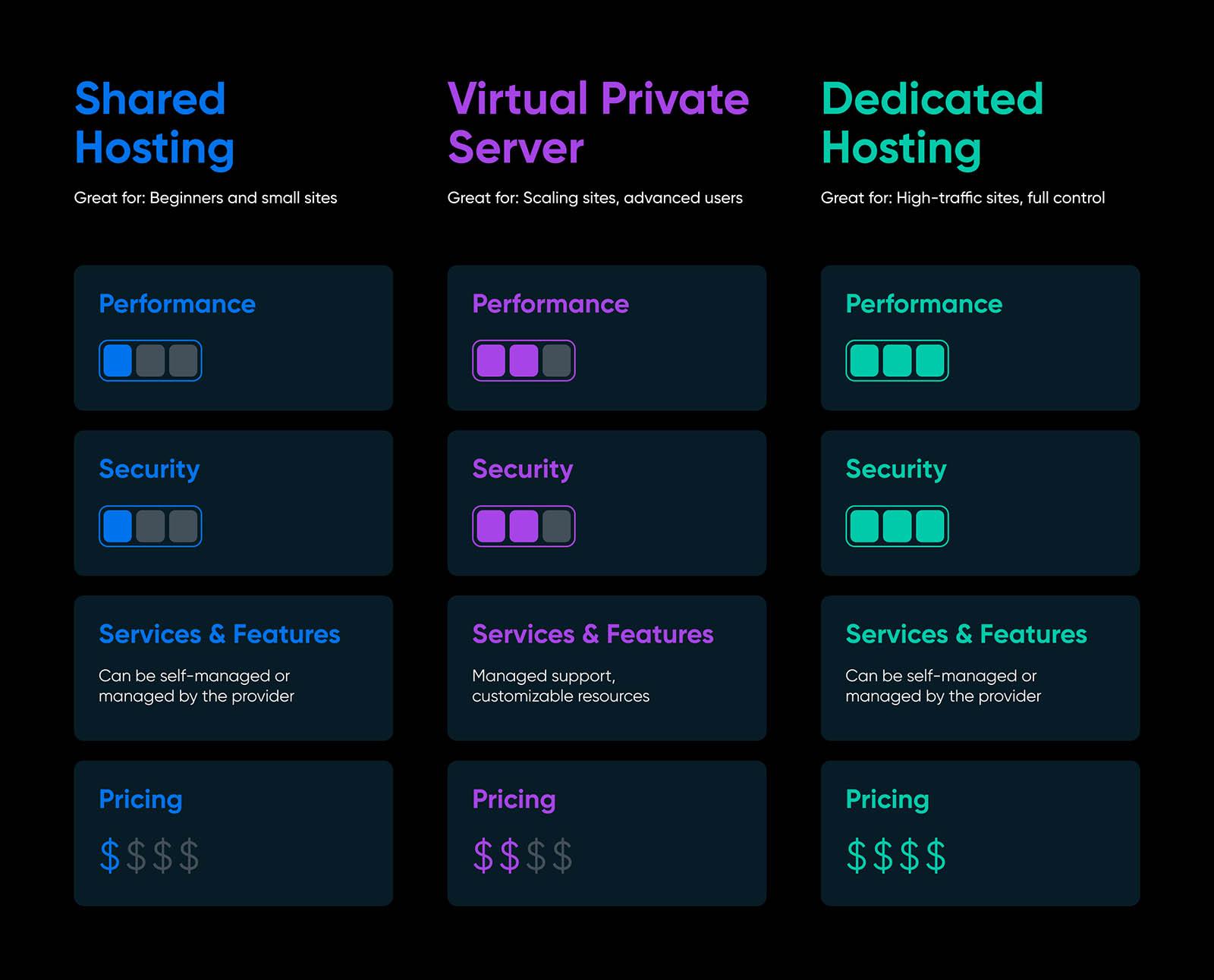
When it comes to selecting the right hosting solution for your website, the choices can be overwhelming. Among the most common options are VPS (Virtual Private Server) hosting and shared hosting, each catering to different needs and levels of technical expertise. Understanding the key differences between these two hosting types is essential for making an informed decision that aligns with your business goals and anticipated traffic. In this article, we will break down the fundamental distinctions between VPS and shared hosting, exploring their benefits and drawbacks to help you determine which option is the best fit for your website’s unique requirements. Whether you are a small business owner, a developer, or an entrepreneur, grasping these hosting fundamentals can empower you to choose wisely and set your online presence up for success.
Table of Contents
- Understanding the Basics of VPS Hosting and Shared Hosting
- Performance and Scalability: Choosing the Right Solution for Your Needs
- Cost Analysis: What You Get for Your Investment
- Security and Control: Navigating Your Options for Peace of Mind
- To Conclude
Understanding the Basics of VPS Hosting and Shared Hosting
When diving into the world of web hosting, it’s crucial to grasp the distinctions between VPS (Virtual Private Server) hosting and shared hosting. In shared hosting, multiple users share the same server resources, which often leads to lower performance and potential downtime if one site experiences high traffic. While this option is budget-friendly and suitable for simple websites, it can be limiting for those aiming for growth. Conversely, VPS hosting allocates dedicated resources to each user within a virtual environment. This means enhanced stability, improved speed, and increased security, making it a more robust choice for businesses and individuals looking for scalability.
Here are some key characteristics that set these two hosting types apart:
- Resource Allocation: Shared hosting splits resources among users, while VPS provides dedicated resources.
- Performance: VPS typically offers higher performance and faster loading times compared to shared hosting.
- Customization: VPS allows for greater customization of software and server settings, whereas shared hosting has limited options.
- Security: With VPS, security measures are generally more thorough, offering isolation from other sites.
| Feature | Shared Hosting | VPS Hosting |
|---|---|---|
| Cost | Affordable | Moderately priced |
| Performance | Variable | Consistent |
| Resource Control | Limited | Full Control |
| Ideal For | Small websites | Growing businesses |
Performance and Scalability: Choosing the Right Solution for Your Needs
When evaluating VPS hosting and shared hosting, it’s essential to consider how each option performs under load and scaled usage. VPS hosting provides dedicated resources, ensuring that performance remains consistent even when demand spikes. This feature is crucial for businesses or applications with fluctuating traffic. In contrast, shared hosting allocates resources among multiple users, which can lead to slower response times or downtime during peak usage if other sites on the server experience their own surges in traffic.
To make an informed decision, assess the specific needs of your website or application. Here are some key factors to evaluate:
- Traffic Volume: Consider whether your site anticipates high or low visitor numbers.
- Resource Requirements: Analyze the amount of CPU, memory, and storage your applications will need.
- Growth Potential: Determine if you expect your resource needs to increase over time.
| Feature | VPS Hosting | Shared Hosting |
|---|---|---|
| Resource Allocation | Dedicated resources | Shared resources |
| Performance | Stable and scalable | Variable performance |
| Cost | Higher cost | Cost-effective |
Cost Analysis: What You Get for Your Investment
When considering the most suitable hosting option for your needs, it’s essential to look at what you receive for your investment. With VPS hosting, you’re not just paying for disk space and bandwidth; you’re investing in a more robust infrastructure that often includes dedicated resources and enhanced security features. This means you get:
- Guaranteed Resources: Unlike shared hosting, where resources are shared among multiple sites, VPS gives you allocated CPU, RAM, and storage.
- Increased Performance: Expect faster page load times and higher reliability due to dedicated resources.
- Better Security: The isolated environment decreases the risk of cross-site attacks common in shared hosting scenarios.
On the other hand, shared hosting appears promising due to its lower cost but could potentially lead to hidden costs down the line, such as decreased performance or downtime during peak traffic. Here’s a quick comparison to help visualize what you might miss out on:
| Feature | Shared Hosting | VPS Hosting |
|---|---|---|
| Cost | Low | Moderate to High |
| Resource Allocation | Shared | Dedicated |
| User Control | Limited | High |
| Scalability | Low | High |
Security and Control: Navigating Your Options for Peace of Mind
When it comes to security and control, VPS hosting offers a substantial advantage over shared hosting. With VPS, you operate in an isolated environment that mimics a dedicated server, providing you with dedicated resources and enhanced security protocols. This means you have the ability to configure security settings and firewalls that are tailored to your specific needs. In contrast, shared hosting environments are more vulnerable, as multiple users share the same server resources. If one account is compromised, it may jeopardize the security of others on the same server.
Moreover, VPS hosting allows you to implement advanced security measures that could include:
- Custom Firewall Rules: Tailor your protection plan to fit your exact requirements.
- Regular Backups: Automate backup processes to ensure data integrity.
- Access Controls: Manage user permissions and restrict access to sensitive areas.
On the other hand, shared hosting often limits your ability to control these security features. As evidenced in the table below, the differences in user control and security are significant:
| Feature | VPS Hosting | Shared Hosting |
|---|---|---|
| Isolation of Resources | Yes | No |
| Custom Security Configurations | Full Control | Limited Options |
| Dedicated IP Address | Yes | No |
| Scalability | High | Low |
Ultimately, the choice between VPS and shared hosting will significantly affect your organization’s ability to maintain a secure online presence. Understanding these key differences can help you navigate your options and choose the best hosting solution for your needs.
To Conclude
choosing between VPS hosting and shared hosting ultimately depends on your specific needs, budget, and future growth plans. While shared hosting offers an affordable entry point for small websites and beginners, VPS hosting provides enhanced performance, greater control, and improved security for businesses that require more robust resources. As your online presence evolves, understanding these key differences will empower you to make informed decisions that best suit your objectives.
Whether you’re just launching your first blog or scaling an established e-commerce platform, both options have their unique advantages. By assessing your current requirements and anticipating future demands, you can select a hosting solution that not only supports your goals but also enhances your overall user experience.
We hope this article has shed light on the critical factors to consider in your hosting journey. Remember, the right choice can set the stage for your website’s success, so take the time to evaluate your options carefully. If you have any questions or need further guidance, feel free to reach out or explore our other resources for additional insights. Happy hosting!