
Essential Guide to Hybrid Cloud Hosting: Key Insights You Need
Introduction to the
In an increasingly digital world, businesses are constantly seeking ways to optimize their operations, enhance performance, and ensure data security. Enter hybrid cloud hosting—a solution that combines the best of both public and private cloud environments, delivering flexibility, scalability, and control. But what exactly does hybrid cloud hosting entail, and how can it benefit your organization? In this essential guide, we’ll delve into the core components of hybrid cloud hosting, explore the compelling advantages it offers, and share key insights to help you navigate this dynamic landscape. Whether you’re a seasoned IT professional or just beginning your cloud journey, this article will equip you with the knowledge you need to make informed decisions, streamline your IT strategy, and harness the full potential of hybrid cloud solutions. Join us as we demystify hybrid cloud hosting and provide you with the essential tools to thrive in today’s competitive market.
Table of Contents
- Understanding Hybrid Cloud Hosting and Its Benefits
- Identifying the Right Hybrid Cloud Model for Your Business
- Best Practices for Implementation and Migration Strategies
- Ensuring Security and Compliance in a Hybrid Cloud Environment
- Key Takeaways
Understanding Hybrid Cloud Hosting and Its Benefits
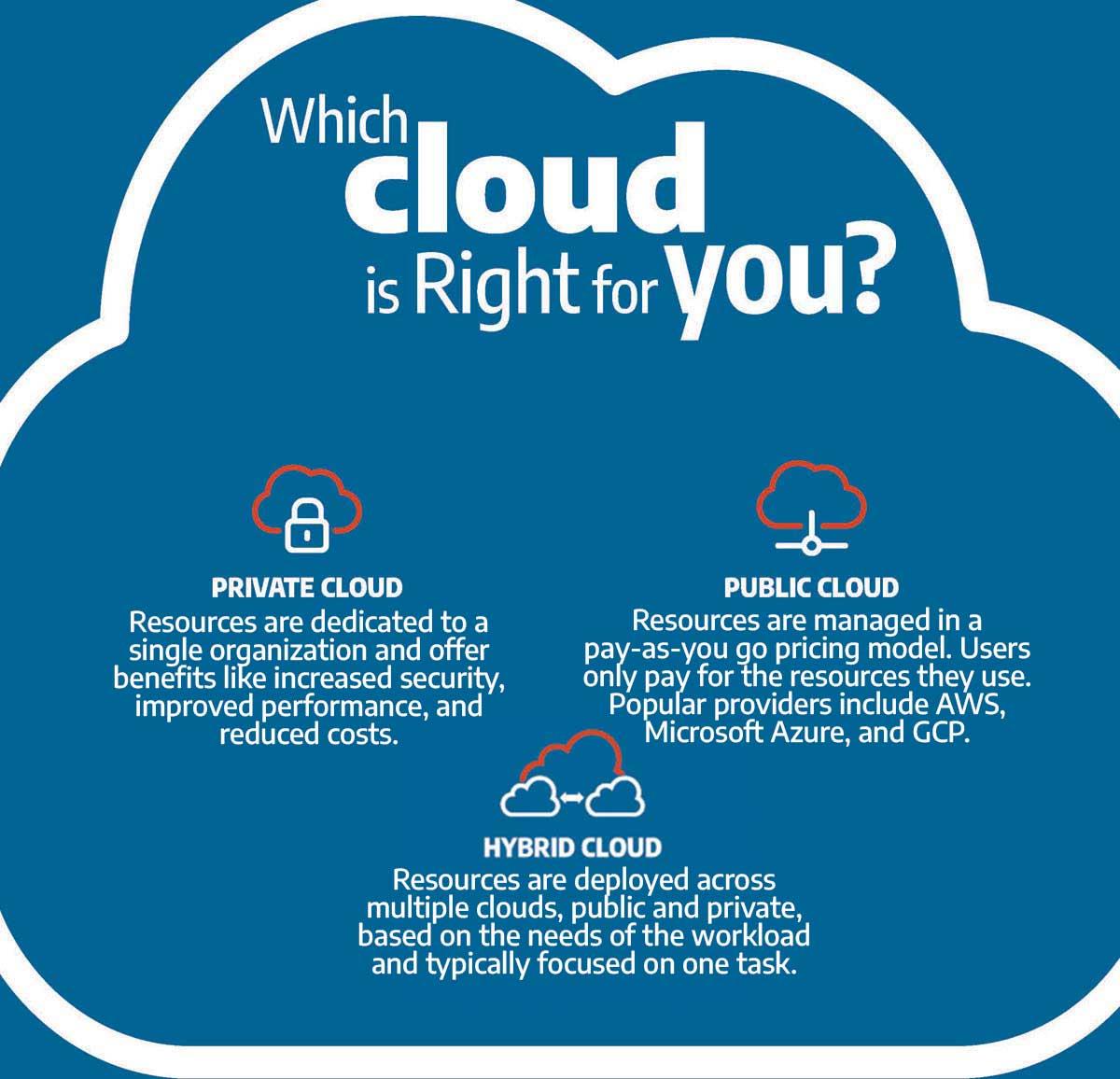
Hybrid cloud hosting combines the best of both worlds by integrating public and private cloud environments, allowing businesses to operate more flexibly and efficiently. This approach enables organizations to store sensitive data on a secure private cloud while utilizing public cloud resources for less critical applications. The result is a tailored solution that can dynamically adapt to varying workload demands without compromising on security or performance. Some key features of hybrid cloud hosting include:
- Scalability: Easily expand resources based on changing needs.
- Cost Efficiency: Optimize expenses by balancing public and private cloud usage.
- Enhanced Security: Protect sensitive data with private cloud solutions while leveraging public cloud agility.
One of the most significant advantages of hybrid cloud hosting lies in its ability to provide businesses with greater agility and innovation. By allowing for seamless data transfer and communication between public and private infrastructures, organizations can capitalize on new technologies and applications more quickly than ever before. Moreover, this flexibility fosters collaboration across teams and can lead to improved productivity. The undeniable benefits are further highlighted in the table below:
| Benefits | Description |
|---|---|
| Flexibility | Customize cloud workloads to fit unique business needs. |
| Disaster Recovery | Quick recovery from data loss with multiple backup options. |
| Regulatory Compliance | Easily comply with industry regulations through secure private solutions. |
Identifying the Right Hybrid Cloud Model for Your Business
Choosing the appropriate hybrid cloud model for your business is crucial for optimizing performance and ensuring scalability. Begin by assessing your specific needs and existing infrastructure. Key considerations include your data sensitivity, regulatory requirements, and the workloads you plan to run. A well-defined strategy can help you determine whether a cloud-bursting model, where you extend your on-premises infrastructure into a public cloud during peak demands, or a perpetual hybrid approach with constant integration across environments better suits your operations.
To effectively pinpoint the right model, consider the following factors:
- Compliance: Identify regulations affecting your data and whether they permit cloud storage.
- Workload Characteristics: Evaluate which applications are best suited for the cloud and which should remain on-premises.
- Cost Efficiency: Analyze the financial implications of data movement between public and private clouds.
- Security Concerns: Ensure that your chosen model offers robust security features, especially for sensitive data.
| Hybrid Cloud Model | Description | Best For |
|---|---|---|
| Cloud Bursting | Extends on-premises capacity to the public cloud | Seasonal workloads with sudden spikes |
| Multicloud Combination | Integration of multiple public clouds and private cloud | Diverse applications requiring specialized cloud services |
| On-Premises Private Cloud | Dedicated private resources with cloud technologies | High compliance and security-sensitive industries |
Best Practices for Implementation and Migration Strategies
Successfully implementing and migrating to a hybrid cloud environment requires a well-thought-out strategy that aligns with your organization’s goals. Assess your current infrastructure thoroughly to identify compatibility and dependencies with existing applications and services. Create a comprehensive roadmap that includes key milestones and timelines to ensure smooth transitions. Collaborate with stakeholders across departments to gather insights that can inform the migration process and address any concerns. Here are some best practices to consider:
- Develop a clear migration plan: Outline objectives, timelines, and responsibilities.
- Use automation tools: Automate repetitive tasks to reduce errors and save time.
- Train your team: Ensure that your IT staff is equipped with the necessary skills to manage the hybrid cloud environment.
- Establish governance protocols: Implement policies to ensure data security and compliance.
Testing is critical to validate that everything operates seamlessly post-migration. Deploy a phased approach to monitor performance and scalability as each component shifts to the hybrid environment. Maintain documentation throughout the process to facilitate troubleshooting and future upgrades. Consider creating a feedback loop with users to further refine processes and enhance user experience. Below is a simple comparison of various testing strategies that can be beneficial during the migration:
| Testing Strategy | Description | Outcome |
|---|---|---|
| Unit Testing | Tests individual components for correct functionality. | Ensures each piece works as intended. |
| Integration Testing | Evaluates how different components work together. | Identifies interaction flaws between systems. |
| User Acceptance Testing | Real-world testing by end-users. | Confirms readiness for production deployment. |
Ensuring Security and Compliance in a Hybrid Cloud Environment
In a hybrid cloud environment, ensuring security and compliance is vital for protecting sensitive data and maintaining trust. Companies must adopt a multi-layered approach to security, which involves implementing robust encryption protocols, employing strong identity and access management solutions, and constantly monitoring the network for vulnerabilities. It’s essential to ensure that both on-premises and cloud resources adhere to industry standards and regulations. Key practices include:
- Regular audits: Conduct periodic assessments of both cloud and on-prem environments.
- Data classification: Identify and categorize sensitive data to apply appropriate security measures.
- Policy enforcement: Utilize automated tools to enforce compliance policies across all environments.
Collaboration between IT and compliance teams is also critical to navigate the complexities of hybrid cloud setups. Establishing a clear governance framework can guide organizations in making informed decisions about cloud service providers and data residency requirements. To facilitate this, consider benchmarking your hybrid cloud security posture against leading frameworks:
| Framework | Description |
|---|---|
| NIST Cybersecurity Framework | A framework for improving critical infrastructure cybersecurity. |
| ISO/IEC 27001 | International standard for managing information security. |
| GDPR | Regulation for data protection and privacy within the EU. |
Key Takeaways
navigating the world of hybrid cloud hosting can be complex, but with the right insights, you can harness its full potential for your organization. By understanding the balance between on-premises infrastructure and cloud solutions, you can tailor a strategy that meets your specific needs while maximizing flexibility, cost-effectiveness, and scalability. Embracing hybrid cloud hosting not only positions your business for growth but also empowers you to respond swiftly to changing demands in today’s digital landscape.
As you consider your cloud strategy, remember to evaluate your organizational goals, compliance requirements, and the critical workloads that will benefit from a hybrid approach. With the right planning and execution, hybrid cloud hosting can streamline operations and drive innovation, making it an essential component of modern IT infrastructures.
We hope this guide has provided you with the key insights necessary to make informed decisions for your hybrid cloud journey. For further exploration of this dynamic topic, stay tuned for our upcoming articles, and don’t hesitate to reach out with any questions. Here’s to your successful transition into the future of hosting!