
Shared Hosting vs. Cloud Hosting: Which Is Right for You?
When it comes to establishing an online presence, one of the first critical decisions you’ll face is choosing the right hosting solution for your website. With a plethora of options available, two popular choices often come to the forefront: shared hosting and cloud hosting. Each hosting type offers distinct advantages and unique considerations, making it essential for website owners—whether they’re bloggers, small businesses, or e-commerce sites—to understand their specific needs and goals before making a commitment. In this article, we’ll delve into the key differences between shared hosting and cloud hosting, helping you navigate the decision-making process and ultimately find the perfect fit for your online venture. Whether you prioritize affordability, scalability, or performance, we’ll provide insights to guide you toward a solution that aligns with your objectives. Let’s explore the world of hosting and determine which option is right for you.
Table of Contents
- Understanding the Basics of Shared Hosting and Cloud Hosting
- Key Differences That Matter for Your Website
- Scalability and Performance: Which Hosting Solution Wins?
- Choosing the Right Hosting for Your Business Needs
- Concluding Remarks
Understanding the Basics of Shared Hosting and Cloud Hosting
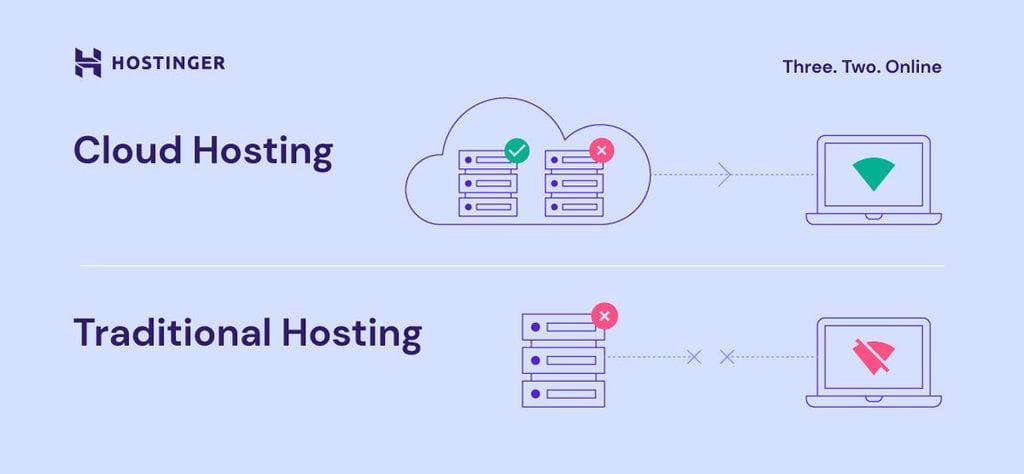
When it comes to choosing a hosting solution, understanding the differences between shared hosting and cloud hosting is crucial. Shared hosting is a more traditional approach where multiple websites share a single server’s resources. This type of hosting is often seen as a cost-effective solution for beginners and small businesses due to its lower price point. However, the limitations can include:
- Limited bandwidth and storage
- Reduced performance during high traffic
- Less control over server configurations
On the other hand, cloud hosting leverages multiple servers, creating a network that provides better scalability, reliability, and resource allocation. It can handle traffic spikes more efficiently and offers enhanced flexibility. Key benefits of cloud hosting include:
- Pay-as-you-go pricing models
- High levels of uptime
- Greater control and customization options
To better visualize the differences, consider the following comparison table that highlights the essential features of each hosting type:
| Feature | Shared Hosting | Cloud Hosting |
|---|---|---|
| Cost | Low | Variable (based on usage) |
| Performance | Can be inconsistent | Scalable and reliable |
| Security | Shared security risks | More robust security measures |
| Ease of Use | User-friendly interfaces | Requires more technical knowledge |
Key Differences That Matter for Your Website
When it comes to performance, shared hosting and cloud hosting exhibit distinct characteristics that can significantly impact your website. In shared hosting, your site shares server resources with multiple websites, which can lead to slower loading times, especially during traffic spikes. On the other hand, cloud hosting utilizes a network of interconnected servers to distribute resources, ensuring that your site remains responsive even under heavy load. This scalability allows for seamless resource allocation based on demand, providing a more reliable performance for high-traffic websites.
Another crucial area of difference lies in cost-effectiveness and security. Shared hosting tends to be more budget-friendly, making it an attractive option for small businesses and personal blogs. However, the higher risk of security breaches, due to resource sharing with potentially vulnerable sites, can be a concern. In contrast, cloud hosting typically comes with a higher price point but offers enhanced security measures and backup solutions that can protect your sensitive data. Organizations prioritizing security and scalability may find cloud hosting a worthy investment in the long run.
Scalability and Performance: Which Hosting Solution Wins?
When evaluating hosting options, scalability and performance are paramount factors that can significantly impact your website’s growth and user experience. Shared hosting often imposes resource limitations as multiple users share the same server environment. This setup can lead to slower load times and downtimes, especially during peak traffic periods. Consequently, if your website experiences sudden growth or seasonal spikes, you might find your shared hosting plan unable to accommodate the influx, which can frustrate visitors and lead to lost revenue.
In contrast, cloud hosting provides an inherently scalable environment. Utilizing a network of servers, it can automatically allocate resources like CPU, memory, and bandwidth based on real-time demand. Consequently, your website can seamlessly accommodate surges in traffic without a hitch. Here’s a quick comparison of scalability and performance attributes of both hosting types:
| Feature | Shared Hosting | Cloud Hosting |
|---|---|---|
| Scalability | Limited, requires manual upgrade | Dynamic, auto-scaling capabilities |
| Performance | Variable, affected by other users | Consistent, optimized for demand |
| Cost Efficiency | Lower initial costs | Pay-as-you-go pricing |
while shared hosting can offer a budget-friendly starting point, its limitations in performance and scalability can become a hindrance as your site grows. Cloud hosting, with its flexible resources and robust performance, not only adapts to your needs but also ensures that users enjoy a seamless experience at all times.
Choosing the Right Hosting for Your Business Needs
Choosing the right hosting solution for your business can significantly impact your website’s performance and overall success. When it comes to shared hosting, this option is typically budget-friendly and user-friendly, making it ideal for small businesses or startup websites that experience low traffic and require minimal resources. Shared hosting works by placing multiple websites on a single server, which saves costs but can lead to slower load times and limited customization options. Key benefits include:
- Affordability: Low monthly fees make it accessible for small businesses.
- Ease of use: Great for beginners with one-click installs and customer support.
- Scalability: Can be upgraded to better plans as your website grows.
On the other hand, cloud hosting offers a more robust solution for businesses aiming for growth and reliability. This type utilizes a network of interconnected servers, allowing for increased performance and uptime. If your website anticipates high traffic or needs to run complex applications, cloud hosting provides the flexibility, speed, and scalability necessary to support your business objectives. Consider the following advantages:
- Performance: Dedicated resources mean faster loading times.
- Scalability: Easily accommodates traffic spikes and increased demands.
- Reliability: Redundant systems reduce downtime risks.
Concluding Remarks
the choice between shared hosting and cloud hosting ultimately depends on your specific needs, budget, and growth expectations. Shared hosting is an excellent option for individuals and small businesses looking for an affordable and straightforward solution for their online presence. It offers essential features without breaking the bank, making it an ideal starting point for beginners.
On the other hand, cloud hosting is a powerhouse for those who anticipate growth, high traffic, or require enhanced performance and flexibility. Its scalability and reliability make it a preferred choice for larger businesses or websites experiencing fluctuating demands.
Ultimately, understanding the differences between these two hosting models is crucial to making an informed decision that aligns with your goals. Take the time to evaluate your current needs and future aspirations to choose the hosting solution that will support your journey toward success. Whether you opt for the simplicity of shared hosting or the robust capabilities of cloud hosting, setting the foundation for a reliable online presence is key to engaging your audience and driving your business forward. Happy hosting!