
Decoding Cloud Hosting Costs: A Comprehensive Guide
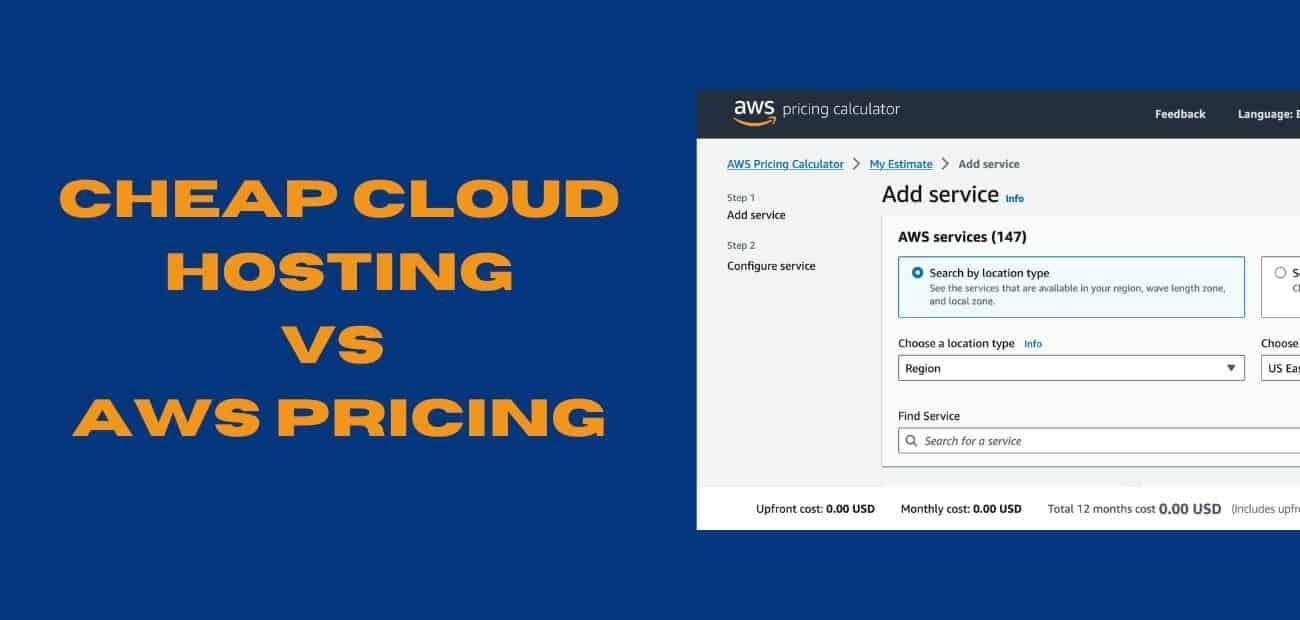
In today’s digital landscape, cloud hosting has become an indispensable part of the tech ecosystem, offering flexibility, scalability, and enhanced performance for businesses of all sizes. However, while cloud solutions promise numerous advantages, the complexity of their pricing structures can often lead to confusion for both novices and experienced users alike. With various factors—such as resource allocation, bandwidth, and service tiers—impacting costs, it’s crucial for businesses to fully understand how cloud hosting expenses are determined. In this comprehensive guide, we’ll peel back the layers of cloud hosting pricing, break down the components that contribute to your monthly bill, and offer practical tips to help you make informed decisions that align with your budget and operational needs. By the end of this article, you’ll be equipped with the knowledge to navigate the cloud hosting landscape confidently, ensuring you get the best value for your investment.
Table of Contents
- Understanding the Key Factors Influencing Cloud Hosting Expenses
- Comparing Major Cloud Providers to Optimize Your Budget
- Identifying Hidden Costs in Cloud Hosting: What to Watch For
- Strategies to Minimize Cloud Hosting Costs While Maximizing Performance
- Wrapping Up
Understanding the Key Factors Influencing Cloud Hosting Expenses
Cloud hosting expenses can vary significantly due to multiple factors that play a pivotal role in determining the overall cost. Scalability, which allows businesses to start with minimal resources and expand as needed, is a noteworthy element; higher flexibility can sometimes lead to increased costs. Additionally, the service model chosen (IaaS, PaaS, SaaS) directly impacts pricing structures. For example, Infrastructure as a Service (IaaS) generally has different cost implications compared to Software as a Service (SaaS). Other key aspects include:
- Data Storage Needs: The amount of data you need to store will affect your monthly bill; more storage typically means higher costs.
- Bands Usage: Your bandwidth requirements can lead to additional charges, especially if your site experiences high traffic.
- Support and Maintenance: Opting for premium support plans can also increase your total expenditure.
- Geographic Location: The location of your data centers can influence pricing due to varying operational costs in different regions.
To better illustrate these considerations, here’s a simple comparison of common cloud service models and their potential costs:
| Service Model | Cost Range (Monthly) | Key Features |
|---|---|---|
| IaaS | $50 – $500 | Complete control over resources and scalability options |
| PaaS | $25 – $300 | Integrated development platforms with built-in tools |
| SaaS | $10 – $200 | Subscription-based access to applications without infrastructure management |
Comparing Major Cloud Providers to Optimize Your Budget
When evaluating cloud providers, it’s essential to understand their pricing models and how these can impact your overall budget. Each major cloud provider comes with its own structure of costs, which can include variations based on resource usage, geography, and certain premium features. For instance, while AWS offers a pay-as-you-go model that can be appealing for businesses with fluctuating demands, Google Cloud Platform (GCP) provides sustained-use discounts that can significantly lower costs for consistently running workloads. Likewise, Microsoft Azure tends to bundle services, which can be beneficial for enterprises needing a range of products but may lock smaller users into higher costs if they don’t require them all.
To effectively compare these major players, consider the following factors:
- Service Variety: Understand which services are essential to your operation and whether the provider specializes in those.
- Pricing Transparency: Look for clear pricing models that avoid hidden fees, making it easier to predict costs.
- Free Tier Availability: Some providers offer more extensive free tiers that allow for testing and smaller operations without extra charges.
- Availability Zones: Costs can vary significantly based on the region; check pricing per region to find potential savings.
| Provider | Starting Cost (Monthly) | Discount Structure |
|---|---|---|
| AWS | $3.50 | Pay-as-you-go |
| Google Cloud | $4.00 | Sustained-use discounts |
| Microsoft Azure | $3.00 | Enterprise agreements |
Identifying Hidden Costs in Cloud Hosting: What to Watch For
When exploring cloud hosting options, it’s crucial to dig deep into pricing structures to uncover potential hidden costs. Some providers lure customers with enticing low base rates, but it’s essential to look beyond that initial sticker price. Consider the following areas where unexpected charges may arise:
- Data Transfer Costs: Make sure to understand ingress and egress fees, as transferring data in and out of the cloud can add significantly to your bill.
- Storage Fees: Check if there are additional charges for data storage tiers, backups, and snapshots beyond the initial allocation.
- Support Services: Some providers offer basic support for free, while others charge for premium assistance, which can increase costs without prior notice.
- Third-Party Services: Integrating third-party tools can lead to added expenses. Monitor any app or service fees that may not be included in your hosting plan.
Furthermore, it’s essential to be aware of certain fees that can accumulate quicker than anticipated. Here’s a brief comparison table highlighting some common hidden charges:
| Cost Type | Potential Impact |
|---|---|
| Data Egress | Can lead to significant costs as your user base grows |
| API Request Charges | Increased costs with high volume usage |
| Premium Support | Monthly fees that may not be foreseen |
| Extra Storage Costs | Incremental fees for exceeding storage limits |
Strategies to Minimize Cloud Hosting Costs While Maximizing Performance
To effectively minimize cloud hosting costs without sacrificing performance, it’s essential to implement a few key strategies. First, right-sizing your resources is crucial. This involves analyzing your current cloud usage and reducing the scale of your resources, such as instances and storage, to match your typical workload. Regularly monitor your cloud spend with tools like AWS Cost Explorer or Azure Cost Management to identify underutilized resources. Additionally, leveraging auto-scaling capabilities can help control costs by automatically adjusting your resources based on demand, ensuring you only pay for what you need during peak times.
Another way to optimize expenses is by taking advantage of reserved instances or committed use discounts. By committing to a long-term contract, you can substantially lower your costs compared to on-demand pricing. It’s also wise to leverage spot instances or preemptible VMs for non-critical workloads, providing considerable savings when utilized correctly. Enhance your budget control by setting up cost alerts and using tagging to categorize resources effectively, allowing for better oversight of your spending patterns. Below is a simple table illustrating potential savings through different resource options:
| Resource Type | Cost Type | Estimated Savings |
|---|---|---|
| On-Demand Instances | Pay-as-you-go | — |
| Reserved Instances | 1-3 year commitment | Up to 75% |
| Spot Instances | Market price | 30-90% |
Wrapping Up
understanding the intricate landscape of cloud hosting costs is crucial for businesses and individuals alike, as it can significantly impact your bottom line. By breaking down the various pricing structures, factors that influence costs, and the different types of services available, we’ve aimed to equip you with the knowledge necessary to make informed decisions.
Remember, while cost is a significant consideration, it should not be the sole determining factor in your cloud hosting choice. Look for providers that align with your specific needs, prioritizing performance, scalability, and customer support. As you navigate your cloud hosting journey, keep this guide handy to ensure you’re maximizing value while minimizing overhead.
If you have further questions or need assistance as you explore cloud solutions, feel free to reach out. Here’s to making smarter cloud hosting decisions and optimizing your digital infrastructure for success!