
Unlocking Speed: Benefits of SSD Storage in VPS Hosting
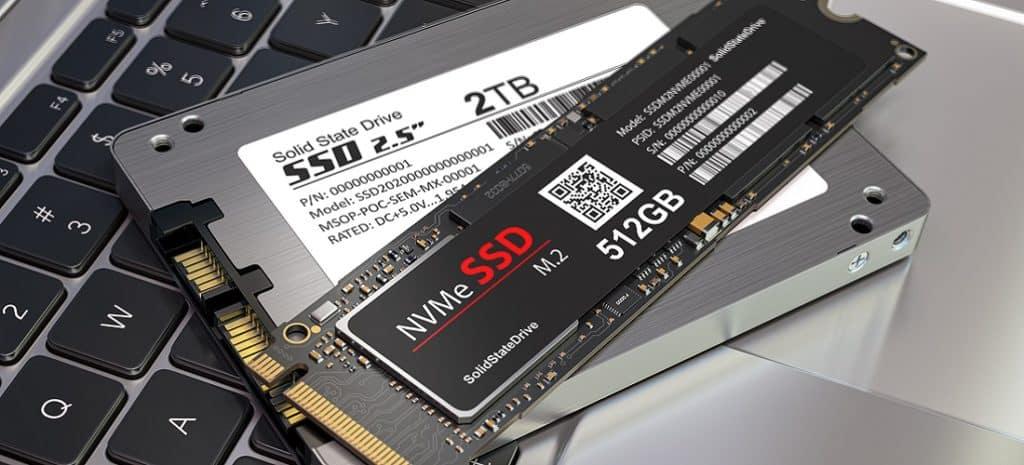
In today’s digital landscape, where speed and performance can make or break online ventures, the choice of storage solutions plays a pivotal role in the success of any website or application. As businesses increasingly migrate to Virtual Private Server (VPS) hosting for its balanced blend of power, flexibility, and control, the integration of Solid State Drive (SSD) technology is revolutionizing the hosting experience. In this article, we will explore the myriad benefits of SSD storage in VPS hosting, highlighting how these cutting-edge drives enhance data access speeds, improve reliability, and contribute to overall scalability. Whether you’re a budding entrepreneur or an established enterprise, understanding the advantages of SSDs in your VPS setup can unlock new levels of performance and reliability that are essential for thriving in today’s competitive online environment. Strap in as we delve into the transformative power of SSD technology and discover how it can propel your hosting solutions to new heights.
Table of Contents
- Understanding the Fundamentals of SSD Technology in VPS Hosting
- Performance Advantages: How SSDs Enhance Speed and Reliability
- Cost-Effectiveness of SSDs: Long-Term Gains in VPS Hosting
- Choosing the Right VPS Plan: Tips for Optimal SSD Utilization
- Future Outlook
Understanding the Fundamentals of SSD Technology in VPS Hosting
Solid State Drives (SSDs) revolutionize the speed and efficiency of Virtual Private Server (VPS) hosting by eliminating many limitations found in traditional hard drives. Unlike HDDs, which rely on spinning disks, SSDs store data on flash memory chips, allowing for lightning-fast data access and transfer speeds. This technological shift results in faster boot times, quicker application launches, and reduced latency, enabling users to enjoy a seamless experience when accessing websites or applications hosted on VPS platforms.
Some of the standout benefits of SSD technology in VPS hosting include:
- Enhanced Performance: Applications load significantly quicker, improving user experience.
- Higher IOPS: SSDs can handle more input/output operations per second, making them ideal for busy servers.
- Energy Efficiency: SSDs consume less power compared to HDDs, contributing to lower operational costs.
- Increased Reliability: With no moving parts, SSDs are less prone to mechanical failure, offering greater durability.
Performance Advantages: How SSDs Enhance Speed and Reliability
One of the most significant benefits of SSD storage in VPS hosting is the remarkable speed enhancement it brings to data access and transfer. Unlike traditional hard drives that rely on spinning disks, SSDs use flash memory, allowing for faster read and write speeds. This decreased latency can lead to quicker boot times, faster application launches, and an overall smoother user experience. With an SSD, users can expect:
- Reduced load times: Applications and websites load almost instantly, boosting productivity.
- Increased IOPS (Input/Output Operations Per Second): This makes handling multiple transactions seamlessly possible, especially for demanding databases.
- Better performance under load: Even with high traffic, SSDs maintain consistent speed, eliminating bottlenecks.
Moreover, SSDs offer substantial reliability improvements compared to traditional hard drives. The lack of moving parts means there’s less chance of mechanical failure, translating to better data integrity and durability. In environments where uptime is critical, SSDs prove their worth by ensuring data consistency and protection. Key elements of reliability include:
- Longer lifespan: SSDs generally have a higher endurance, offering prolonged service without degradation.
- Enhanced data security: Advanced error correction technologies in SSDs protect against data corruption.
- Lower failure rates: The failure rates of SSDs are significantly lower than traditional HDDs, providing peace of mind for sensitive applications.
Cost-Effectiveness of SSDs: Long-Term Gains in VPS Hosting
When evaluating the cost-effectiveness of SSDs in VPS hosting, it’s essential to look beyond the initial investment. While solid-state drives may have a higher upfront cost compared to traditional hard drives, the long-term gains prove to be significant. Businesses that prioritize performance can expect improved loading times, faster data retrieval, and reduced downtime. All these factors contribute to an overall enhanced user experience, which is invaluable in today’s competitive digital environment. The following benefits highlight the financial advantages of SSDs:
- Lower Energy Costs: SSDs consume less power, leading to reduced electricity bills over time.
- Increased Efficiency: Faster processing speeds can boost productivity, minimizing the time spent on tasks.
- Extended Lifespan: With no moving parts, SSDs are less prone to mechanical failure, resulting in fewer replacement costs.
- Improved Scalability: Enhanced speed allows businesses to scale their operations with confidence, accommodating growth without significant infrastructure changes.
To illustrate the potential return on investment (ROI), consider the following comparison of costs associated with SSD and HDD options in VPS hosting:
| Drive Type | Initial Cost | Annual Energy Cost | Estimated Lifespan | Approximate Annual Cost (5 Years) |
|---|---|---|---|---|
| SSD | $600 | $50 | 5 years | $1,850 |
| HDD | $400 | $100 | 3 years | $1,700 |
As depicted in the table, while SSDs have a higher initial cost, their efficiency and durability often translate into lower total ownership costs over time. This advantageous position reaffirms the case for adopting SSD technology as a core component of your VPS hosting strategy.
Choosing the Right VPS Plan: Tips for Optimal SSD Utilization
When selecting a VPS plan that maximizes the benefits of SSD storage, it’s essential to consider several key factors. Firstly, evaluate your specific storage needs. If your applications require rapid data access and frequent read/write operations, opt for a plan that offers higher SSD capacities. This is particularly important for databases and business applications that benefit from swift performance. Additionally, understanding your website traffic patterns will help you determine the ideal bandwidth, ensuring that your resources won’t be strained during peak usage times.
Secondly, consider the scalability of your VPS plan. As your business grows, so will your storage needs. Choose a provider that allows you to easily upgrade your SSD storage without significant downtime. Furthermore, take into account the backup and recovery options available. Reliable backup solutions safeguard against data loss, making it crucial to understand how your chosen plan handles these features. Look for plans offering automated backups and snapshot capabilities, which can greatly enhance your data security.
Future Outlook
the shift to SSD storage in VPS hosting is not just a trend; it’s a transformative step towards optimizing your online presence. With unparalleled speed, enhanced performance, and increased reliability, SSDs offer significant advantages that traditional HDDs simply cannot match. As businesses and individuals alike continue to embrace the digital landscape, investing in SSD-based VPS hosting solutions will undoubtedly pave the way for faster load times, improved user experiences, and greater overall productivity.
By unlocking the full potential of SSD technology, you’re not only future-proofing your hosting needs but also setting your digital projects up for sustained success. Whether you’re running a bustling e-commerce site, a dynamic web application, or a robust personal blog, the benefits of SSD storage cannot be overstated.
We encourage you to weigh these advantages as you explore your options in VPS hosting. As you make your decision, remember: in today’s fast-paced digital world, speed and reliability are paramount. Choose wisely, and watch your online endeavors thrive with the speed and agility that only SSD storage can provide. Thank you for joining us in exploring the remarkable benefits of SSDs, and here’s to your next hosting venture being faster and more efficient than ever!