
Unlocking Success: The Importance of Scalability in Cloud Hosting
In today’s fast-paced digital landscape, businesses of all sizes are constantly seeking ways to enhance their operational efficiency, drive innovation, and ensure sustainable growth. At the heart of these efforts lies a crucial element: scalability. As organizations increasingly turn to cloud hosting solutions to support their infrastructures, understanding the importance of scalability becomes paramount. In this article, we will explore how scalable cloud hosting can unlock success by enabling businesses to effortlessly adapt to changing demands, optimize resource allocation, and ultimately stay ahead of the competition. Whether you are a startup aiming for rapid expansion or an established enterprise looking to streamline operations, embracing scalability in your cloud strategy is essential for achieving your long-term goals. Join us as we delve into the key principles of scalability in cloud hosting and uncover the transformative potential it holds for your business’ success.
Table of Contents
- Understanding Scalability in Cloud Hosting Environments
- Key Benefits of Scalable Solutions for Growing Businesses
- Best Practices for Implementing Scalable Cloud Architectures
- Evaluating Cloud Service Providers for Optimal Scalability
- Key Takeaways
Understanding Scalability in Cloud Hosting Environments
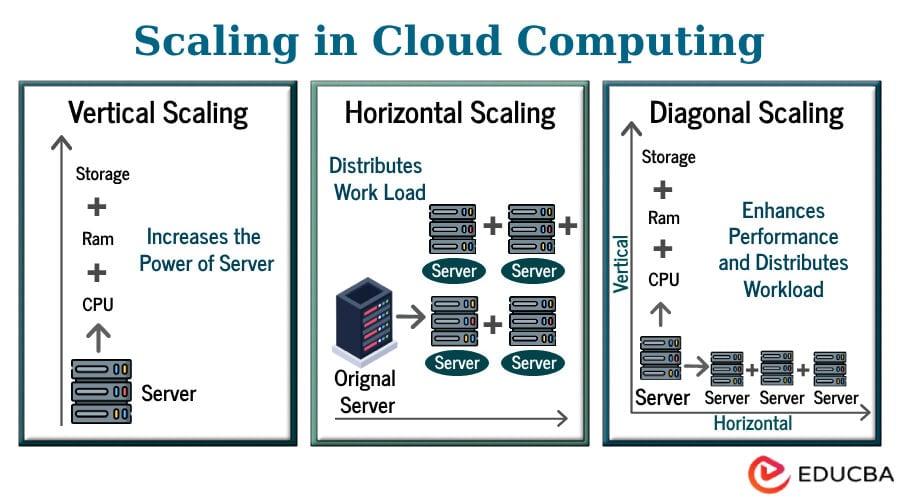
Scalability in cloud hosting refers to the ability to expand or reduce IT resources as needed to meet changing demands. This flexibility allows businesses to handle varying workloads without incurring unnecessary costs. It can be categorized into two main types: vertical scalability (scale-up) and horizontal scalability (scale-out). Vertical scalability involves enhancing the capabilities of existing machines, such as adding RAM or CPU power, while horizontal scalability involves adding more machines to a pool of resources. This distinction is crucial for businesses looking to optimize performance and costs, as choosing the right type of scalability directly impacts both operational efficiency and budget alignment.
To better understand the benefits of scalability in cloud environments, consider these key factors:
- Cost-Effectiveness: Scale resources dynamically to match demand, avoiding overpayment for underused capacity.
- Performance: Improve load handling during traffic spikes without degrading user experience.
- Resource Management: Simplify management with automated scaling solutions that integrate seamlessly with your applications.
| Scalability Type | Advantages | Use Cases |
|---|---|---|
| Vertical Scalability | Quick upgrades; no architectural changes needed | Database applications, legacy systems |
| Horizontal Scalability | Improved fault tolerance; better resource allocation | Web applications, microservices |
Key Benefits of Scalable Solutions for Growing Businesses
As businesses evolve, their operational needs and customer demands shift, making the ability to adapt essential for success. Scalable solutions empower organizations to efficiently manage growth. By investing in cloud hosting that offers scalability, businesses can adjust their resources seamlessly, avoiding the pitfalls of over-provisioning or under-utilization. This flexibility not only enhances performance but also enables companies to respond swiftly to market changes or sudden spikes in demand, ensuring they remain competitive without the headache of constant resource monitoring.
Moreover, scalable solutions contribute to better financial management. With the ability to pay for only what you use, businesses can allocate budgets more effectively, minimizing unnecessary expenditures. This model fosters a growth-friendly environment where resources can be expanded or reduced based on real-time requirements, promoting a streamlined operational approach. In essence, scalability leads to optimized resource allocation, which is crucial for companies seeking to maximize their ROI and achieve sustainable growth.
Best Practices for Implementing Scalable Cloud Architectures
When designing scalable cloud architectures, it’s crucial to adopt a modular approach. Microservices architecture is one of the leading strategies as it allows you to break down applications into smaller, independent units that can be developed, deployed, and scaled individually. This approach not only enhances fault isolation but also accelerates the development lifecycle. Additionally, utilizing containerization technologies like Docker can further streamline this process, providing the agility needed to manage application components efficiently.
Incorporating auto-scaling mechanisms is another essential practice. By automatically adjusting resources based on real-time traffic and demand, businesses can ensure optimal performance and cost-efficiency. Furthermore, implementing a robust monitoring system allows teams to track performance metrics and identify bottlenecks quickly. Below is a simple comparison highlighting the advantages of key scalable architecture practices:
| Practice | Benefits |
|---|---|
| Microservices | Enhanced agility, improved fault isolation |
| Containerization | Efficient resource management, simplified deployment |
| Auto-scaling | Cost-effective resource usage, improved performance |
| Monitoring | Proactive issue detection, performance optimization |
Evaluating Cloud Service Providers for Optimal Scalability
Choosing the right cloud service provider is crucial for businesses looking to scale efficiently. When evaluating providers, consider their capabilities in handling sudden increases in traffic and workloads. A robust infrastructure should allow for:
- Elastic resource allocation: The ability to easily increase or decrease resources as needed.
- Geographical flexibility: Data centers located globally to facilitate low-latency access for users.
- Performance monitoring tools: Integrated analytics that provide real-time insights into resource usage and performance trends.
Another important factor is the provider’s sliding pricing model, which can help manage costs as your demands change. Many cloud services offer a pay-as-you-go structure, allowing you to only pay for what you use. When comparing potential providers, take note of their service-level agreements (SLAs) regarding uptime and support response times. Below is a simple comparison table of features you might consider:
| Provider | Elasticity | Global Datacenters | Cost Model | Uptime SLA |
|---|---|---|---|---|
| Provider A | Yes | Multiple | Pay-as-you-go | 99.99% |
| Provider B | Yes | Several | Tiered pricing | 99.90% |
| Provider C | Limited | Two | Flat rate | 99.95% |
Key Takeaways
the importance of scalability in cloud hosting cannot be overstated. As businesses navigate the ever-evolving digital landscape, the ability to efficiently scale resources up or down in response to changing demands is crucial for maintaining not just operational efficiency but also competitive advantage. Embracing scalable cloud solutions empowers organizations to respond swiftly to market shifts, optimize costs, and enhance user experiences—all key ingredients for sustained success.
As you consider your cloud hosting options, prioritize scalability in your decision-making process. By selecting a provider that offers robust, flexible solutions, you set your organization on a path to growth, resilience, and innovation. Remember, in a world where change is the only constant, having a scalable cloud hosting strategy can be the game-changer that unlocks new opportunities for your business. Here’s to embracing the future, one scalable solution at a time!