
Unlocking Performance: The Benefits of SSD Storage in Cloud Hosting
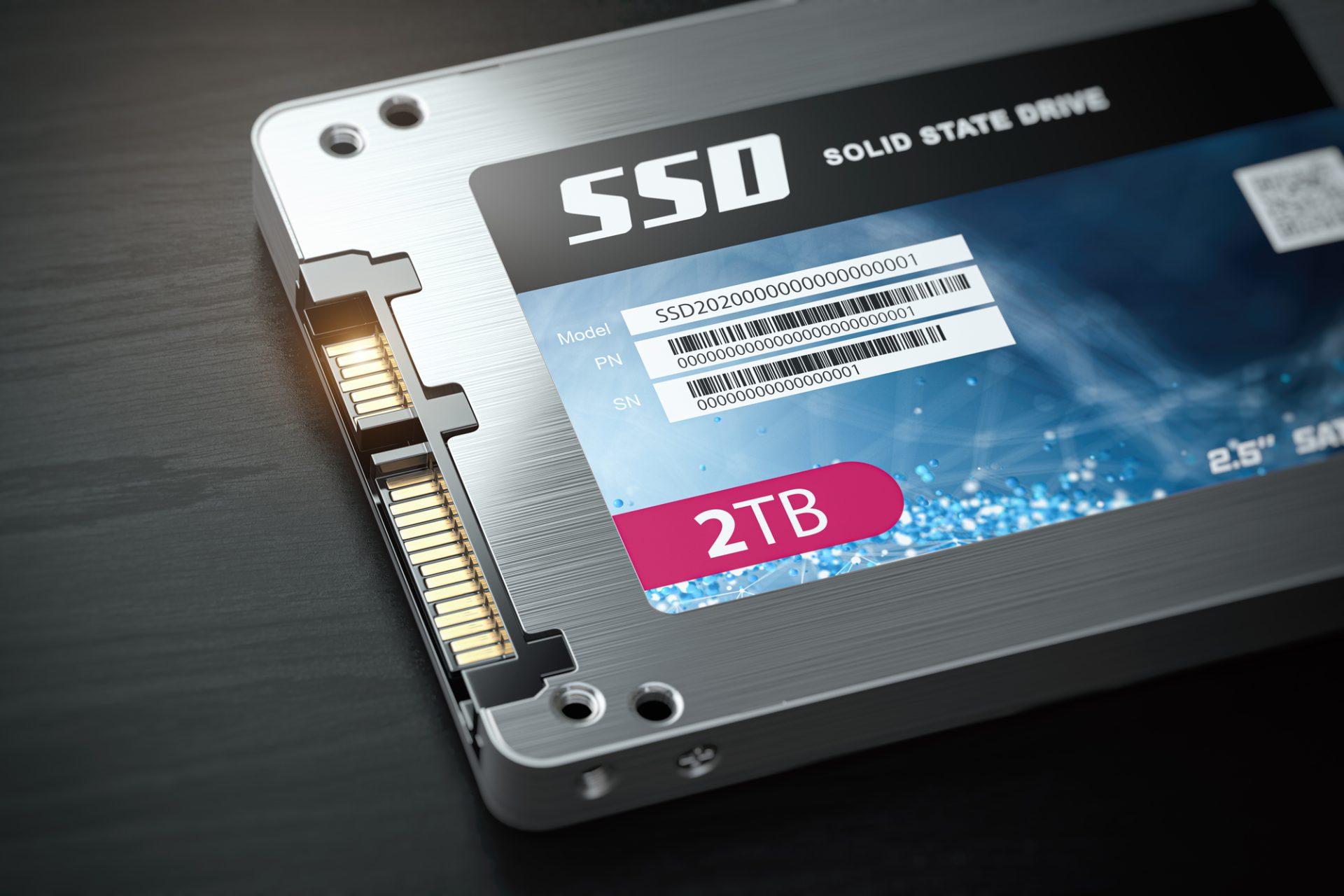
In today’s fast-paced digital landscape, where speed and efficiency are paramount, the choice of storage solutions can significantly impact the performance of cloud hosting services. As businesses increasingly move their operations to the cloud, the demand for faster, more reliable storage options has never been greater. Enter Solid-State Drives (SSDs), a cutting-edge technology that has revolutionized data storage and access. In this article, we will explore the myriad benefits of SSD storage in cloud hosting, uncovering how this innovative solution can enhance performance, improve reliability, and optimize user experiences. Whether you’re a business owner, IT professional, or tech enthusiast, understanding the advantages of SSDs is essential for making informed decisions that drive success in today’s competitive environment. Let’s dive into how unlocking the potential of SSD storage can transform your cloud hosting experience.
Table of Contents
- The Impact of SSD Storage on Cloud Hosting Speed and Efficiency
- Enhancing Data Security and Reliability with SSD Technology
- Cost-Effectiveness of SSDs Compared to Traditional Hard Drives
- Optimizing Workflow and Scalability with SSD-Powered Cloud Solutions
- In Retrospect
The Impact of SSD Storage on Cloud Hosting Speed and Efficiency
The integration of SSD (Solid State Drive) storage into cloud hosting platforms has revolutionized the speed and efficiency of data management and retrieval. Unlike traditional Hard Disk Drives (HDD), SSDs utilize flash memory to store data, resulting in significantly faster read and write speeds. This rapid access to data allows for quicker loading times for websites and applications, which is crucial for user experience and retention. Businesses leveraging SSD storage in their cloud solutions often report enhanced performance metrics, such as:
- Reduced latency: Quick data access times minimize delays.
- Improved I/O operations: Enhanced input/output operations per second (IOPS) boost performance for databases and applications.
- Higher reliability: SSDs have no moving parts, which means they are less prone to mechanical failure.
Moreover, the efficiency gained from SSD storage translates into cost savings and resource allocation. With faster processing capabilities, organizations can manage larger volumes of data seamlessly, which can lead to lower resource consumption over time. This results in more efficient scaling of resources as workloads increase, optimizing operational costs. To further illustrate the efficiency benefits, consider the following table comparing SSD and HDD performance in a cloud hosting environment:
| Metric | SSD | HDD |
|---|---|---|
| Average Read Speed | 500 MB/s | 150 MB/s |
| Average Write Speed | 450 MB/s | 140 MB/s |
| Access Time | 0.1 ms | 10-15 ms |
Enhancing Data Security and Reliability with SSD Technology
Data security and reliability play crucial roles in today’s digital landscape, where breaches and data loss can have catastrophic consequences. By leveraging Solid State Drive (SSD) technology, cloud hosting providers are able to offer clients enhanced data protection protocols. Unlike traditional hard drives, SSDs have no moving parts, significantly reducing the risk of mechanical failure. With faster read/write speeds and lower latency, SSDs ensure that data is not only processed quickly but also stored more securely, minimizing the window of vulnerability during transactions and data transfers.
Moreover, encryption capabilities present in SSD technology add an extra layer of security, allowing sensitive data to be stored in a more protected format. Many SSDs come equipped with built-in encryption features, enabling organizations to comply with data protection regulations more easily. When combined with regular data backups and redundancy strategies, SSDs offer a robust solution for safeguarding business data. Consider leveraging SSDs in your cloud hosting strategy to ensure your data is not only secure but also consistently available when needed.
Cost-Effectiveness of SSDs Compared to Traditional Hard Drives
When evaluating the financial implications of transitioning from traditional hard drives to solid-state drives, it’s essential to consider not only the initial investment but also the long-term savings associated with enhanced performance and reliability. SSDs, while typically more expensive upfront, offer advantages that can lead to cost reductions over time. For example, the reduced power consumption of SSDs translates to lower electricity bills, while their durability minimizes replacement costs, contributing to a more sustainable operational budget.
Furthermore, the impact of SSDs on performance can lead to significant operational efficiencies. When deployed in cloud hosting environments, SSDs allow for faster load times, which improve user experiences and potentially increase customer retention. The following are key factors that highlight the cost-effectiveness of SSDs:
- Increased speed: Dramatically reduces latency, enabling faster data retrieval.
- Lower failure rates: SSDs tend to last longer, resulting in fewer disruptions and maintenance costs.
- Enhanced productivity: Faster access to data streamlines workflows and maximizes resource utilization.
| Aspect | Traditional HDD | Solid-State Drive (SSD) |
|---|---|---|
| Initial Cost | Lower | Higher |
| Speed | Slower | Significantly faster |
| Durability | More susceptible to failure | More robust |
| Power Consumption | Higher | Lower |
| Lifespan | Shorter | Longer |
Optimizing Workflow and Scalability with SSD-Powered Cloud Solutions
In today’s fast-paced digital environment, the ability to scale operations swiftly while maintaining optimal performance is paramount for businesses. SSD-powered cloud solutions deliver remarkable enhancements in both workflow and scalability. By leveraging solid-state drives, organizations can experience faster data access and retrieval times, allowing for a significant reduction in latency. This speed not only boosts productivity but also enables teams to run resource-intensive applications and handle large datasets seamlessly. Companies can focus more on innovation and less on infrastructure bottlenecks, maximizing efficiency across all departments.
The inherent flexibility of cloud solutions paired with the power of SSD technology allows businesses to effortlessly adapt to changing demands. With features like automated scaling, companies can adjust their storage and computing resources in real-time. The benefits include:
- Rapid Deployment: Quickly deploy new instances without the need for lengthy hardware setup.
- Cost Efficiency: Pay only for the storage and processing power you need, scaling up or down on demand.
- High Availability: SSD-driven solutions provide resilient performance, ensuring your applications are always on and accessible.
Furthermore, by utilizing SSDs in cloud environments, businesses gain access to advanced analytics and reporting tools that assist in identifying trends and optimizing resource allocation. This proactive approach to resource management fosters an innovative atmosphere where teams can drive performance enhancements on a regular basis. As a result, the integration of SSD technology is not merely an upgrade; it is a strategic move towards a more agile and competitive business model.
In Retrospect
the advantages of incorporating SSD storage into cloud hosting solutions are clear and compelling. With enhanced speed, improved reliability, and better energy efficiency, SSDs not only elevate performance but also reshape how businesses approach their data storage needs. As the digital landscape continues to evolve, leveraging the power of SSD technology can provide a significant competitive edge, enabling organizations to respond swiftly to market demands and drive innovation. Whether you’re a small startup or a large enterprise, investing in SSD cloud hosting is a strategic move that promises robust performance and scalability. Make the leap today, and unlock the full potential of your cloud infrastructure for a more efficient and responsive future. Thank you for reading, and we hope you found this exploration of SSD storage insightful and inspiring!