
Unlocking Performance: Advantages of SSD Storage in Cloud Hosting
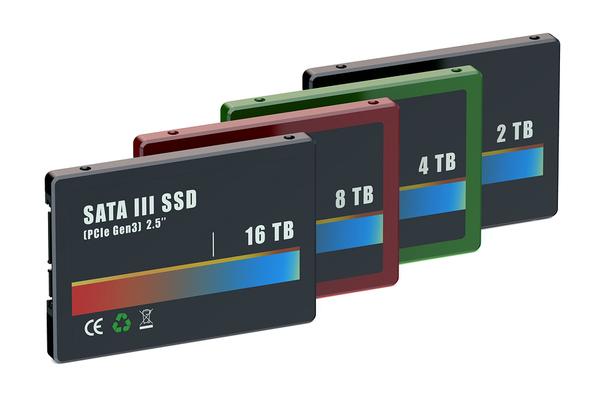
In today’s fast-paced digital landscape, where instant access to data and seamless performance are paramount, businesses are continually seeking ways to enhance their online presence. One of the most significant advancements in technology that has emerged in recent years is Solid State Drive (SSD) storage. Unlike traditional hard drives, SSDs harness the power of flash memory to deliver faster data access and greater reliability. When integrated into cloud hosting solutions, the benefits of SSD storage become even more pronounced, providing a powerful combination that can unlock exceptional performance for businesses of all sizes. In this article, we’ll delve into the numerous advantages of utilizing SSD storage in cloud hosting environments and explore how this innovative technology can empower your organization to thrive in an increasingly competitive digital arena. Whether you’re an entrepreneur, a seasoned IT manager, or simply someone keen on optimizing your online services, this guide will illuminate the transformative potential of SSDs in enhancing cloud performance.
Table of Contents
- Benefits of SSD Storage for Enhanced Cloud Hosting Performance
- Impact of Speed on Application Efficiency and User Experience
- Cost-Effectiveness of SSDs: Maximizing Value in Cloud Environments
- Choosing the Right SSD Solutions: Key Considerations for Your Cloud Strategy
- Final Thoughts
Benefits of SSD Storage for Enhanced Cloud Hosting Performance
When it comes to cloud hosting, integrating SSD storage provides an array of benefits that elevate performance to new heights. One of the most prominent advantages is faster data access speeds. Unlike traditional HDDs, SSDs utilize flash memory to access data almost instantly, resulting in significantly reduced loading times for applications and websites. This is crucial for businesses that rely on real-time data processing and seamless user experiences. Additionally, the enhanced reliability of SSDs ensures that businesses can trust their cloud infrastructure, as these drives are less prone to mechanical failure compared to their HDD counterparts.
Moreover, SSDs contribute to improved scalability and efficiency in cloud environments. With the ability to handle multiple tasks simultaneously, SSDs allow for efficient resource allocation, meaning businesses can scale their operations without experiencing performance bottlenecks. This is particularly beneficial for companies that expect sudden traffic spikes or require heavy computational resources. The lightweight nature of SSD technology also leads to lower power consumption, which not only supports sustainability efforts but also reduces operational costs. Here’s a quick comparison of performance features between SSDs and HDDs in cloud hosting:
| Feature | SSD | HDD |
|---|---|---|
| Data Access Speed | Up to 500 MB/s | Up to 150 MB/s |
| Durability | High (no moving parts) | Moderate (mechanical components) |
| Power Usage | Low | Higher |
Impact of Speed on Application Efficiency and User Experience
When it comes to application performance, speed is a critical factor that significantly influences efficiency and user experience. With traditional hard disk drives (HDDs), applications often face delays in data retrieval, leading to frustrating load times and reduced productivity. In contrast, solid-state drives (SSDs) utilize flash memory to deliver high-speed data access, which results in faster boot times, quicker file transfers, and seamless application launches. This efficiency not only enhances operational workflows but also ensures that users remain engaged without the interruptions often caused by lagging performance.
Furthermore, the impact of speed extends to user satisfaction and overall engagement. When applications hosted on SSDs perform optimally, users are more likely to interact with the platform positively, leading to increased retention rates. Key benefits of rapid application performance include:
- Reduced Latency: SSDs minimize the time it takes for servers to send and receive data, leading to more responsive applications.
- Improved Scalability: With efficient data handling, SSDs allow applications to scale seamlessly during traffic spikes.
- Enhanced User Experience: Faster application interactions foster user satisfaction, encouraging longer sessions and repeat usage.
Additionally, consider the following table that illustrates the performance differences between SSDs and HDDs:
| Feature | SSD | HDD |
|---|---|---|
| Read Speed | 500-550 MB/s | 80-160 MB/s |
| Write Speed | 450-520 MB/s | 70-130 MB/s |
| Durability | High (Shock-resistant) | Moderate (Vulnerable to drops) |
| Noise Level | Silent | Mechanical Noise |
Cost-Effectiveness of SSDs: Maximizing Value in Cloud Environments
When considering the integration of SSDs into cloud environments, the cost-effectiveness of these storage solutions stands out. While the initial investment in SSD technology tends to be higher than traditional HDDs, the long-term savings can be significant. SSDs provide advantages such as:
- Reduced Latency: Faster data retrieval leads to improved application response times, enhancing overall user experience.
- Higher Throughput: SSDs handle more I/O operations per second (IOPS), making them ideal for high-demand environments.
- Lower Energy Consumption: SSDs typically consume less power, leading to lower operational costs in data centers.
Additionally, the longevity and durability of SSDs contribute to their cost-effectiveness. They are less susceptible to mechanical failure, which decreases the frequency of replacements and maintenance. This reliability translates into cost savings over time and a more efficient allocation of resources. The table below summarizes the key differences in total cost of ownership (TCO) associated with SSDs versus HDDs in cloud implementations:
| Storage Type | Initial Cost | Maintenance Cost | Power Consumption | Total Cost Over 5 Years |
|---|---|---|---|---|
| SSD | $0.25/GB | $0.05/GB/year | Low | $0.30/GB |
| HDD | $0.10/GB | $0.10/GB/year | High | $0.70/GB |
Choosing the Right SSD Solutions: Key Considerations for Your Cloud Strategy
When considering SSD solutions for your cloud strategy, the choice can significantly impact your overall performance and efficiency. Start by evaluating your specific workload requirements, as different SSD types cater to varied needs. For example, NVMe SSDs provide higher throughput and lower latency compared to traditional SATA SSDs, making them ideal for high-demand applications like databases and virtualization. Additionally, think about the durability and reliability of the storage solution. Features such as wear leveling and error correction can enhance the lifespan of your SSD, ensuring consistent performance over time.
Another critical consideration is the scalability of your SSD solution. As your business grows, you need to ensure that your storage can keep pace. Opt for solutions that allow for easy upgrades and expansion. Additionally, cost-effectiveness is key; analyze the total cost of ownership, taking into account not just the purchase price but also factors like maintenance, energy consumption, and potential downtime. a holistic approach that balances performance, durability, scalability, and cost will drive your cloud strategy towards success.
Final Thoughts
the shift towards SSD storage in cloud hosting represents a significant leap forward in harnessing performance, efficiency, and reliability. As businesses increasingly rely on digital solutions, the advantages that SSDs provide—such as faster data access speeds, enhanced durability, and improved energy efficiency—cannot be overstated. By adopting SSD technology, organizations stand to gain a competitive edge, ensuring that they not only meet but exceed the demands of their users and clients.
As you explore cloud hosting options, considering SSD-powered services will unlock a new realm of possibilities for your applications and workloads. Whether you’re a startup or an established enterprise, understanding and leveraging the benefits of SSD storage can help propel your operations into the fast lane of digital transformation. Embrace the future of cloud-based solutions; your performance and productivity will thank you.
For more insights and updates on optimizing your cloud infrastructure, stay tuned to our blog. Your journey towards unlocking unparalleled performance starts here!