
Unlocking Data Security: How Cloud Hosting Manages Backups
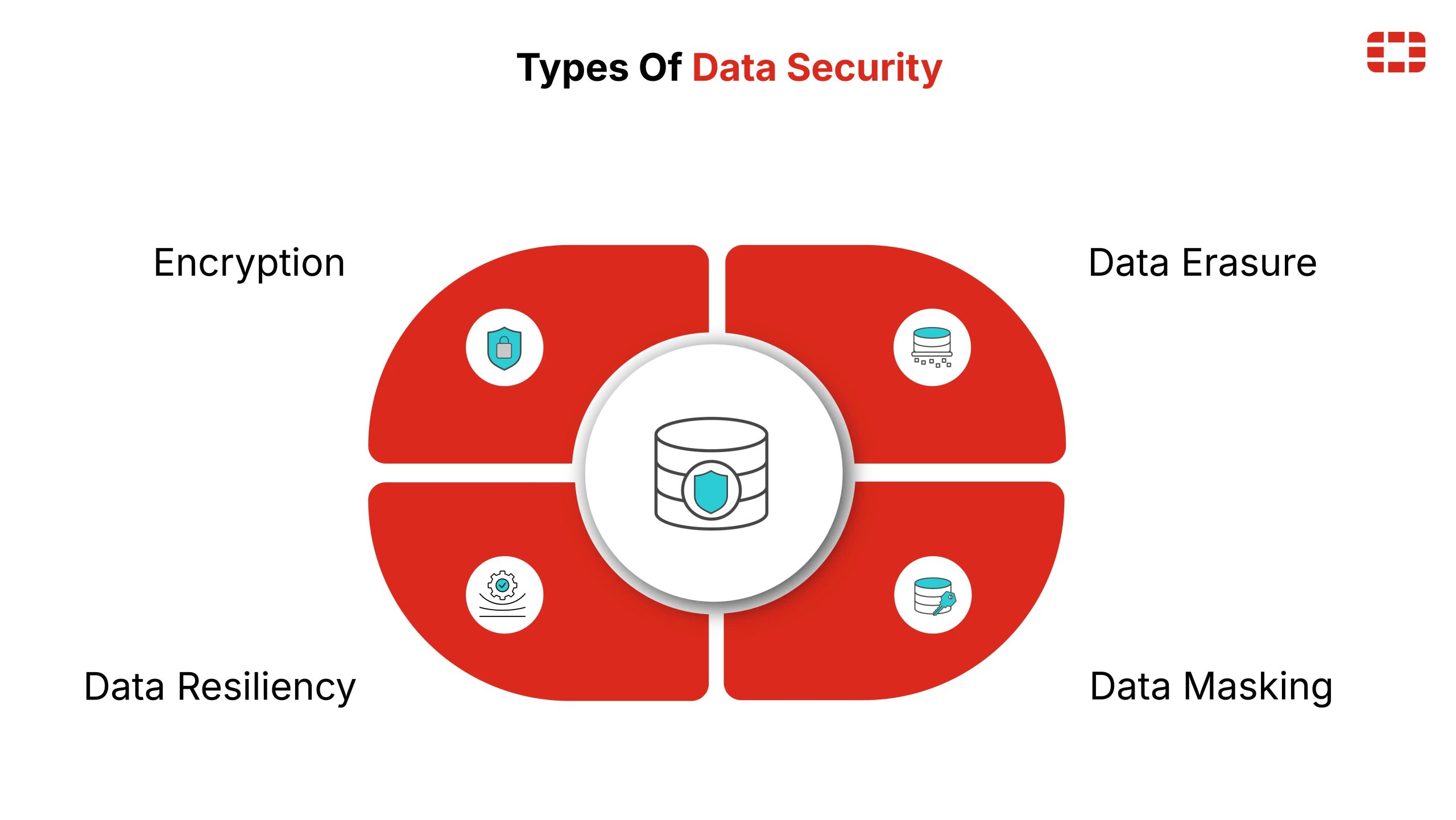
In today’s digital age, where vast amounts of data are generated and shared every second, the integrity and security of this information have never been more critical. As businesses increasingly turn to cloud hosting solutions, the importance of effective data backup strategies becomes paramount. But how exactly does cloud hosting streamline the backup process and fortify our defenses against data loss? In this article, we will explore the nuances of cloud-based data security, examining how innovative backup management tools and practices not only safeguard sensitive information but also ensure business continuity in an ever-evolving threat landscape. Join us as we unlock the secrets to robust data security through the lens of cloud hosting, empowering you to protect what matters most.
Table of Contents
- Understanding the Importance of Robust Data Backups in Cloud Hosting
- Choosing the Right Cloud Hosting Provider for Optimal Data Security
- Best Practices for Implementing Effective Backup Strategies in the Cloud
- Ensuring Compliance and Data Integrity Through Cloud Backup Solutions
- Final Thoughts
Understanding the Importance of Robust Data Backups in Cloud Hosting
In today’s digital landscape, the safety of data is paramount, especially when leveraging the benefits of cloud hosting. Robust data backups are the backbone of effective data management, ensuring that vital information can be recovered in the event of unforeseen disruptions. Consider the following key aspects that underscore the necessity of having a strong backup strategy:
- Data Loss Prevention: Accidental deletions, hardware failures, or cyber-attacks can lead to catastrophic data loss. Regular backups protect against these risks.
- Compliance and Regulations: Many industries are governed by strict regulations regarding data storage and retrieval. Maintaining comprehensive backups ensures compliance and mitigates legal risks.
- Business Continuity: Efficient backups can significantly reduce downtime, allowing businesses to resume operations swiftly after any incident.
Moreover, cloud hosting often provides sophisticated backup solutions that adapt to the dynamic needs of businesses. These solutions typically include features such as automated backups, versioning, and redundancy across multiple geographic locations. When evaluating backup strategies, it’s essential to understand how different options can enhance your data security. Here’s a quick comparison of common backup methods:
| Backup Method | Advantages | Disadvantages |
|---|---|---|
| Full Backup | Comprehensive data storage. | Time-consuming and resource-intensive. |
| Incremental Backup | Efficient storage usage. | Restoration can be complex. |
| Differential Backup | Faster recovery compared to incremental. | More storage than incremental but less than full. |
Choosing the Right Cloud Hosting Provider for Optimal Data Security
Selecting a cloud hosting provider with a strong focus on data security is crucial in today’s digital landscape. Not only should they offer robust security features, but they must also ensure compliance with industry standards and regulations. When evaluating potential providers, consider these key elements:
- Encryption Methods: Look for providers that offer end-to-end encryption for data both at rest and in transit.
- Physical Security: Ensure that their data centers have stringent physical security protocols in place to prevent unauthorized access.
- Regular Security Audits: A good provider conducts frequent security audits and shares those results with clients.
- Incident Response Plan: Verify that they have a solid plan for responding to data breaches or other security incidents.
Another vital aspect to explore is the backup and disaster recovery options offered by the provider. A reliable provider should have a robust backup system to protect your data from loss. Consider the following features when choosing:
| Feature | Description |
|---|---|
| Automated Backups | Regularly scheduled backups that require no manual intervention. |
| Geographically Distributed Backups | Data stored across multiple locations to prevent loss from regional disasters. |
| Versioning | Ability to restore previous versions of files to recover from accidental deletion. |
| REST API Access | Allows developers to integrate backup processes into their applications dynamically. |
By carefully considering these factors, you can choose a cloud hosting provider that not only safeguards your data but also ensures that your backups are managed effectively, giving you peace of mind in a volatile digital world.
Best Practices for Implementing Effective Backup Strategies in the Cloud
When it comes to ensuring your data remains secure in the cloud, the implementation of a robust backup strategy is crucial. To make this process effective, consider the following best practices:
- Regularly Schedule Backups: Automate your backup processes to run at regular intervals, ensuring that data is consistently updated without manual intervention.
- Use Redundancy: Store multiple copies of data across different geographical locations. This minimizes the risk of data loss due to localized events, such as natural disasters.
- Test Your Backups: Conduct routine tests to verify that your backups are functional and your data can be restored without issues. This is a critical step that is often overlooked.
- Implement Encryption: Ensure that all data, both in transit and at rest, is encrypted. This adds an extra layer of security and protects sensitive information from unauthorized access.
To further enhance your backup strategy, consider utilizing a tiered storage approach. This involves categorizing your data based on its importance and accessing frequency:
| Data Category | Storage Type | Access Frequency |
|---|---|---|
| Critical Data | High-Performance SSD | Frequent Access |
| Important Data | Standard HDD | Occasional Access |
| Archival Data | Cold Storage | Rare Access |
By aligning your backup strategy with your data requirements through tiered storage, you can optimize performance while managing costs effectively.
Ensuring Compliance and Data Integrity Through Cloud Backup Solutions
In an era where data regulations are stringent, organizations must prioritize compliance and integrity when implementing backup solutions. Cloud backup technologies not only safeguard against data loss but also ensure that sensitive information is stored and managed according to compliance standards. Providers often incorporate features such as end-to-end encryption and automated reporting functionalities to meet legal obligations, making the management of data protection less burdensome. Key benefits include:
- Regulatory Adherence: Cloud backups are engineered to comply with various standards such as GDPR and HIPAA.
- Data Integrity Checks: Automated verification processes confirm data accuracy and consistency.
- Auditable Logs: Comprehensive logging features allow for easy tracking of data access and modifications.
Moreover, trusted cloud backup solutions provide high-level security practices that mitigate risks associated with data breaches and ensure that your data remains untampered. This is particularly essential for organizations that handle sensitive information, as maintaining trust with customers and clients hinges on robust data management practices. Enhanced features often include:
- Advanced Encryption: Data is encrypted both in transit and at rest to eliminate vulnerabilities.
- Multi-factor Authentication: Adds an extra layer of security against unauthorized access.
- Regular Security Audits: Routine assessments to evaluate and enhance compliance measures.
| Backup Feature | Compliance Impact |
|---|---|
| Encryption | Protects sensitive data, ensuring regulatory compliance. |
| Integrity Checks | Guarantees data accuracy in adherence to industry standards. |
| Access Logs | Facilitates audits and traceability, enhancing trust. |
Final Thoughts
As we conclude our exploration of data security in the realm of cloud hosting, it’s clear that effective backup management is a cornerstone of a robust cybersecurity strategy. The increasing reliance on digital solutions demands that organizations not only prioritize secure data storage but also implement comprehensive backup solutions that can withstand the ever-evolving landscape of cyber threats.
By embracing cloud hosting services that prioritize advanced encryption, scalable storage options, and automated backup protocols, businesses are empowered to safeguard their critical information against loss, corruption, or attacks. The ability to access backups swiftly and restore systems with minimal downtime is essential in maintaining operational continuity and protecting invaluable business assets.
As technology continues to advance, staying informed and adapting to new security measures will be vital for organizations of all sizes. Remember, investing in a reliable cloud hosting provider is not just about securing your data—it’s about securing your peace of mind. We encourage you to assess your current data security practices, explore your cloud backup options, and ensure that your business is equipped to handle the data challenges of tomorrow.
Thank you for joining us on this journey to unlock the potential of data security in cloud hosting. We hope this guide has provided valuable insights that will help you navigate the complexities of safeguarding your information in the digital age. Stay secure, stay informed, and continue exploring the dynamic world of cloud technologies!