
Maximizing Efficiency: The Benefits of SSD Storage in Cloud Hosting
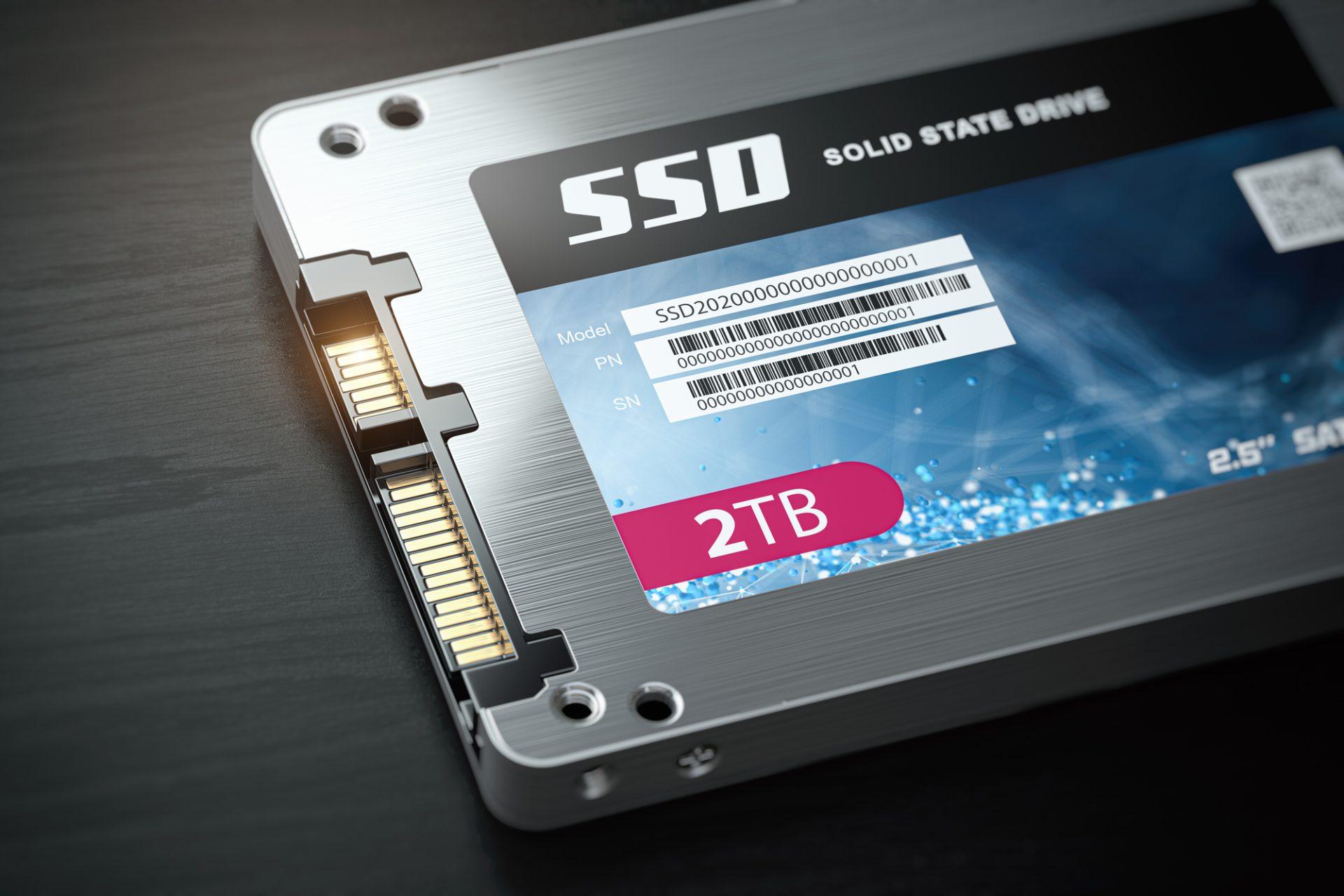
In today’s fast-paced digital landscape, the demand for speed and efficiency has never been greater. As businesses increasingly transition to cloud hosting solutions, the choice of storage technology plays a pivotal role in shaping performance and user experience. Among these technologies, Solid State Drives (SSDs) have emerged as a transformative force, dramatically enhancing data retrieval times, reliability, and overall system responsiveness. In this article, we will explore the myriad benefits of SSD storage in cloud hosting, highlighting how leveraging this advanced technology can help businesses maximize efficiency, boost productivity, and stay ahead of the competition. Whether you’re a startup seeking to optimize your resources or an established enterprise aiming for streamlined operations, understanding the advantages of SSDs in your cloud infrastructure is essential to unlocking your full potential. Join us as we delve into the key benefits and practical implications of integrating SSD storage into your cloud hosting strategy.
Table of Contents
- Understanding SSD Technology and Its Impact on Cloud Hosting
- Enhancing Performance and Speed with SSD Storage Solutions
- Cost-Effectiveness and Long-Term Benefits of SSD in the Cloud
- Choosing the Right SSD Hosting Provider for Optimal Efficiency
- In Summary
Understanding SSD Technology and Its Impact on Cloud Hosting
Solid State Drives (SSDs) have revolutionized data storage, making them a cornerstone of modern cloud hosting infrastructure. Unlike traditional hard disk drives (HDDs), SSDs utilize flash memory to store data, resulting in significantly faster read and write speeds. This increased speed leads to enhanced performance for cloud-based applications, allowing for quicker data retrieval and improved user experience. The lack of moving parts in SSD technology not only contributes to faster access times but also increases reliability, making it a preferred choice for businesses that require uptime and data integrity.
Integrating SSDs in cloud hosting can yield numerous advantages, including:
- Enhanced Performance: Increased speed boosts application efficiency.
- Lower Latency: SSDs provide faster access to data, reducing wait times.
- Scalability: SSD technology allows for easy scaling of cloud resources as demand grows.
- Energy Efficiency: SSDs consume less power, optimizing operational costs.
- Improved Durability: With no moving parts, SSDs have a greater lifespan and are less susceptible to mechanical failures.
In addition to these benefits, comparing SSDs to traditional storage options highlights their impact on performance and reliability. The table below summarizes key differences between SSDs and HDDs:
| Feature | SSD | HDD |
|---|---|---|
| Access Speed | Fast (up to 500 MB/s) | Moderate (up to 150 MB/s) |
| Durability | High (no moving parts) | Medium (susceptible to shock) |
| Power Consumption | Low | Higher |
| Noisy Operation | Silent | Noisy |
The adoption of SSD technology in cloud hosting not only maximizes efficiency but also positions businesses to thrive in an increasingly competitive digital landscape. By harnessing the advantages of SSDs, companies can offer faster, more reliable, and energy-efficient services, ultimately leading to greater customer satisfaction and business growth.
Enhancing Performance and Speed with SSD Storage Solutions
Solid State Drives (SSDs) represent a revolution in storage technology, particularly in the realm of cloud hosting. By replacing traditional Hard Disk Drives (HDDs) with SSDs, cloud service providers are enabling users to experience faster data retrieval and enhanced application performance. One of the primary advantages of SSDs is their ability to read and write data at significantly higher speeds due to their lack of moving parts. This not only leads to quicker boot times and reduced latency but also enables smoother operations for applications that rely heavily on real-time data access. As a result, businesses can enhance their operational efficiency and optimize user experience, which is crucial in today’s fast-paced digital environment.
Moreover, embracing SSD technology means benefiting from improved reliability and durability. Unlike HDDs, SSDs are less prone to physical failure, making them a more robust choice for data storage. The following aspects highlight the advantages SSDs bring to cloud hosting:
- Increased Speed: Access and load times are dramatically reduced.
- Lower Power Consumption: SSDs are more energy-efficient, leading to cost savings.
- Compact Form Factor: Smaller size without compromising storage capacity allows for more efficient server setups.
To illustrate the tangible benefits, consider the comparison of performance metrics between SSD and HDD options:
| Parameter | SSD | HDD |
|---|---|---|
| Read Speed | 500 MB/s | 100 MB/s |
| Write Speed | 450 MB/s | 75 MB/s |
| Mean Time Between Failures (MTBF) | 2 million hours | 1.5 million hours |
Cost-Effectiveness and Long-Term Benefits of SSD in the Cloud
When evaluating the cost-effectiveness of SSD storage in cloud hosting, it becomes clear that the initial investment can lead to significant long-term savings. Traditional HDDs may have a lower upfront cost, but they often come with hidden expenses such as increased energy consumption and higher maintenance costs. In contrast, SSDs offer superior performance, which translates into reduced latency and faster response times. This efficiency not only enhances user experience but also boosts productivity, allowing businesses to scale without the fear of additional operational costs. Furthermore, the durability of SSDs means a lower risk of data loss, which can be costly in terms of recovery efforts and downtime.
In addition to immediate financial considerations, the long-term benefits of deploying SSDs in cloud environments include more reliable data management and greater agility in operations. Organizations can enjoy:
- Enhanced Performance: SSDs can drastically improve data access speeds.
- Improved Resource Allocation: Less time spent on data retrieval allows teams to focus on core projects.
- Scalability: Easy to scale operations up or down based on storage needs.
- Lower Total Cost of Ownership (TCO): Reduced need for hardware replacements and support.
These advantages not only make SSDs an attractive option but also a strategic choice for businesses at any stage. Companies investing in SSD-based cloud solutions often report a significant return on investment (ROI) as a result of improved operational efficiency and retained customer satisfaction.
| Factor | HDD | SSD |
|---|---|---|
| Cost | Lower Initial, Higher TCO | Higher Initial, Lower TCO |
| Performance | Slower | Much Faster |
| Durability | Prone to Failure | More Reliable |
Choosing the Right SSD Hosting Provider for Optimal Efficiency
When selecting a hosting provider that utilizes SSD technology, there are several key factors to consider to ensure you are making the most effective choice for your needs. First, assess the performance metrics that each provider offers. Look for metrics like read/write speeds, IOPS (input/output operations per second), and latency; these will significantly impact your website’s load times and overall performance. Additionally, evaluate the scalability options provided. A good provider should allow you to easily upgrade your storage without significant downtime or complications, which is essential for businesses that may experience fluctuating traffic levels.
Moreover, understanding the level of customer support provided is crucial. Opt for providers that offer 24/7 expert assistance and have multiple support channels like live chat, email, and phone support. This can save you valuable time when issues arise. Another aspect to consider is the security measures in place. Look for features such as data encryption, automatic backups, and firewall protections to ensure the integrity and safety of your data. Here’s a quick comparison table of features to watch for:
| Provider | Read/Write Speed | 24/7 Support | Scalability | Security Features |
|---|---|---|---|---|
| Provider A | 500 MB/s | Yes | Easy | Encryption, Backup |
| Provider B | 600 MB/s | Yes | Moderate | Firewall, Monitoring |
| Provider C | 700 MB/s | No | Complex | Encryption Only |
In Summary
embracing SSD storage in your cloud hosting strategy can significantly enhance your operational efficiency, speed, and overall performance. The benefits are clear: faster data access, improved reliability, and enhanced user experience, all of which contribute to maintaining a competitive edge in today’s fast-paced digital landscape. As businesses increasingly rely on cloud solutions, understanding the pivotal role of SSD technology cannot be overstated.
By leveraging SSDs, you can streamline workflows, optimize resource allocation, and ultimately drive better business outcomes. Whether you’re a small startup or a large enterprise, the transition to SSD storage is an investment that pays dividends—making your operations not just faster, but smarter.
As you look to the future, consider how integrating SSD storage into your cloud hosting can open new doors for innovation and growth. The digital landscape is evolving, and with it, the tools that empower us to thrive. Now is the time to act and maximize the efficiencies that SSD technology offers. Thank you for reading, and we hope this article has provided valuable insights to guide your cloud hosting decisions.