
Exploring Cloud Hosting: Key Trends Shaping Its Future
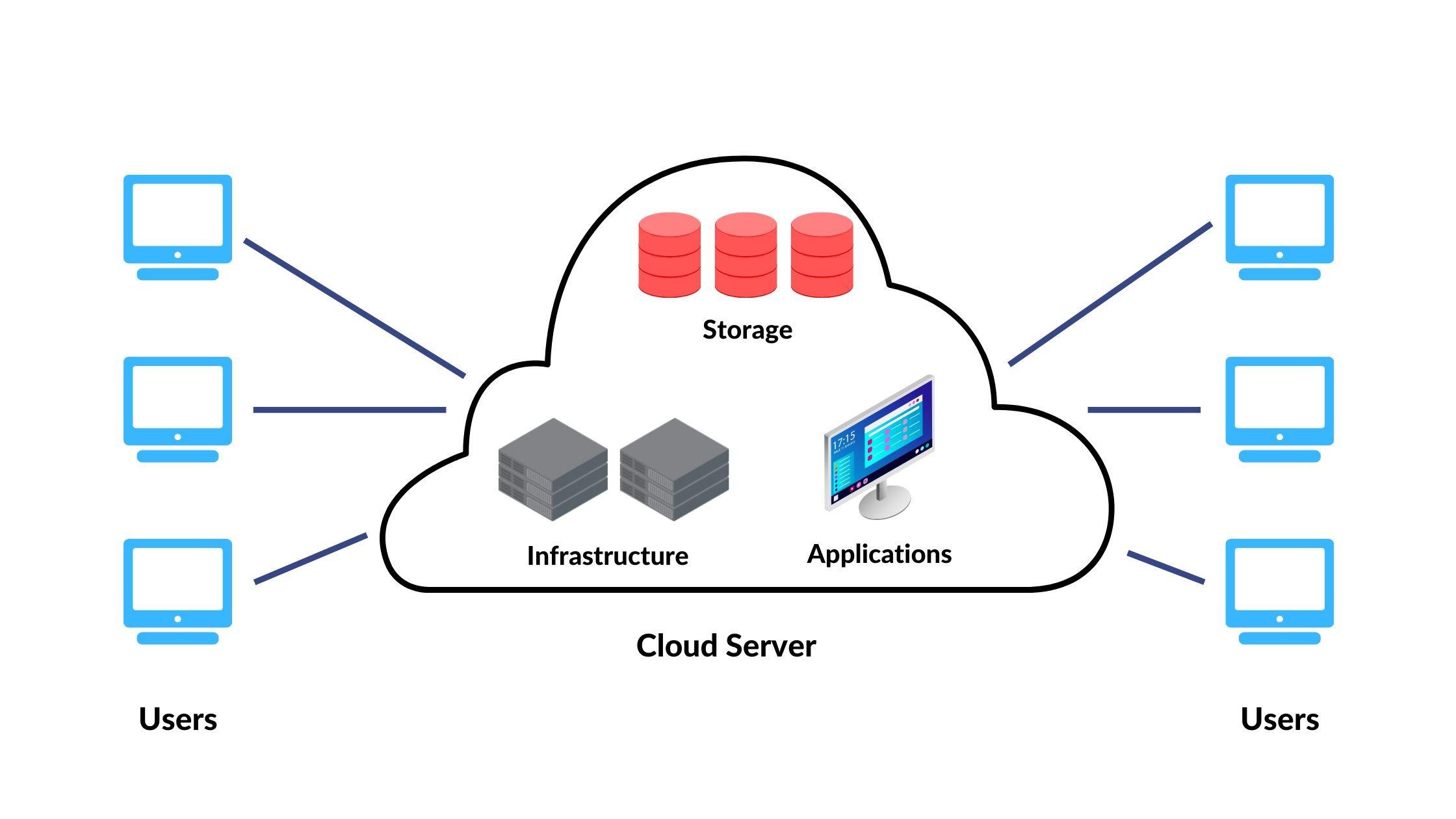
In the rapidly evolving landscape of technology, cloud hosting has emerged as a game-changing solution for businesses of all sizes. As organizations increasingly seek agile, scalable, and cost-effective means to manage their IT infrastructure, the relevance of cloud hosting continues to grow. With the advent of innovative technologies and changing customer demands, the cloud hosting industry is undergoing a transformation that promises to redefine how we think about data management and deployment. In this article, we will delve into the key trends currently shaping the future of cloud hosting, from the rise of hybrid and multi-cloud strategies to the integration of artificial intelligence and edge computing. Join us as we explore how these developments are not only enhancing operational efficiency but also paving the way for a more collaborative, secure, and responsive digital environment.
Table of Contents
- Understanding the Emergence of Multi-Cloud Strategies
- The Role of Artificial Intelligence in Optimizing Cloud Resources
- Security Innovations Driving Trust in Cloud Solutions
- Navigating the Future: Best Practices for Cloud Migration Success
- The Conclusion
Understanding the Emergence of Multi-Cloud Strategies
The rise of multi-cloud strategies reflects a fundamental shift in how organizations are leveraging cloud technology to meet diverse business needs. Rather than relying on a single cloud provider, businesses are increasingly choosing to distribute their workloads across multiple platforms. This approach enhances flexibility, mitigates risk, and offers greater opportunities for optimization. By carefully selecting the right services from various providers, organizations can harness the best features available in the market, while also ensuring that they are not locked into a single vendor. Key motivations behind this trend include:
- Cost Management: Optimizing expenses by choosing providers that offer the best pricing for specific workloads.
- Performance Optimization: Leveraging the unique strengths of different cloud platforms to enhance system performance.
- Data Sovereignty: Ensuring compliance with local regulations by selecting cloud services that align with geographical requirements.
Moreover, the complexity of today’s IT environments necessitates a multi-faceted approach to cloud strategy. As organizations expand their digital footprints, the ability to integrate various services and assurance in data portability becomes critical. Managing a multi-cloud architecture demands sophisticated orchestration and robust governance frameworks. To navigate this landscape, companies are increasingly investing in:
- Cross-Cloud Management Tools: Simplifying the process of monitoring and managing multiple cloud environments.
- Security Solutions: Implementing advanced security measures to protect data across different platforms.
- Training and Expertise: Building internal competencies to effectively manage a complex cloud ecosystem.
| Multi-Cloud Benefits | Examples |
|---|---|
| Enhanced Flexibility | Mixing public and private clouds based on workload needs |
| Risk Mitigation | Spreading workloads to avoid dependency on a single provider |
| Increased Performance | Selecting providers based on optimization capabilities |
The Role of Artificial Intelligence in Optimizing Cloud Resources
Artificial Intelligence (AI) is revolutionizing the way cloud resources are managed and optimized, enabling organizations to achieve enhanced efficiency and cost-effectiveness. Through techniques such as machine learning and predictive analytics, AI analyzes usage patterns in real-time, allowing for proactive adjustments to resource allocation. This dynamic approach helps in identifying peaks in demand and automating scaling processes, which leads to significant reductions in wastage and ensures that performance levels remain consistent, even during high traffic periods. By predicting resource needs before spikes occur, AI makes it possible to deliver seamless user experiences while minimizing operational costs.
Moreover, AI plays a pivotal role in enhancing security within cloud environments. It continuously monitors system behaviors to detect anomalies that may indicate potential security threats. By employing algorithms that learn from previous data breaches and vulnerabilities, AI systems can initiate immediate countermeasures and alert administrators, effectively reducing the response time to incidents. This not only safeguards sensitive information but also helps organizations comply with industry regulations and standards. Key benefits include:
- Increased Resource Utilization: Ensures cloud resources are used efficiently.
- Cost Savings: Reduces unnecessary expenditures through intelligent automation.
- Enhanced Security: Proactively identifies and mitigates threats.
- Improved Performance: Maintains optimal service levels continuously.
Security Innovations Driving Trust in Cloud Solutions
In an era where data breaches and cyber threats loom large, the adoption of innovative security protocols is paramount to ensuring confidence in cloud services. End-to-end encryption has emerged as a vital component in safeguarding sensitive information. By encrypting data both in transit and at rest, businesses can maintain the integrity of their data while complying with stringent regulatory requirements. Furthermore, zero-trust architecture is gaining traction, emphasizing that no user or device should be inherently trusted. This approach limits access to critical resources, significantly minimizing potential vulnerabilities.
The rise of machine learning and artificial intelligence in security tools is another game-changer. These technologies can analyze user behavior patterns to detect anomalies and respond to threats in real time. By automating threat detection and incident response, organizations can reduce the response time to potential security breaches. A key aspect contributing to the growing trust in cloud solutions is the implementation of multi-factor authentication and biometric access controls, which provide an extra layer of security. Together, these innovations forge a more secure cloud ecosystem that encourages businesses to embrace cloud hosting solutions confidently.
Navigating the Future: Best Practices for Cloud Migration Success
To ensure a seamless transition to the cloud, organizations must adopt a structured approach to migration. Start by assessing your current infrastructure to identify workloads that can benefit most from cloud capabilities. Create a detailed roadmap that outlines the timeline, necessary resources, and key performance indicators (KPIs) that will measure success. A successful migration also relies on thorough testing, so be sure to implement a pilot phase to evaluate performance and troubleshoot potential issues before scaling your full deployment. Continuous communication among stakeholders throughout this journey can foster collaboration and innovation.
Training and change management are critical components of cloud migration success. Equip your teams with the skills required to leverage new technologies effectively and foster a culture of adaptability to integrate cloud solutions into daily operations seamlessly. Additionally, consider the following best practices:
- Engage cloud experts to guide strategy and execution.
- Prioritize security by embedding compliance from the outset.
- Regularly review and optimize cloud spend to prevent cost overruns.
- Implement automated monitoring tools to maintain system performance.
| Best Practices | Description |
|---|---|
| Assessment | Evaluate your existing infrastructure for optimal cloud application. |
| Roadmap Creation | Develop a strategic plan outlining timelines and resources. |
| Pilot Testing | Run a small-scale trial before full deployment. |
| Security Focus | Incorporate compliance and security measures from the start. |
The Conclusion
As we wrap up our exploration of cloud hosting and its evolving landscape, it’s clear that this technology is not just a trend but a fundamental shift in how businesses operate and innovate. The key trends we’ve discussed—such as the rise of serverless architecture, enhanced security measures, and the growing importance of sustainability—are reshaping the way organizations approach their IT strategies. Embracing these changes will not only bolster operational efficiency but also position businesses to remain competitive in an increasingly digital world.
As we look to the future, staying informed and adaptive is crucial. The cloud continues to evolve, offering new opportunities for growth, scalability, and innovation. Whether you are a small startup or a large enterprise, understanding these trends will empower you to make informed decisions about your cloud strategy and harness the full potential of what cloud hosting has to offer.
Thank you for joining us on this journey through the cloud. We encourage you to stay curious and engaged as this exciting field continues to develop. Don’t hesitate to share your thoughts and experiences with cloud hosting in the comments below—let’s keep the conversation going!