
Essential Tips for Securing Your Data in Cloud Hosting
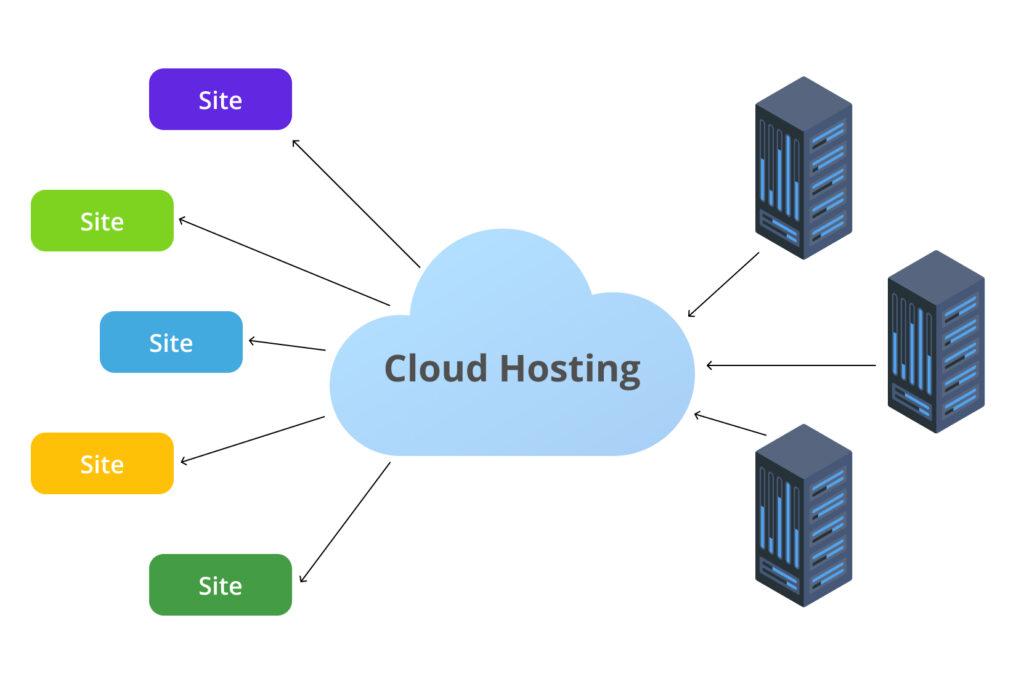
In today’s digital landscape, cloud hosting has become the backbone of business operations, offering unparalleled flexibility, scalability, and collaboration. However, with great convenience comes great responsibility, especially when it comes to protecting sensitive data. As organizations increasingly migrate their workloads to the cloud, understanding how to secure that data has never been more critical. In this article, we will explore essential tips for securing your data in cloud hosting, equipping you with the knowledge you need to safeguard your information against potential threats. From using robust encryption methods to implementing multi-factor authentication, we’ll cover practical strategies that can help you fortify your data security posture in the cloud. Whether you’re a small business owner or an IT professional, these insights will empower you to navigate the complexities of data protection in a cloud environment with confidence. Let’s dive in and explore how you can keep your data safe in the cloud.
Table of Contents
- Understanding Cloud Security Risks and Challenges
- Implementing Strong Access Controls and Authentication Measures
- Utilizing Encryption Techniques for Data Protection
- Regularly Conducting Security Audits and Compliance Checks
- Key Takeaways
Understanding Cloud Security Risks and Challenges
When engaging with cloud services, it’s crucial to recognize the myriad of security risks and challenges that can arise. Data breaches, where unauthorized individuals access sensitive information, are a prevalent concern that can have devastating effects on organizations. Additionally, misconfiguration of security settings can lead to vulnerabilities that hackers exploit, making it vital for companies to maintain strict oversight of their environments. To compound these issues, insider threats can arise from employees who may intentionally or inadvertently compromise data, necessitating comprehensive internal security protocols.
Another significant risk comes from the rapid evolution of technology, which can outpace security measures. As cloud platforms adopt new features and capabilities, the potential for vulnerabilities increases, making real-time monitoring essential. Moreover, organizations often face challenges related to compliance with regulatory requirements, which can be complicated by the multi-tenant nature of cloud services. Companies should regularly assess their cloud security strategies, focusing on the following key areas:
- Regular Audits: Conduct routine assessments of security practices.
- Education: Train employees on identifying and responding to threats.
- Incident Response Plans: Develop and maintain robust procedures for handling breaches.
Implementing Strong Access Controls and Authentication Measures
Establishing robust access controls is a critical step in safeguarding your data in cloud hosting environments. Start by defining user roles clearly, ensuring that individuals have access only to the information necessary for their roles. Implement the principle of least privilege, where users are granted minimum access rights to perform their tasks. Consider utilizing multi-factor authentication (MFA) to enhance security further. This layer of verification reduces the risk of unauthorized access by requiring users to provide multiple forms of identification before they can log in. Here are some essential practices to keep in mind:
- Regularly update access permissions to align with changes in personnel or project needs.
- Employ single sign-on (SSO) solutions to streamline user access while maintaining security protocols.
- Monitor access logs to detect and respond to unauthorized attempts promptly.
Furthermore, strong authentication measures play a crucial role in protecting sensitive information stored in the cloud. Utilize advanced techniques such as biometric authentication, which can provide a higher level of security by using unique characteristics such as fingerprints or facial recognition. Additionally, implementing a password management policy that enforces strong password creation can prevent common vulnerabilities. Utilize a simple matrix to demonstrate the strength of different password practices:
| Password Length | Complexity | Practice |
|---|---|---|
| 8-12 characters | Basic (letters only) | Weak |
| 12-16 characters | Moderate (letters + numbers) | Fair |
| 16+ characters | Advanced (letters + numbers + symbols) | Strong |
By integrating these practices into your cloud hosting strategy, you significantly enhance your data security posture and mitigate the risk of breaches.
Utilizing Encryption Techniques for Data Protection
Adopting robust encryption techniques is vital for safeguarding sensitive information stored in cloud environments. By implementing these methodologies, you can ensure that your data remains confidential and secure from unauthorized access. Key practices include:
- Data-at-Rest Encryption: This protects information that is stored on servers, databases, or storage devices by converting it into unreadable code.
- Data-in-Transit Encryption: Crucial for data being transmitted over networks, it secures data as it moves between devices, preventing interception.
- End-to-End Encryption: Utilizing this method ensures that data is encrypted on the sender’s side and only decrypted on the recipient’s end, adding an additional layer of security.
It’s equally important to evaluate the encryption standards utilized by your cloud service provider. Ensure they comply with industry benchmarks such as AES (Advanced Encryption Standard), which is widely regarded for its strength. Below is a comparison of encryption standards:
| Standard | Key Length | Efficiency | Usage |
|---|---|---|---|
| AES | 128/192/256 bits | High | Data-at-rest, in-transit |
| RSA | 2048/4096 bits | Moderate | Encryption of small amounts of data |
| 3DES | 168 bits | Low | Legacy systems |
By strategically employing these encryption techniques and verifying compliance with established standards, you can enhance the security of your data in cloud hosting environments, ensuring it remains protected against evolving threats.
Regularly Conducting Security Audits and Compliance Checks
To ensure that your data remains secure in cloud hosting environments, it is crucial to implement a structured approach to security audits and compliance checks. By regularly evaluating your security posture, you not only identify vulnerabilities but also adapt to changing regulatory requirements and evolving threats. Here are some essential aspects to consider:
- Frequency of Audits: Establish a regular schedule for conducting audits, whether quarterly, bi-annually, or annually, depending on your industry requirements.
- Documentation: Keep detailed records of all audits and compliance checks, as these documents can serve as proof of due diligence and commitment to security.
- Involve Experts: Engage third-party security professionals for an unbiased assessment; their expertise can bring fresh perspectives on potential risks.
- Address Findings Promptly: Develop a plan to address vulnerabilities identified during audits swiftly to minimize risk exposure.
In addition to the above points, ensure that your compliance checks span multiple frameworks and regulations, such as GDPR, HIPAA, and PCI-DSS. This holistic view not only protects your business but also builds trust with customers. Consider the following checkpoints during your compliance review:
| Compliance Framework | Key Considerations |
|---|---|
| GDPR | Data encryption and user consent management. |
| HIPAA | PHI security measures and employee training. |
| PCI-DSS | Payment data security and monitoring systems. |
Key Takeaways
securing your data in cloud hosting is not just a precaution; it’s a fundamental responsibility that every organization must embrace in our increasingly digital landscape. By implementing the essential tips outlined in this article—such as utilizing encryption, opting for two-factor authentication, regularly updating your software, and conducting thorough provider assessments—you can significantly enhance your data security posture. Remember, cybersecurity is a continuous journey, not a destination. Staying informed about emerging threats and adapting your strategies accordingly will ensure that your data remains safe and accessible when you need it most. As we navigate the complexities of cloud technology, let us prioritize security, protect our assets, and foster trust with those who rely on us. Thank you for reading, and stay safe in the cloud!