
Essential Strategies for Securing Your Data in Cloud Hosting
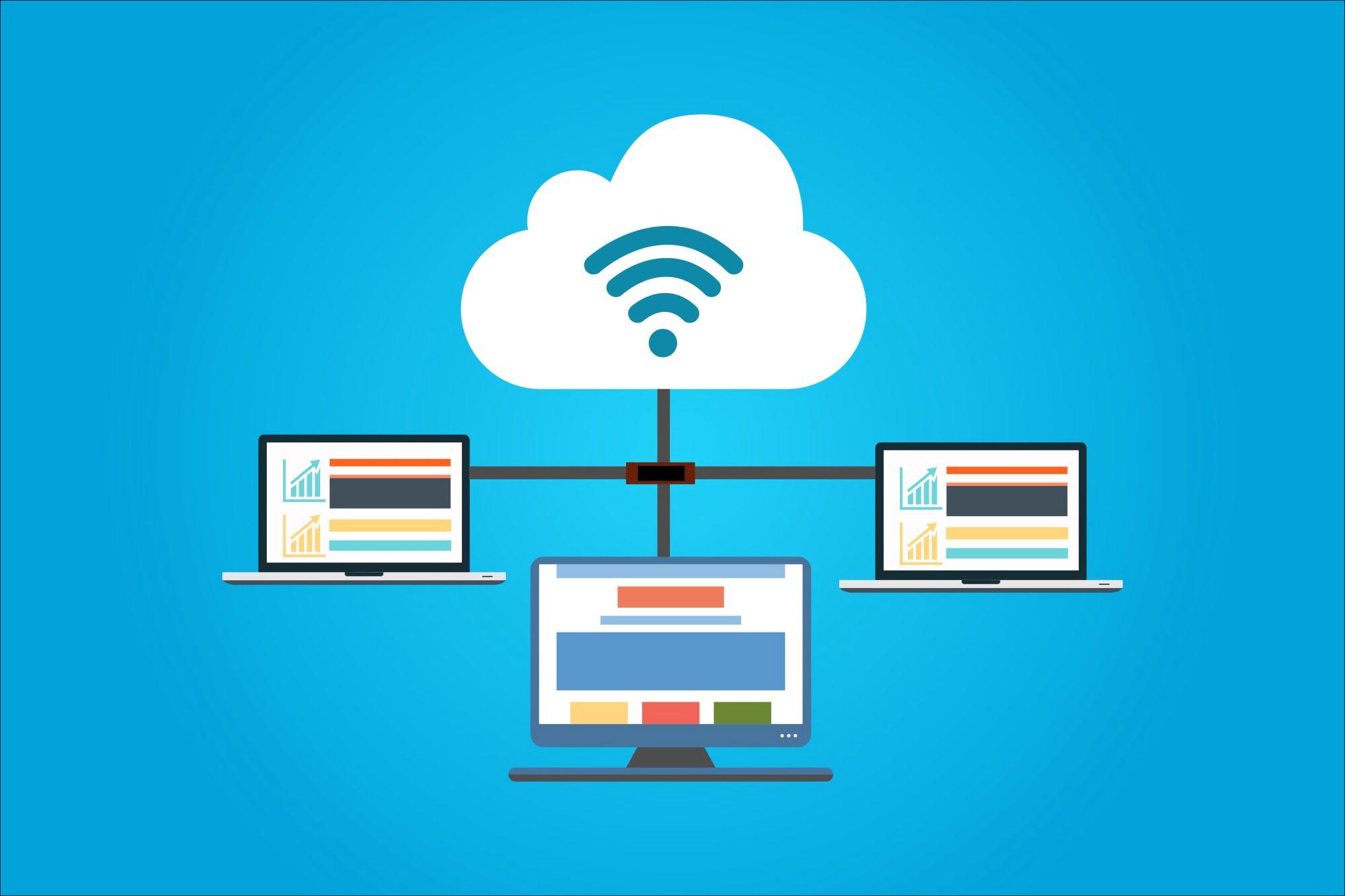
As businesses increasingly migrate their operations to the cloud, the importance of securing sensitive data has never been more critical. With vast amounts of information being stored and processed online, cloud hosting provides both unparalleled convenience and significant security challenges. Cyber threats are evolving rapidly, making it essential for organizations to adopt proactive strategies to protect their data from breaches, loss, and unauthorized access. In this article, we will explore essential strategies for securing your data in cloud hosting environments. By implementing these best practices, you can not only safeguard your valuable information but also ensure compliance with industry regulations, build trust with your customers, and enhance your overall cybersecurity posture. Whether you’re a small business or a large enterprise, understanding and applying these strategies is crucial to your success in the digital age. Let’s dive in and discover how to fortify your cloud security efforts.
Table of Contents
- Understanding Data Vulnerabilities in Cloud Environments
- Implementing Robust Access Controls and Authentication Measures
- Utilizing Encryption for Data Protection at Rest and in Transit
- Regularly Reviewing and Updating Your Cloud Security Policies
- To Conclude
Understanding Data Vulnerabilities in Cloud Environments
In cloud environments, data vulnerabilities can stem from a variety of factors, including misconfigurations, inadequate access controls, and data breaches. Organizations must be vigilant in identifying potential weaknesses that can expose sensitive information. Data leaks can occur not only through unauthorized access but also by improperly shared data or insecure application programming interfaces (APIs). To mitigate these risks, it’s crucial to implement robust security measures and adopt a proactive approach to data management. Key strategies to consider include:
- Regular Security Audits: Perform frequent assessments to identify and remediate vulnerabilities.
- Access Control Measures: Utilize the principle of least privilege to limit user access to necessary information only.
- Data Encryption: Encrypt data both at rest and in transit to protect against unauthorized access.
- Incident Response Planning: Develop a clear response strategy for potential data breaches to minimize impact.
Furthermore, organizations should be aware of third-party risks when utilizing cloud services. The reliance on external vendors introduces additional layers of complexity in the data security landscape. Understanding the shared responsibility model is imperative, as it delineates the security roles between the cloud provider and the user. Companies should ensure that third-party vendors adhere to strict security protocols to safeguard data integrity. An effective vendor assessment process can help address concerns and establish strong partnerships. A simple framework for evaluating vendors includes:
| Criteria | Key Questions |
|---|---|
| Compliance | Does the vendor comply with relevant regulations (e.g., GDPR, HIPAA)? |
| Security Practices | What security certifications do they hold (e.g., ISO 27001)? |
| Data Handling | How does the vendor manage data storage, transfer, and deletion? |
| Incident History | Have they experienced data breaches in the past, and how were they addressed? |
Implementing Robust Access Controls and Authentication Measures
To ensure the safety of your data in cloud hosting environments, is paramount. Begin by enforcing role-based access control (RBAC), which limits access to information based on the roles of individual users. This minimizes the potential for unauthorized access and data breaches. Additionally, consider integrating multi-factor authentication (MFA), which adds an additional layer of security by requiring users to provide two or more verification factors. This can significantly reduce the likelihood of unauthorized access, even if passwords are compromised.
Another effective strategy is to implement a zero-trust security model, where no user or device is trusted by default, regardless of whether they are inside or outside the network perimeter. Employing this approach ensures that continuous verification is required before granting access to sensitive data. Additionally, regularly review and update your access policies and authentication measures to account for changes in user roles or emerging threats. The following table outlines essential components for enhancing access security:
| Component | Description |
|---|---|
| Role-Based Access Control | Limits data access based on user roles to minimize risks. |
| Multi-Factor Authentication | Requires multiple forms of verification for added security. |
| Zero-Trust Security Model | Assumes no user is trustworthy by default, promoting constant verification. |
Utilizing Encryption for Data Protection at Rest and in Transit
Data security is paramount in the digital age, and employing encryption as a primary defense mechanism is crucial for safeguarding sensitive information from unauthorized access. When securing data at rest, which refers to data stored on servers or in databases, encryption transforms readable information into an unreadable format unless the correct decryption key is provided. This can be achieved using sophisticated algorithms such as AES (Advanced Encryption Standard) or RSA (Rivest-Shamir-Adleman), which ensure only authorized users can access the data. Key management practices are also essential, as proper handling and storage of encryption keys mitigate risks of potential breaches.
On the other hand, the protection of data in transit—when it is being transmitted over networks—ensures that sensitive information, such as customer details or payment data, remains secure during transfer. Utilizing protocols like SSL/TLS (Secure Socket Layer/Transport Layer Security) creates a secure tunnel for data exchanges, preventing interception by malicious actors. Additionally, consider implementing techniques such as VPNs (Virtual Private Networks) and IPsec (Internet Protocol Security) to further encrypt traffic across public networks, significantly reducing the risk of exposure to cyber threats. Here’s a quick overview of encryption types and their applicability:
| Encryption Type | Data State | Use Case |
|---|---|---|
| AES | At Rest | Database Encryption |
| RSA | At Rest | Email Security |
| SSL/TLS | In Transit | Web Traffic Security |
| IPsec | In Transit | VPN Connections |
Regularly Reviewing and Updating Your Cloud Security Policies
In the fast-evolving landscape of cloud technology, it’s crucial to keep your security policies not only relevant but also effective. Cloud environments are often dynamic, with new threats emerging constantly, making it imperative to conduct regular audits and evaluations of your existing protocols. Consider implementing the following strategies to ensure your cloud security policies remain robust:
- Frequent Assessments: Schedule periodic reviews of your security measures to identify vulnerabilities and gaps.
- Policy Updates: Update your policies to reflect changes in technology, compliance requirements, and threat landscapes.
- Employee Training: Conduct regular training sessions to keep your team informed about the latest security practices and risks.
- Benchmarking: Compare your policies against industry standards and best practices to find areas for improvement.
To facilitate this ongoing evaluation process, consider maintaining a centralized document that tracks changes to your policies, along with the reasons for those changes. A simple table could help visualize this info:
| Date | Change Made | Reason for Change |
|---|---|---|
| 2023-01-15 | Updated encryption standards | New vulnerabilities discovered |
| 2023-05-10 | Revised user access controls | Compliance requirement changes |
| 2023-09-05 | Implemented phishing awareness training | Increased phishing incidents observed |
By fostering a culture of continuous improvement through regular reviews, organizations can better safeguard their data and adapt swiftly to new challenges. This proactive approach not only strengthens your overall security posture but also builds trust with clients and stakeholders, as they see your commitment to data protection in an ever-changing digital landscape.
To Conclude
securing your data in cloud hosting is not just an option; it’s a necessity in today’s digital landscape. By adopting the essential strategies outlined in this article—such as implementing robust access controls, utilizing data encryption, and regularly updating your security protocols—you can significantly enhance the protection of your sensitive information. Remember, the responsibility of data security is shared between you and your cloud provider, so it’s crucial to choose a partner that prioritizes security and compliance.
As you navigate the complexities of cloud solutions, keep in mind that a proactive approach to data security can safeguard your business against threats while ensuring compliance with regulations. We encourage you to review your cloud security measures regularly and adapt to new challenges as they arise. With diligent effort and a commitment to best practices, you can enjoy the numerous benefits of cloud hosting without compromising your data integrity.
Thank you for joining us on this journey to better understand cloud data security. Stay informed, stay secure, and empower your organization to thrive in the cloud. For more insights and updates, don’t hesitate to subscribe to our blog and share your thoughts in the comments below!