
Unlocking SEO Success: The Influence of Shared Hosting
In the ever-evolving digital landscape, where visibility is paramount, the quest for effective Search Engine Optimization (SEO) strategies continues to be a top priority for businesses of all sizes. As the foundation upon which websites are built, hosting services play a critical role in determining not only your site’s performance but also its ability to climb the ranks of search engine results. Among the various hosting options available, shared hosting is often overlooked, yet it can be a powerful ally in your SEO journey when understood and utilized effectively. In this article, we’ll explore the intricate relationship between shared hosting and SEO success, shedding light on how the right hosting choice can enhance your website’s speed, reliability, and overall user experience—key factors that search engines prioritize. Whether you’re just starting a new venture or reevaluating your current online presence, understanding the impact of shared hosting can unlock new pathways to achieving your SEO goals. Let’s dive into the nuances of how shared hosting might be the game-changer you didn’t know you needed.
Table of Contents
- The Relationship Between Shared Hosting and Website Performance
- How Shared Hosting Affects SEO Ranking Factors
- Best Practices for Optimizing SEO in a Shared Hosting Environment
- Choosing the Right Shared Hosting Provider for SEO Success
- Future Outlook
The Relationship Between Shared Hosting and Website Performance
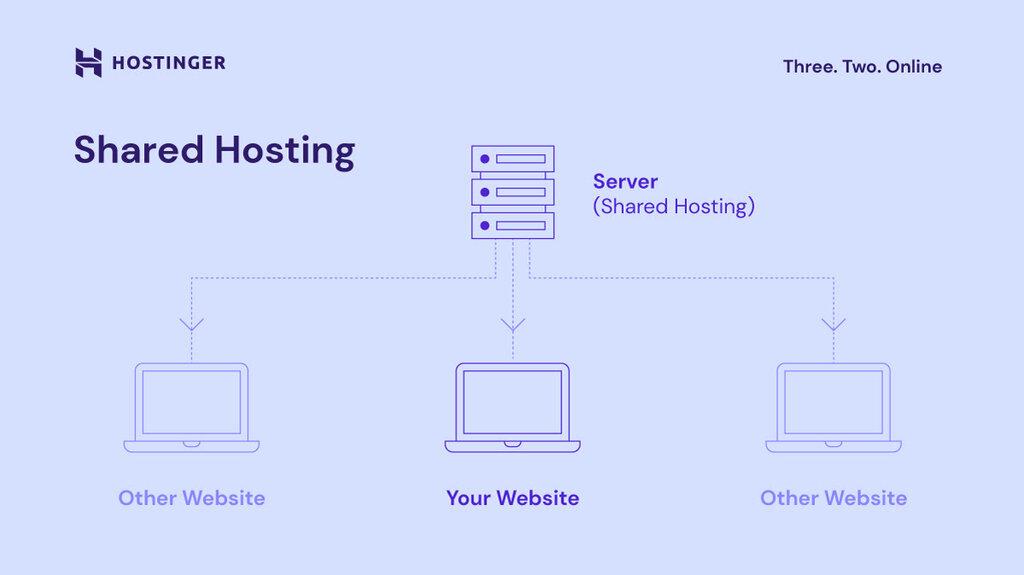
The choice of a shared hosting plan can significantly impact your website’s performance, which, in turn, affects your SEO rankings. In a shared hosting environment, multiple websites share the same server resources, including CPU, RAM, and bandwidth. This scenario can lead to fluctuations in performance as other websites on the server can consume resources, slowing down your site. For instance, during peak traffic hours, users may experience longer load times, resulting in higher bounce rates and negatively influencing your site’s credibility with search engines. Fast loading times are crucial for retaining visitors and improving user experience, which are essential factors that search engines consider for ranking.
Moreover, shared hosting can limit your website’s scalability, which can pose challenges as your online presence grows. Depending on your hosting provider, you may encounter restrictions that can hinder your ability to optimize your site effectively. When evaluating shared hosting options, take note of these factors:
- Server Uptime: Ensure high availability to avoid downtimes.
- Resource Allocation: Check limits on bandwidth and storage.
- Support and Maintenance: Look for reliable technical support options.
Understanding these dynamics can help you make an informed decision regarding your hosting solution, ultimately aiding your SEO success and overall website performance.
How Shared Hosting Affects SEO Ranking Factors
Shared hosting can play a pivotal role in determining your website’s SEO performance. When multiple websites share the same server resources, their collective impact can either enhance or hinder your SEO rankings. Since server response time is a critical ranking factor, shared hosting can lead to slower loading speeds if other sites on the server experience traffic spikes. Search engines prioritize fast-loading websites, so slower speeds can negatively affect user experience and search rankings. Additionally, if the other websites on the shared server engage in dubious SEO practices, it could reflect poorly on your site and potentially lead to penalties from search engines.
Moreover, the IP address assigned to shared hosting can affect your website’s credibility. If your site is sharing an IP address with sites that have been flagged for spammy practices, search engines could associate your site with those negative signals. Consider these key factors when evaluating the impact of shared hosting on SEO:
- Server Uptime: Frequent downtime can lead to site indexing issues.
- Website Speed: Slower servers impact your site’s loading time.
- IP Reputation: A poor neighboring site’s reputation can affect yours.
| Factor | Impact on SEO |
|---|---|
| Server Response Time | Slower response times can lead to lower rankings. |
| Website Uptime | Frequent downtimes can result in loss of indexed pages. |
| IP Address Quality | Sharing with spamming sites can hurt your reputation. |
Best Practices for Optimizing SEO in a Shared Hosting Environment
Optimizing SEO in a shared hosting environment requires a strategic approach to ensure your website performs well amidst the constraints of shared resources. Page speed is crucial; slow-loading websites can lead to higher bounce rates and lower search engine rankings. To enhance loading times, consider employing techniques such as:
- Image Optimization: Compress images to reduce file sizes without compromising quality.
- Minification: Reduce the size of CSS, JavaScript, and HTML files by eliminating unnecessary characters.
- Browser Caching: Enable caching to allow repeat visitors to load pages faster.
Furthermore, maintaining a clean and well-structured website can improve your SEO standing. Use a clear hierarchy in your content, utilize internal linking to enhance navigation, and ensure that all URLs are optimized and descriptive. Consider implementing a reliable content delivery network (CDN) to facilitate faster content access for users across global locations. You can also track your site’s performance using tools like Google Analytics to identify areas needing improvement. Here’s a simple comparison of hosting plans that might influence your SEO strategy:
| Hosting Plan | Speed (ms) | Storage (GB) | SEO Impact |
|---|---|---|---|
| Basic Shared Plan | 600 | 10 | Lower |
| Premium Shared Plan | 300 | 20 | Moderate |
| Business Shared Plan | 150 | 50 | Higher |
Choosing the Right Shared Hosting Provider for SEO Success
When selecting a shared hosting provider, it’s vital to consider key factors that directly impact your SEO performance. Prioritize providers that offer high uptime rates, ideally above 99.9%, as downtime can lead to search engines de-ranking your site. Additionally, ensure that your hosting service supports fast loading speeds, which is crucial for a positive user experience and a factor that search engines consider in their ranking algorithms. Here are some essential features to look for:
- Scalability options for future growth
- SSL certificates for secure connections
- Regular backups to protect your data
- SEO-friendly tools and integrations
Another critical aspect is the location of the shared hosting server. Proximity to your target audience can enhance loading speeds and improve user engagement metrics, both of which contribute positively to SEO. Moreover, check for customer support quality, as a responsive and knowledgeable support team can help you address issues that may arise quickly and effectively. To evaluate potential providers, consider the following factors:
| Provider | Uptime Guarantee | Loading Speed | Support Rating |
|---|---|---|---|
| Host A | 99.99% | Fast | 24/7 |
| Host B | 99.95% | Moderate | Weekdays |
| Host C | 99.9% | Fastest | 24/7 |
Future Outlook
understanding the intricate relationship between shared hosting and SEO is essential for anyone looking to boost their online presence. While shared hosting offers an attractive price point and accessibility, it can also present challenges that may hinder your website’s performance and search visibility. By choosing a reputable shared hosting provider and implementing the right strategies, you can harness the advantages of this cost-effective solution while minimizing potential drawbacks.
Remember, in the competitive landscape of digital marketing, every detail matters. Regularly assess your hosting services, optimize your website, and stay informed about SEO best practices to ensure you’re not just surviving, but thriving in search engine results.
Thank you for joining us on this journey to unlocking SEO success through shared hosting. We hope you found valuable insights to help you elevate your website’s performance. Don’t hesitate to share your experiences or questions in the comments below, and be sure to stay tuned for our upcoming articles on further enhancing your digital strategy. Happy optimizing!