
Unlocking Savings: The Cost-Effectiveness of SaaS for SMBs
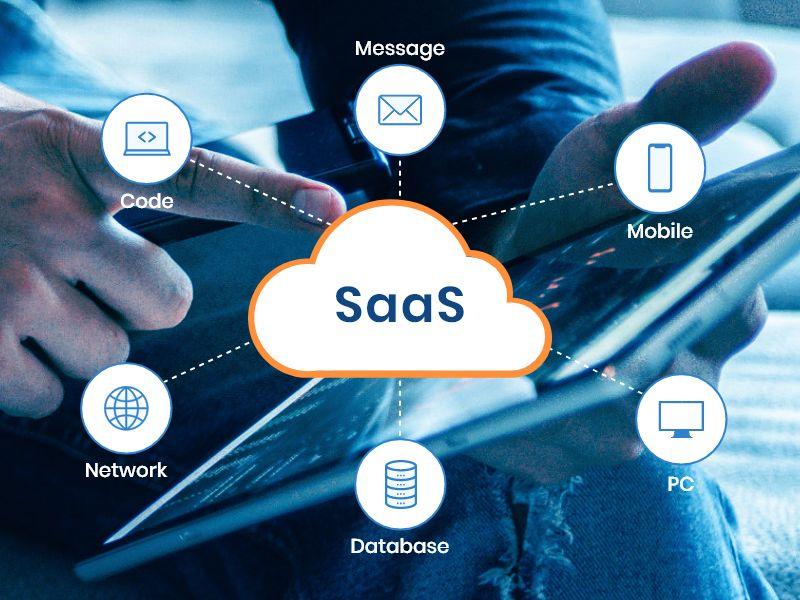
In today’s fast-paced digital landscape, small and medium-sized businesses (SMBs) are constantly seeking ways to enhance their operations while keeping a close eye on costs. As technology continues to evolve, Software as a Service (SaaS) has emerged as a game-changer, offering a viable and cost-effective solution for businesses looking to streamline processes, improve productivity, and ultimately boost their bottom line. In this article, we will explore the myriad advantages of SaaS for SMBs—delving into how these cloud-based applications not only reduce overhead costs but also provide scalability and flexibility. Join us as we unlock the savings potential inherent in adopting SaaS solutions, and discover how they can empower your business to thrive in an increasingly competitive market.
Table of Contents
- Understanding the Financial Benefits of SaaS for Small and Medium Businesses
- Evaluating Essential Features That Maximize Cost Efficiency
- Strategies for Seamless SaaS Implementation in SMBs
- Future Trends in SaaS: Preparing Your Business for Long-Term Savings
- The Conclusion
Understanding the Financial Benefits of SaaS for Small and Medium Businesses
In the realm of financial management, small and medium businesses (SMBs) often face unique challenges that larger enterprises may not encounter. One of the most compelling advantages of adopting Software as a Service (SaaS) is its inherent cost-effectiveness. By leveraging cloud-based solutions, SMBs can significantly reduce their overhead costs typically associated with traditional software models. With SaaS, businesses only pay for what they use, eliminating hefty upfront license fees and minimizing the need for ongoing IT maintenance. Some of the key financial benefits include:
- No Hardware Costs: Since the software is hosted in the cloud, there’s no need for expensive servers or hardware upgrades.
- Scalability: SaaS solutions allow businesses to scale their usage as needed, which helps in controlling costs associated with growth.
- Predictable Expenses: With a subscription-based pricing model, SMBs can forecast their budgets with greater accuracy.
Moreover, SaaS solutions often come with automatic updates, ensuring that businesses can access the latest features and security protocols without incurring additional costs. This dynamic environment enables SMBs to stay competitive without the burden of continuous capital investment. To illustrate the comparative savings, consider the following simple breakdown:
| Traditional Software Costs | SaaS Costs |
|---|---|
| Initial License Fee: $1,000 | Monthly Subscription: $50 |
| Annual Maintenance: $200 | Includes Maintenance |
| Hardware Costs: $500 | No Hardware Required |
| Total Year 1 Cost: $1,700 | Total Year 1 Cost: $600 |
This comparison underscores the potential for substantial savings SMBs can achieve when making the switch to SaaS platforms, enabling them to allocate more resources towards growth and innovation.
Evaluating Essential Features That Maximize Cost Efficiency
When considering the adoption of Software as a Service (SaaS) solutions, small and medium-sized businesses (SMBs) should focus on several key features that can significantly enhance their cost efficiency. Scalability is essential; as businesses grow, their software needs will change. SaaS platforms often allow for easy adjustments in the number of users and features, which helps avoid overspending on unused capabilities. Integration options also play a crucial role, enabling SMBs to link existing tools and automate processes, thereby reducing manual workload and eventual operational costs.
Another important aspect is user-friendliness. Platforms that offer intuitive interfaces can reduce the need for extensive training and lead to quicker onboarding, ultimately saving time and money. Furthermore, a strong customer support system can minimize disruption and downtime, protecting revenue streams. Businesses should also evaluate the total cost of ownership (TCO) which encompasses not just subscription fees, but potential savings from increased productivity and reduced IT resource requirements. Below is a brief overview that outlines these critical features:
| Feature | Benefit |
|---|---|
| Scalability | Cost effective growth without overspending |
| Integration | Automation of processes and streamlined operations |
| User-friendliness | Quicker onboarding and reduced training costs |
| Customer Support | Minimized downtime, maximizing revenue protection |
| Total Cost of Ownership | Holistic view of savings beyond just fees |
Strategies for Seamless SaaS Implementation in SMBs
To ensure that the adoption of Software as a Service (SaaS) generates maximum benefits, small and medium-sized businesses (SMBs) should focus on a few key strategies. First, conducting a thorough needs assessment can help identify which SaaS solutions align with business objectives. This can include evaluating operational workflows, identifying pain points, and considering scalability as the business expands. Second, involving employees in the decision-making process fosters buy-in and ensures that the selected tools meet the actual needs of the teams that will use them.
Furthermore, a well-structured implementation plan is essential for a smooth transition. Essential steps include:
– Setting clear timelines and milestones
– Providing comprehensive training for all users
– Establishing a feedback loop to address any concerns post-implementation.
A focus on continuous evaluation can ensure that the chosen SaaS tools evolve with changing business needs. The integration of these strategies not only enhances user experience but also maximizes the cost-effectiveness of the SaaS solutions deployed within SMBs.
Future Trends in SaaS: Preparing Your Business for Long-Term Savings
As technology continues to advance, the Software as a Service (SaaS) model is rapidly evolving, presenting new opportunities for small and medium-sized businesses (SMBs) to maximize efficiency and reduce costs. Emerging trends indicate a shift toward more customizable solutions, allowing businesses to tailor software to their specific needs without significant upfront investment. Key focus areas include:
- Integration of AI and Machine Learning: Enhanced analytics and predictive capabilities will streamline operations and inform strategic decisions.
- Increased Subscription Flexibility: More providers are offering tiered pricing and pay-as-you-go plans, making it easier for SMBs to adjust their expenses according to current needs.
- Focus on Security and Compliance: As data protection becomes paramount, SaaS platforms are prioritizing robust security measures and compliance certifications to protect sensitive information.
Moreover, with the rapid growth of remote work, SaaS solutions are increasingly accommodating a distributed workforce. This change is not just a passing trend but a fundamental shift in how businesses operate, and it directly influences long-term savings. By adopting cloud-based software, companies can also take advantage of:
| Benefit | Impact on Cost |
|---|---|
| Reduced IT Overhead | Lower expenses on hardware and maintenance |
| Scalability | Cost-effective expansion options without major investments |
| Automatic Updates | No additional costs for software upgrades |
These strategic advantages not only translate to immediate financial savings but also position businesses to adapt rapidly to market changes. By staying informed about these trends and implementing flexible SaaS solutions, SMBs can ensure they are well-prepared for whatever the future may hold.
The Conclusion
as small and medium-sized businesses (SMBs) navigate an increasingly competitive landscape, the cost-effectiveness of Software as a Service (SaaS) presents an unparalleled opportunity for growth and efficiency. By prioritizing flexible solutions that fit their unique needs, SMBs can not only unlock significant savings but also enhance their operational agility and responsiveness. SaaS empowers businesses to scale effectively while minimizing upfront investments, allowing them to focus on innovation and customer satisfaction.
As you consider the next steps for your business, remember that embracing SaaS can be a pivotal move in your journey towards financial prudence and operational excellence. By making informed decisions and leveraging the right tools, you can position your business for success in a digital age. Here’s to unlocking the full potential of your organization—one subscription at a time.