
How SaaS Transforms and Streamlines Sales Processes Effectively
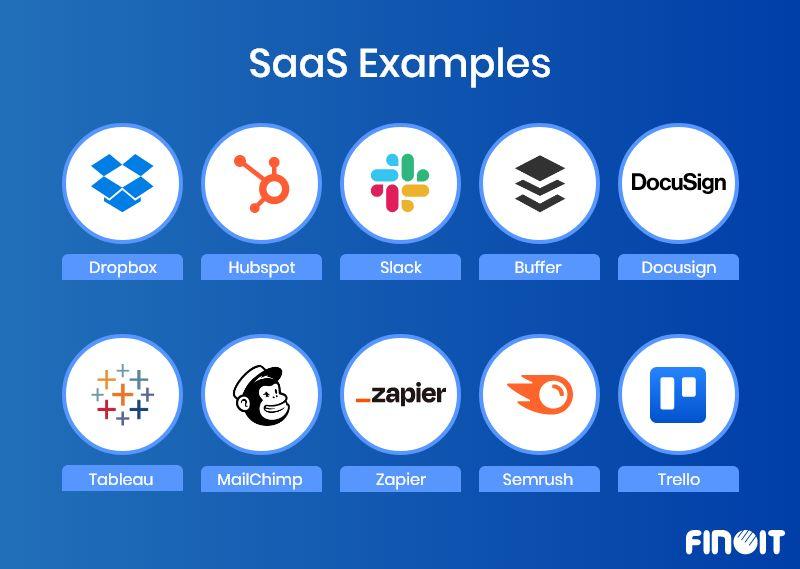
In today’s fast-paced business landscape, organizations are continually seeking ways to enhance their sales processes, driving both efficiency and effectiveness. Enter Software as a Service (SaaS)—a game-changing approach that is revolutionizing how sales teams operate. With its ability to streamline workflows, automate routine tasks, and facilitate real-time collaboration, SaaS solutions are empowering sales professionals to focus more on building relationships and closing deals rather than getting bogged down by cumbersome administrative duties. In this article, we will explore the multifaceted ways SaaS transforms sales processes, enabling businesses to not only adapt to the evolving market demands but also gain a competitive edge. From lead management to customer relationship strategies, we’ll delve into the key features of SaaS platforms that are reshaping the sales landscape and ultimately driving greater success for organizations of all sizes. Whether you’re a sales leader looking to refine your team’s operations or a business owner aiming to boost overall productivity, understanding the transformative power of SaaS in sales is essential for navigating the future of commerce.
Table of Contents
- Enhancing Customer Engagement through Automated Communication
- Utilizing Data Analytics for Informed Sales Decision-Making
- Integrating CRM Solutions for Seamless Workflow Management
- Leveraging AI-driven Insights to Optimize Sales Strategies
- Key Takeaways
Enhancing Customer Engagement through Automated Communication
In the competitive landscape of sales, leveraging automated communication tools can significantly boost customer engagement. By utilizing technologies such as chatbots, email automation, and personalized messaging, businesses can ensure that their communications are timely, relevant, and contextually appropriate. This approach allows sales teams to engage with potential clients proactively, as automation facilitates instant responses to inquiries, nurturing leads more effectively. Key aspects of automated communication include:
- Instantaneous Responses: Automation enables 24/7 availability, providing immediate answers to customer questions.
- Personalization at Scale: Tailored messages based on customer behaviour and preferences create a more engaging experience.
- Data-Driven Insights: Automated systems can analyze interactions, helping to refine communication strategies.
Moreover, the integration of automation within customer relationship management (CRM) systems enhances seamless interactions along the sales journey. For instance, automated follow-ups can be scheduled after each customer interaction, ensuring no potential lead falls through the cracks. A well-structured approach to automated communication can also yield measurable results. Consider the following table illustrating typical metrics pre- and post-automation:
| Metric | Before Automation | After Automation |
|---|---|---|
| Response Time | 24 hours | Instant |
| Lead Engagement Rate | 20% | 45% |
| Conversion Rate | 2% | 5% |
This data showcases the transformative impact of automating communication processes not only on engagement but also on overall sales performance. By tapping into these innovations, businesses can create a more interactive environment that resonates well with customers, ultimately leading to greater satisfaction and loyalty.
Utilizing Data Analytics for Informed Sales Decision-Making
Data analytics is an invaluable tool that empowers sales teams to make informed decisions based on solid evidence rather than intuition. By leveraging real-time analytics, businesses can gain insights into customer behaviour, preferences, and purchasing patterns. This enables sales professionals to identify trends and opportunities in the market, optimizing their strategies accordingly. Some key benefits of utilizing data analytics in sales decision-making include:
- Enhanced Customer Insights: Segmentation and profiling help in targeting the right audience.
- Increased Lead Quality: Focus on high-potential leads based on data-backed assessments.
- Predictive Analytics: Anticipate customer needs and future sales trends effectively.
Moreover, integrating data-driven tools with sales processes helps teams to track performance metrics, enabling a feedback loop for continuous improvement. Sales dashboards, built on advanced analytics, provide a visual representation of key performance indicators (KPIs) that allow teams to assess their success and make adjustments swiftly. Consider the following table that contrasts traditional and data analytics-driven sales approaches:
| Aspect | Traditional Approach | Data-Driven Approach |
|---|---|---|
| Decision-Making | Intuition-based | Evidence-based |
| Customer Understanding | Generic Insights | Detailed Segmentation |
| Sales Strategy | Static Plans | Adaptive Strategies |
Integrating CRM Solutions for Seamless Workflow Management
Integrating CRM solutions into your sales processes can significantly enhance efficiency and productivity, leading to better customer relationships and increased revenue. By streamlining operations, businesses can minimize manual tasks and focus on what truly matters—building strong connections with their clients. Key benefits of CRM integration include:
- Centralized Data Management: All customer data is stored in one location, making it easy for sales teams to access and manage.
- Automated Follow-ups: Set reminders and automated email follow-ups to ensure timely communication with leads.
- Enhanced Reporting: Generate detailed insights on sales performance and customer interactions, allowing for data-driven decisions.
The integration process, however, must be handled strategically to avoid disruption. Companies should consider using cloud-based solutions that offer compatibility with existing systems, facilitating a smoother transition. A successful integration plan might include:
| Step | Description |
|---|---|
| Assessment | Evaluate current processes and identify areas for improvement. |
| Customization | Tailor CRM features to meet specific business needs. |
| Training | Provide comprehensive training for all users to ensure effective utilization. |
| Monitoring | Regularly review the integration’s impact and make necessary adjustments. |
Leveraging AI-driven Insights to Optimize Sales Strategies
Harnessing AI-driven insights allows sales teams to refine their strategies with precision and adaptability. By analyzing vast amounts of customer data, these intelligent systems can uncover patterns and trends that may not be immediately evident. This data-driven approach empowers teams to:
- Identify high-potential leads: AI can score leads based on their likelihood to convert, allowing sales reps to prioritize their efforts efficiently.
- Personalize engagement: Insights from AI can tailor messaging and approaches to individual customer needs, improving the chances of successful interactions.
- Optimize pricing strategies: Machine learning algorithms can analyze market trends and competitor pricing, helping businesses set their prices competitively and maximize profit margins.
Moreover, leveraging these insights not only enhances immediate sales tactics but also supports long-term strategy formation. With AI algorithms continuously learning from new data, organizations can remain agile in an ever-shifting marketplace. Key benefits include:
- Real-time analytics: Teams can access live data dashboards that inform decision-making on the fly.
- Enhanced forecasting: AI models can predict future sales trends more accurately, assisting in inventory and staffing decisions.
- Closing performance tracking: Analysis of individual and team performance empowers coaching and development tailored to specific areas of improvement.
| AI Advantages | Sales Impact |
|---|---|
| Lead Scoring | Increased conversion rates |
| Customer Segmentation | Targeted marketing efforts |
| Sales Forecasting | Better inventory management |
Key Takeaways
the integration of Software as a Service (SaaS) into sales processes is undeniably reshaping the landscape of modern business. By enhancing collaboration, automating repetitive tasks, and providing valuable data insights, SaaS empowers sales teams to focus on what they do best: building relationships and closing deals. As we have explored, the transformative power of SaaS not only streamlines operations but also drives efficiency, enabling organizations to respond agilely to market changes and customer needs.
As companies continue to evolve in an increasingly competitive environment, embracing SaaS solutions will be crucial to staying ahead of the curve. The future of sales is here, and it’s powered by the cloud. For businesses looking to optimize their sales strategies, now is the time to leverage these innovative tools to elevate performance and drive sustainable growth.
Thank you for reading! We hope this article has provided valuable insights into how SaaS can revolutionize your sales processes. If you’re considering implementing a SaaS solution in your organization, don’t hesitate to explore the many options available to find the perfect fit for your team’s needs. Here’s to transforming your sales approach and achieving greater success in the digital age!