
Exploring the Future of Hosting Software: Trends & Innovations
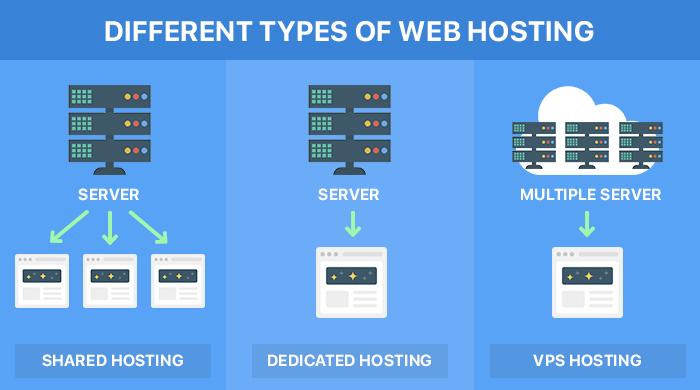
In the rapidly evolving digital landscape, the hosting software industry stands at the forefront of innovation, shaping the way businesses and individuals manage their online presence. As technology continues to advance, the demand for more efficient, scalable, and secure solutions has never been greater. From cloud-based infrastructures to the rise of containerization, the future of hosting software is brimming with exciting trends and groundbreaking innovations. In this article, we will delve into the latest developments that are redefining hosting environments, exploring how these changes can empower users, enhance performance, and ultimately transform the way we think about web hosting. Join us as we navigate the complexities of this dynamic field and uncover what lies ahead for hosting software in the years to come.
Table of Contents
- Emerging Technologies Shaping Hosting Solutions
- The Impact of Artificial Intelligence on Hosting Efficiency
- Sustainability in Hosting: Innovations for Eco-Friendly Services
- Navigating Security Challenges in Modern Hosting Environments
- To Wrap It Up
Emerging Technologies Shaping Hosting Solutions
As the digital landscape continues to evolve, cloud computing stands at the forefront, tremendously influencing hosting solutions. This technology not only offers scalability and flexibility but also enables businesses to utilize resources more efficiently. With the adoption of multi-cloud strategies, organizations can leverage services from various providers, thus enhancing reliability and reducing dependency on a single vendor. Moreover, the rise of edge computing facilitates faster data processing at the local level, significantly improving response times for users while ensuring that applications remain efficient and effective.
Another pivotal trend is the integration of artificial intelligence (AI) and machine learning (ML) into hosting solutions. These technologies are used to monitor performance and enhance security protocols, minimizing downtime and potential breaches. By leveraging AI, hosting providers can analyze patterns and anticipate issues before they escalate into serious problems. Additionally, innovative containers and orchestration tools, like Kubernetes, are transforming the deployment process, allowing developers to manage applications seamlessly across multiple environments. This growing reliance on automation not only streamlines operations but also fosters a more agile infrastructure.
The Impact of Artificial Intelligence on Hosting Efficiency
The integration of artificial intelligence into hosting systems is revolutionizing the way resources are managed and optimized. By leveraging advanced algorithms and machine learning techniques, AI is able to analyze vast amounts of data in real-time, facilitating smarter decision-making processes. This results in improved resource allocation and enhanced scalability, which can adapt to fluctuating demands without compromising performance. Key benefits of AI in hosting efficiency include:
- Automation of Infrastructure Management: Routine tasks such as server maintenance and updates can be automated, freeing up IT resources for more strategic initiatives.
- Predictive Analytics: AI can foresee traffic spikes and adjust resources proactively to maintain optimal website performance.
- Enhanced Security: AI enhances threat detection capabilities by identifying patterns and anomalies that may indicate cyber threats, allowing for swift responses.
Furthermore, AI-driven hosting solutions are increasingly utilizing intelligent load balancing to ensure that web applications run smoothly under various conditions. By analyzing current loads and predicting future traffic patterns, these systems can dynamically distribute workloads across servers. This not only improves the user experience but also minimizes downtime. The following table summarizes some innovative AI applications in hosting:
| AI Application | Description |
|---|---|
| Resource Optimization | Improves CPU and memory allocation based on live usage data. |
| Real-Time Monitoring | Tracks performance metrics continuously for immediate insights. |
| Intelligent Caching | Stores frequently accessed data to reduce load times. |
Sustainability in Hosting: Innovations for Eco-Friendly Services
As the urgency for eco-friendly practices rises, hosting providers are innovating to integrate sustainability into their services. This shift is not only crucial for the environment but also meets the growing consumer demand for green solutions. Here are some key advancements shaping eco-friendly hosting:
- Energy-Efficient Data Centers: New technologies are being implemented to reduce power consumption, such as advanced cooling systems and energy-efficient hardware.
- Renewable Energy Sources: Many hosting companies are transitioning to renewable energy, such as solar or wind, to power their data centers.
- Carbon Offset Programs: Providers are investing in carbon offset initiatives to compensate for their ecological footprint.
Furthermore, these innovations go beyond operational adjustments; they influence how software is developed and utilized. Hosting platforms are now adopting practices that facilitate:
- Server Virtualization: Reducing the number of physical servers in use, which lowers energy consumption.
- Green Coding Practices: Encouraging developers to write code that minimizes resource use and increases efficiency.
- Client Education: Offering resources and tools to help users understand their energy consumption and make greener choices.
| Innovation | Description |
|---|---|
| Energy-Efficient Hardware | Utilizing hardware that consumes less energy while maintaining performance. |
| Green Certifications | Achieving certifications like ISO 14001 to demonstrate commitment to sustainability. |
| Community Engagement | Involvement in local green initiatives to promote environmental responsibility. |
Navigating Security Challenges in Modern Hosting Environments
As hosting environments continue to evolve with the rise of cloud computing, the attack surface has expanded significantly. Cyber threats are becoming more sophisticated, leading to a pressing need for enhanced security protocols. Organizations are increasingly adopting multi-layered security measures to mitigate risks, including:
- AI-Driven Threat Detection: Leveraging artificial intelligence to identify and respond to threats in real-time.
- Zero Trust Architecture: Implementing strict access controls to verify each user and device.
- Encryption Standards: Utilizing advanced encryption techniques to protect sensitive data in transit and at rest.
Furthermore, compliance with regulatory frameworks such as GDPR and CCPA has become essential for hosting providers. The implementation of robust logging and monitoring solutions enables organizations to maintain visibility and control over their environments. The table below highlights some essential compliance measures that modern hosting environments should consider:
| Compliance Measure | Description |
|---|---|
| Access Logs | Maintain detailed records of user access to ensure accountability. |
| Data Encryption | Apply encryption to sensitive data both in transit and storage. |
| Incident Response Plan | Develop protocols for responding to and recovering from security breaches. |
To Wrap It Up
As we navigate through the rapid evolution of hosting software, it’s clear that the landscape is undergoing a transformative shift powered by innovation and trends that prioritize efficiency, security, and user experience. From the rise of cloud solutions to the increasing significance of green hosting practices, the future looks promising for both service providers and users alike.
Staying informed and adaptable will be crucial for businesses aiming to leverage these advancements effectively. Embracing the latest technologies, like artificial intelligence and machine learning, will not only enhance service delivery but also provide a competitive edge in a crowded market.
As we move forward, it is imperative to keep an eye on these trends and innovations, ensuring that you’re prepared to make informed decisions that align with your organizational goals. Whether you’re a seasoned IT professional or a business owner seeking the best hosting solutions, remaining proactive in understanding these changes will be key to thriving in the digital era.
Thank you for joining us as we explored this dynamic sector. We encourage you to stay connected with our blog for more insights and updates, as we continue to delve into the intricacies of technology and its impact on our future. Your feedback is invaluable, so please share your thoughts and experiences in the comments below!