
Unlocking Growth: Key Benefits of SaaS for Modern Businesses
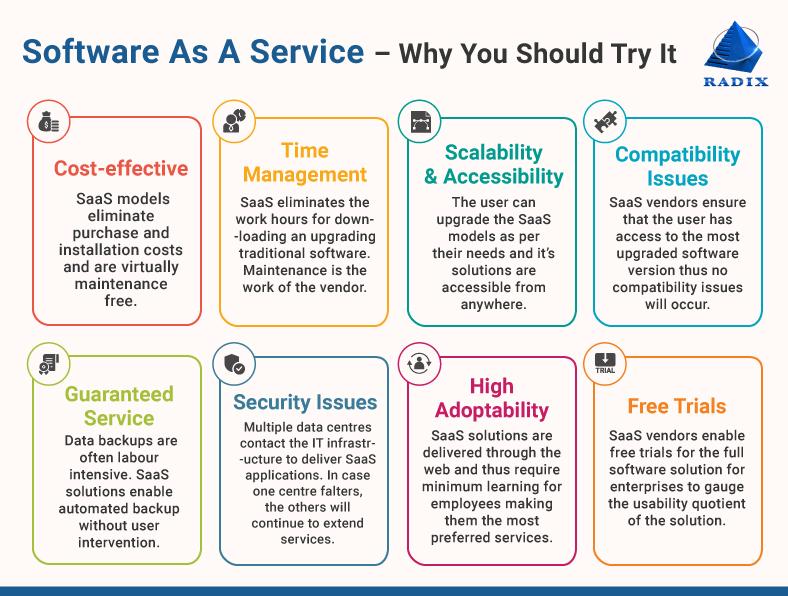
In today’s fast-paced digital landscape, businesses are constantly seeking innovative solutions to streamline operations, enhance productivity, and drive sustainable growth. One of the standout solutions carving out a significant niche in this realm is Software as a Service (SaaS). With its cloud-based deployment model, SaaS offers a flexible, scalable, and cost-effective alternative to traditional software solutions. As more companies make the shift to this dynamic service model, understanding the key benefits of SaaS becomes essential for modern enterprises aiming to stay ahead in a competitive market. In this article, we will explore the transformative advantages of SaaS, uncovering how it not only simplifies IT management but also empowers businesses to unlock their full growth potential. Whether you’re a small startup or an established corporation, embracing the SaaS model could be the game-changer your organization needs to thrive in the digital age.
Table of Contents
- Enhancing Operational Efficiency with SaaS Solutions
- Scaling Your Business: The Flexibility of Subscription Models
- Cost Management and Budget Predictability in SaaS Implementation
- Leveraging Data Insights for Strategic Decision-Making in SaaS Platforms
- Insights and Conclusions
Enhancing Operational Efficiency with SaaS Solutions
In the rapidly evolving landscape of modern business, operational efficiency is paramount. SaaS solutions empower organizations to streamline processes, eliminate redundancies, and enhance productivity. By shifting to a subscription-based model, companies can access sophisticated tools without the need for hefty upfront investments in hardware or software. This flexibility allows teams to focus on their core competencies while leveraging cloud technology to automate routine tasks.
Moreover, the collaborative features of SaaS applications promote seamless communication across departments, helping teams work in sync regardless of their location. Key advantages include:
- Scalability: Easily adjust subscription levels to match business growth.
- Real-Time Updates: Always access the latest features and security patches without manual intervention.
- Cost-Effectiveness: Reduce operating costs through minimized infrastructure requirements.
- Improved Analytics: Gain insights through integrated data reporting tools, driving informed decision-making.
Scaling Your Business: The Flexibility of Subscription Models
Subscription models offer a dynamic approach to scaling that can significantly enhance a business’s agility and responsiveness. Rather than relying solely on upfront payments, companies can create lasting relationships with customers through recurring revenue streams. This model not only stabilizes cash flow but also allows for faster reinvestment into product development and marketing. By encouraging a continuous engagement with customers, businesses can better understand their needs and adapt quickly to changing market demands. With this adaptability, companies can efficiently test new features or services without the risk of substantial sunk costs, ultimately leading to optimized product-market fit.
Another important aspect of subscription models is their capacity for personalization and segmentation. Leveraging data analytics, businesses can tailor their offerings based on customer behavior, enhancing satisfaction and retention. Consider the following advantages:
- Reduced Churn: Focused retention strategies can keep customers subscribed longer.
- Scalability: Easily adapt pricing tiers as you grow, catering to various customer segments.
- Predictable Revenue: Monthly or annual payments provide financial forecasts that support budgeting.
subscription models create an effective framework for growth, fostering a customer-centric approach while ensuring that businesses remain agile and competitive in a fast-paced digital environment.
Cost Management and Budget Predictability in SaaS Implementation
Effective cost management is a crucial aspect of implementing a Software as a Service (SaaS) solution. Businesses can achieve impressive budget predictability by leveraging subscription-based pricing models. Instead of large upfront capital expenditures for software and hardware, organizations can spread costs evenly over time, aligning expenses with cash flow and reducing financial risk. This approach enables teams to accurately forecast future expenses, as subscriptions typically have set renewal terms and provide clarity on ongoing operational costs.
The financial flexibility that SaaS offers allows businesses to allocate resources more strategically. Companies can focus on the following benefits:
- Scalability: As business needs evolve, organizations can easily adjust their subscription plans, eliminating the need for costly infrastructure overhauls.
- Lower Operational Costs: With SaaS, there’s less need for in-house IT management, which can significantly reduce labor and maintenance expenses.
- Predictable Budgeting: Regular, fixed subscription fees simplify budgeting processes and help prevent unforeseen costs.
| Cost Category | SaaS Model | Traditional Model |
|---|---|---|
| Upfront Costs | Low | High |
| Ongoing Costs | Fixed | Variable |
| IT Management | Reduced | High |
Leveraging Data Insights for Strategic Decision-Making in SaaS Platforms
In the rapidly evolving landscape of Software as a Service (SaaS), harnessing data insights has become a critical component for any business looking to maintain a competitive edge. By systematically collecting and analyzing user behavior, transaction patterns, and system performance metrics, organizations are empowered to make informed strategic decisions that can drive growth and enhance user experience. These insights enable businesses to:
- Identify emerging trends and adapt offerings accordingly.
- Enhance customer segmentation for targeted marketing and personalized features.
- Monitor application performance and optimize resource allocation.
- Predict churn rates and implement proactive retention strategies.
Furthermore, the integration of advanced analytics tools fosters a data-driven culture within the company, promoting collaboration across teams. Product managers, marketers, and customer service teams can leverage shared insights to coordinate their efforts and align with overarching business objectives. Key benefits of this collaborative approach include:
- Increased agility in responding to market shifts.
- Improved accountability through measurable outcomes.
- Enhanced innovation by drawing on diverse perspectives and data interpretations.
| Data Insight | Strategic Decision |
|---|---|
| Customer behavior analysis | Feature enhancement |
| Market trend identification | New product development |
| Performance metrics | Operational improvements |
| Churn prediction | Retention initiatives |
Insights and Conclusions
the emergence of Software as a Service (SaaS) has revolutionized the way modern businesses operate, offering a plethora of advantages that create significant opportunities for growth. Whether it’s the ease of integration, scalability, or cost-effectiveness, SaaS solutions empower organizations to stay agile in a rapidly changing market landscape. By embracing these cloud-based services, businesses are not only enhancing their operational efficiency but also fostering a culture of innovation and collaboration.
As we move deeper into a digital-first world, the benefits of SaaS will continue to unfold, positioning forward-thinking companies at the forefront of their industries. To leverage the full potential of SaaS, it’s essential for organizations to carefully assess their specific needs and choose the right platforms that align with their strategic goals.
In this journey of unlocking growth, staying informed and adaptable will remain crucial. We encourage leaders and decision-makers to explore the vast array of SaaS products available and evaluate how they can be harnessed to fuel progress and drive success. Here’s to embracing the future of business technology—unlocking growth, one SaaS solution at a time.