
Top SaaS Tools Every Startup Needs for Success in 2023
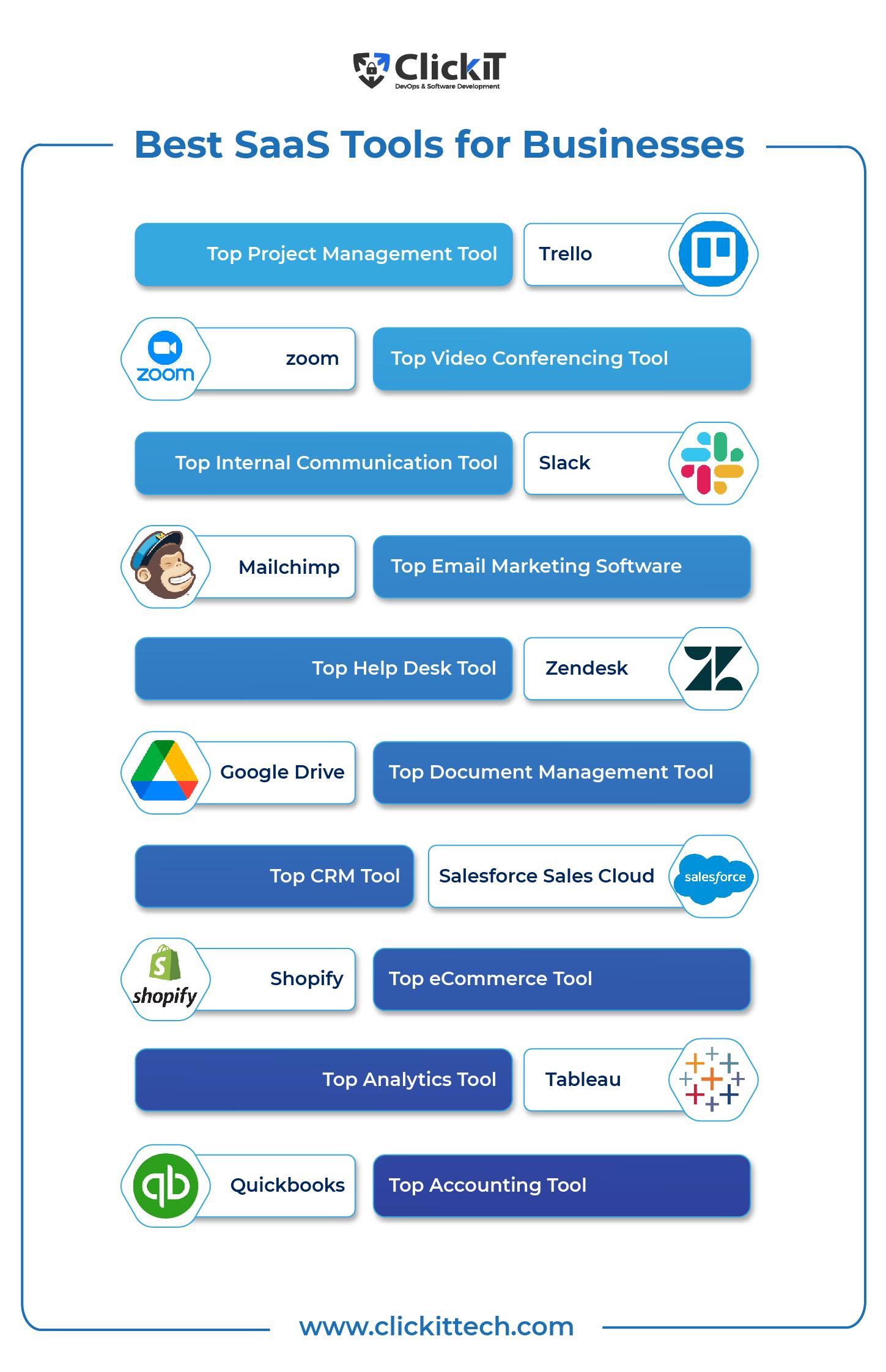
Title:
In the fast-paced world of startups, where agility and innovation are key to staying ahead, selecting the right tools can make all the difference between thriving and merely surviving. Software as a Service (SaaS) platforms provide a robust foundation for modern businesses, offering scalable solutions that streamline operations, enhance collaboration, and drive growth without the burdens of hefty infrastructure costs. As we navigate through 2023, the landscape of SaaS tools continues to evolve, offering startups an array of options tailored to their unique challenges and objectives. In this article, we’ll explore the top SaaS tools that every startup should consider integrating into their workflow to maximize efficiency, foster teamwork, and ultimately pave the way for long-term success. Whether you’re looking to boost your marketing efforts, improve project management, or streamline customer support, these essential tools are designed to help you hit the ground running and stay competitive in today’s dynamic market. Let’s dive in and discover the game-changers that can propel your startup toward its goals!
Table of Contents
- Essential Communication Tools to Enhance Team Collaboration
- Streamlining Operations with Project Management Platforms
- Maximizing Productivity through Time Tracking and Automation
- Critical Analytics Tools for Data-Driven Decision Making
- In Retrospect
Essential Communication Tools to Enhance Team Collaboration
In today’s fast-paced work environment, effective communication is the cornerstone of successful team collaboration. Startups looking to optimize their workflows should invest in the right SaaS tools that promote seamless dialog, information sharing, and task delegation. Platforms like Slack and Microsoft Teams offer robust messaging capabilities, enabling teams to connect in real-time whether they’re in the office or working remotely. These tools not only allow for instant messaging but also support organized discussions through channels, threads, and group calls, making it easier to stay on the same page.
Moreover, incorporating project management tools such as Trello and Asana enhances transparency and accountability. These platforms allow teams to track progress on tasks, assign responsibilities, and set deadlines, ensuring that everyone meets objectives efficiently. Additionally, consider using collaboration tools like Miro or Notion that facilitate brainstorming sessions and document sharing. By leveraging these technologies, startups can foster an inclusive environment where ideas flourish and everyone contributes to the overarching mission.
Streamlining Operations with Project Management Platforms
In the fast-paced world of startups, efficient operation management is crucial for achieving success. Embracing project management platforms can significantly enhance collaboration, streamline workflows, and improve accountability across teams. These tools provide a centralized space where team members can easily track progress, manage tasks, and share updates. Features such as real-time collaboration, resource allocation, and progress visualizations allow startups to adapt swiftly to changing project demands, ensuring they stay ahead in a competitive market.
When selecting a project management platform, it’s essential to consider key functionalities that cater to the unique needs of your startup. Here are some features to look for:
- User-friendly interface: Ensure ease of use for all team members.
- Integrations: Choose platforms that seamlessly connect with other SaaS tools you’re using.
- Reporting and analytics: Access to analytics helps you monitor progress and make data-driven decisions.
- Task automation: Automating repetitive tasks frees up time for your team to focus on creative problem solving.
Below is a simple comparison of popular project management platforms:
| Platform | Key Feature | Integration Capabilities |
|---|---|---|
| Trello | Visual Board System | Slack, Google Drive, and more |
| Asana | Task Tracking & Deadlines | Zapier, Dropbox, and more |
| Monday.com | Custom Workflows | Zoom, Microsoft Teams, and more |
Maximizing Productivity through Time Tracking and Automation
In the fast-paced world of startups, harnessing the power of time tracking and automation is essential for maximizing productivity. By implementing time tracking tools, teams can gain invaluable insights into where their hours are allocated, enabling them to identify bottlenecks, enhance workflow efficiency, and prioritize tasks effectively. Popular time tracking solutions, such as Hubstaff and Toggl, allow employees to log hours with ease and review productivity analytics that can guide better decision-making. With this data, startups can pivot strategies quickly based on measurable performance and ensure that every minute counts towards achieving their key objectives.
On the automation side, integrating tools like Zapier or Integromat can drastically reduce manual labour and streamline operations. These platforms allow startups to connect disparate applications to automate repetitive tasks, freeing up valuable time for teams to focus on strategic initiatives. For instance, automating email responses, task assignments, and even data synchronization can eliminate redundancies and minimize human error. Consider adopting the following strategies to boost productivity:
- Automate routine tasks: Set triggers for actions across your applications.
- Utilize calendar integrations: Sync your calendar with project management tools to keep track of deadlines.
- Regularly review tracking data: Assess your efficiency every week to understand trends and make adjustments.
Critical Analytics Tools for Data-Driven Decision Making
In today’s fast-paced digital world, leveraging the right analytics tools is essential for startups looking to make data-driven decisions. These tools empower businesses to collect, analyze, and interpret vast amounts of information efficiently. Among the top choices for startups in 2023 are:
- Google Analytics – A must-have for tracking website traffic and user behavior.
- Mixpanel – Excellent for understanding user engagement and product usage.
- Tableau – Powerful data visualization that helps in creating insightful dashboards.
- Looker – Integrates well with other tools for advanced business intelligence.
These tools not only offer robust analytics features but also promote a culture of data literacy within teams. By utilizing these solutions, startups can forecast trends, optimize marketing strategies, and enhance customer experiences. A comparative view of their key features can help in choosing the right fit:
| Tool | Main Feature | Best For |
|---|---|---|
| Google Analytics | Website Traffic Analysis | Online businesses |
| Mixpanel | User Engagement Tracking | Product-focused startups |
| Tableau | Data Visualization | Any data-driven business |
| Looker | Business Intelligence | Large-scale data analysis |
In Retrospect
the right SaaS tools can be game-changers for startups navigating the dynamic landscape of 2023. By leveraging the power of innovative software solutions, you can streamline operations, enhance collaboration, and make data-driven decisions that propel your business forward. From project management platforms to customer relationship management systems, each tool plays a vital role in fostering efficiency and growth.
As you embark on your startup journey, take the time to evaluate your specific needs and choose the SaaS tools that best align with your business objectives. Remember, investing in the right technology today not only prepares you for the challenges of tomorrow but also sets the foundation for long-term success.
Stay agile, keep innovating, and embrace the transformative power of SaaS. Here’s to your startup’s bright future in 2023 and beyond! If you found this article helpful, don’t hesitate to share it with fellow entrepreneurs looking to scale their businesses. Happy innovating!