
Optimizing Server Resources: The Role of Hosting Software
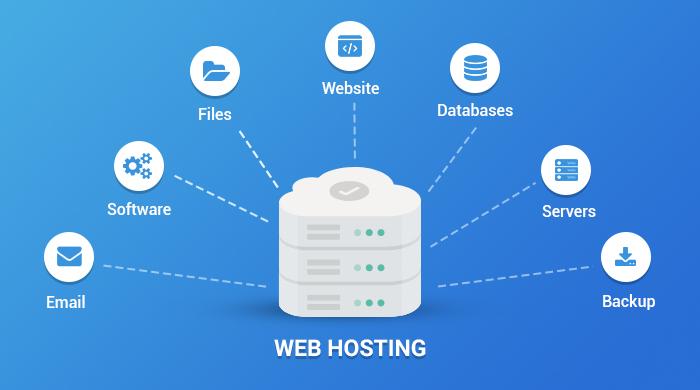
As the backbone of any online presence, server resources play a pivotal role in determining the performance, reliability, and scalability of web applications. To harness the full potential of these resources, leveraging the right hosting software is crucial. In today’s fast-paced digital landscape, where user expectations are ever-increasing and competition is fierce, optimizing server resources becomes not just a technical necessity but a strategic advantage. In this article, we will delve into the intricacies of how effective hosting software can revolutionize the management and utilization of server resources. Whether you’re a seasoned IT professional or a business owner looking to enhance your web infrastructure, understanding the interplay between hosting software and server optimization will equip you with the insights needed to elevate your online operations. Join us as we explore best practices, tools, and emerging trends that can help you unlock unparalleled efficiency and performance in your server management strategy.
Table of Contents
- Understanding Server Resource Allocation and Utilization
- Choosing the Right Hosting Software for Enhanced Performance
- Monitoring and Analyzing Resource Usage for Continuous Improvement
- Implementing Best Practices for Resource Optimization in Hosting Environments
- To Conclude
Understanding Server Resource Allocation and Utilization
Effective server resource allocation is essential for maintaining optimal performance and efficiency within your hosting environment. By understanding the components involved in resource allocation, you can make informed decisions that enhance the overall capabilities of your server infrastructure. Key components include:
- CPU allocation: Ensures that processing power is appropriately distributed among applications.
- Memory management: Involves regulating how much RAM is assigned to each project to prevent bottlenecks.
- Storage optimization: Focuses on how disk space is utilized and ensuring that the right data is accessible.
Utilization, on the other hand, refers to how effectively these resources are being used. High utilization rates can indicate efficiency but may also signal the need for scaling. Monitoring tools are invaluable for gauging resource consumption. Implementing robust tracking systems allows you to manage resources dynamically based on real-time demands. Consider these effective strategies:
- Regular performance assessments: Regularly evaluate server performance metrics to identify trends and potential issues.
- Dynamic scaling: Enable your hosting software to automatically allocate or deallocate resources based on current demand.
- Load balancing: Distributing workloads evenly across servers to enhance resource utilization.
Choosing the Right Hosting Software for Enhanced Performance
When selecting hosting software, consider its effect on your server’s overall performance. A good solution should not only meet your needs but also optimize resource allocation, ensuring that your applications run smoothly without unnecessary strain. Look for features such as:
- Scalability: Choosing software that grows with your demands can save you from frequent migrations.
- Load Balancing: A solution that balances requests across multiple servers can significantly reduce latency.
- Resource Monitoring: Built-in tools for monitoring CPU, memory, and disk usage can help you make informed decisions about upgrades or configurations.
Another crucial aspect is compatibility with various technologies and frameworks you intend to use. Ensure the hosting software supports the required languages and databases seamlessly. A well-rounded solution will provide:
- Security Features: Built-in firewalls and regular updates can protect your data without additional manual effort.
- Support for Automation: Tools that facilitate automation can enable faster deployment and updates, improving your overall efficiency.
- User-Friendly Management: Intuitive dashboards can simplify control over server resources and settings.
| Feature | Importance |
|---|---|
| Scalability | Ensures the solution can grow with your needs |
| Load Balancing | Reduces latency for better user experience |
| Resource Monitoring | Helps in tracking performance and planning upgrades |
Monitoring and Analyzing Resource Usage for Continuous Improvement
Effective resource management is crucial for any hosting environment, as it directly impacts server performance and user experience. By leveraging advanced monitoring tools, administrators can gain insights into how resources are utilized across various applications and services. Key metrics to track include:
- CPU Usage: Monitor the percentage of CPU resources consumed over time to identify spikes and trends.
- Memory Utilization: Analyze memory usage to ensure applications have enough resources without over-allocating.
- Disk I/O: Keep an eye on read and write operations to detect potential bottlenecks.
- Network Traffic: Assess bandwidth usage to optimize data flow and prevent congestion.
Once monitoring is in place, data analysis becomes essential for continuous improvement. By conducting regular performance reviews, you can identify not only areas requiring optimization but also opportunities for scaling resources efficiently. Implementing strategies based on gathered analytics may include:
- Load Balancing: Distributing workloads evenly across servers to enhance reliability and performance.
- Auto-Scaling: Automatically adjusting resources in response to real-time demand fluctuations.
- Resource Provisioning: Allocating the optimum amount of resources to prevent waste while ensuring availability during peak periods.
| Metric | Recommended Action |
|---|---|
| High CPU Usage | Consider scaling up or load balancing |
| Memory Leaks Detected | Optimize application code and monitor dependencies |
| Unexpected Disk I/O Peaks | Investigate logs and optimize storage |
| Network Saturation | Upgrade bandwidth or implement traffic shaping |
Implementing Best Practices for Resource Optimization in Hosting Environments
For effective resource optimization in hosting environments, implementing best practices involves a multi-faceted approach that leverages the capabilities of modern hosting software. Monitoring tools play a critical role by providing real-time insights into resource utilization. This enables administrators to identify bottlenecks and over-utilized resources. Consider integrating tools that offer features such as:
- Resource allocation tracking
- Automated scaling based on demand
- Alerts for unusual spikes in resource usage
Additionally, regular performance audits are vital to ensuring your hosting environment operates at peak efficiency. By systematically reviewing server performance and resource allocation, organizations can better align their resources with actual needs. To streamline this process, create a table summarizing key metrics, such as:
| Metric | Description | Frequency of Review |
|---|---|---|
| CPU Usage | Percentage utilized versus available | Weekly |
| Memory Allocation | Memory used against total RAM | Monthly |
| Bandwidth | Data transfer rate and peaks | Monthly |
To Conclude
optimizing server resources is no longer just an option but a necessity for businesses seeking to enhance their operational efficiency and reduce costs. The right hosting software plays a crucial role in this optimization process, offering robust tools and features that empower administrators to monitor, manage, and allocate resources effectively. From load balancing to auto-scaling, the advancements in hosting technologies provide businesses with the flexibility needed to adapt to changing demands and increasing workloads.
As the digital landscape continues to evolve, staying ahead means harnessing these powerful solutions to ensure that your servers are running at peak performance without unnecessary overhead. Remember, the goal is not just to react to resource usage but to proactively manage it for sustained growth.
Investing in the right hosting software today can yield significant returns tomorrow, enabling your organization to maximize productivity and minimize downtime. Embrace the tools available, and you’ll be well on your way to not just optimizing server resources but fully leveraging the power of your IT infrastructure for success. Thank you for reading, and here’s to a more efficient and dynamic server environment!