
Top Benefits of Choosing WordPress for Your Website Success
In today’s digital landscape, having a strong online presence is essential for businesses and individuals alike. Whether you’re launching a personal blog, an e-commerce site, or a corporate website, the platform you choose can significantly influence your success. Among the myriad of options available, WordPress stands out as a top choice for over 40% of all websites on the internet. But what makes WordPress so compelling? In this article, we’ll explore the top benefits of choosing WordPress as your website platform. From its user-friendly interface and customizable themes to its robust SEO capabilities and extensive community support, discover why WordPress is not just a content management system, but a powerful ally in your journey toward online success. Join us as we delve into the features that make WordPress the go-to option for website owners across the globe.
Table of Contents
- The Flexibility and Customization Options of WordPress
- User-Friendly Interface for Seamless Website Management
- Robust SEO Capabilities to Enhance Online Visibility
- Strong Community Support and Resources for Ongoing Growth
- Future Outlook
The Flexibility and Customization Options of WordPress
One of the standout features of WordPress is its unparalleled flexibility and customization options, which empower users to create a website that truly reflects their brand and vision. Regardless of the purpose of your site—be it a personal blog, an e-commerce store, or a portfolio—WordPress provides a wide array of themes and plugins. With countless options available, users can easily modify their site’s appearance and functionality without needing extensive coding knowledge. Here are some key aspects that enhance its flexibility:
- Theme Variety: Choose from thousands of free and premium themes tailored to different niches.
- Plugin Infrastructure: Add functionalities like SEO tools, social media integrations, and e-commerce capabilities seamlessly.
- Customizable Code: For those familiar with coding, WordPress allows further customization through CSS, HTML, and PHP modifications.
Moreover, WordPress shines in its ability to cater to diverse user needs through robust customization features. For instance, the platform makes it easy to personalize your site with custom post types, taxonomies, and page templates. This means you can effortlessly create distinct layouts and content formats that suit your specific requirements. Additionally, the use of page builders enables drag-and-drop capabilities, allowing even the most novice users to create stunning pages without any technical hurdles. Here’s a quick overview:
| Customization Feature | Description |
|---|---|
| Widgets | Interactive elements to add functionality to sidebars and footers. |
| Custom Fields | Extra metadata that adds additional content to your posts and pages. |
| Variable Customization | Adjust site settings for SEO, security, and performance optimization. |
User-Friendly Interface for Seamless Website Management
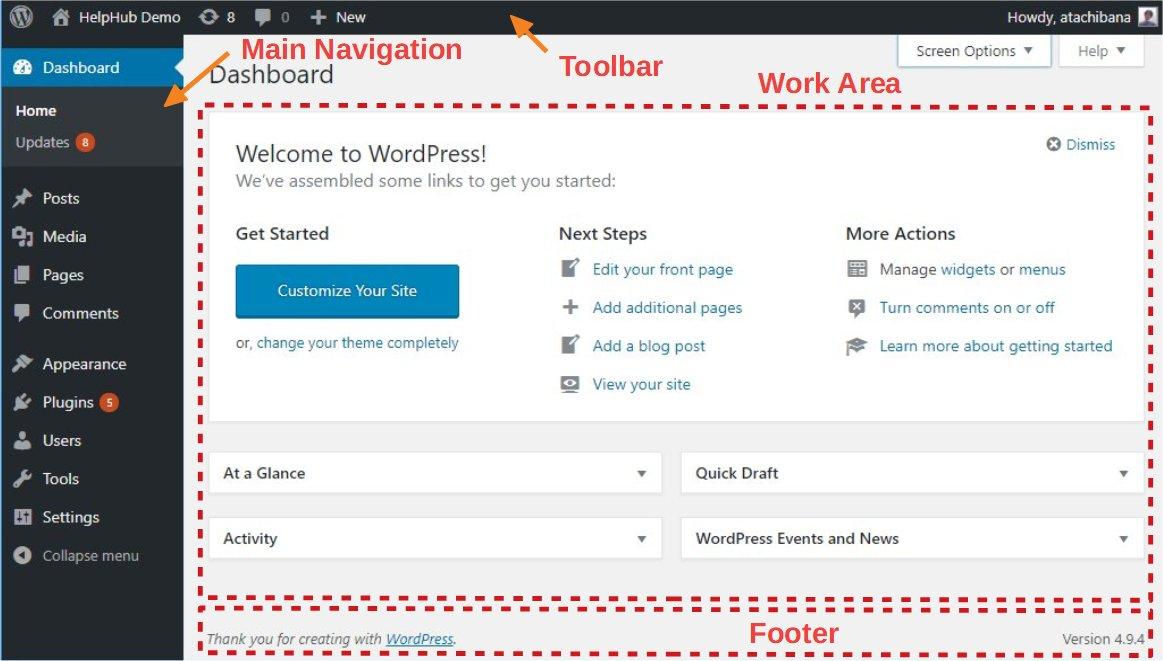
The intuitive design of WordPress ensures that even those without technical expertise can manage their websites effortlessly. Its drag-and-drop functionality allows users to arrange elements on a page without needing to understand HTML or CSS. With a dashboard that is easy to navigate, users can add new posts, update existing pages, and customize their site’s appearance with just a few clicks. This focus on simplicity means that more time can be dedicated to content creation rather than getting bogged down in technicalities.
Moreover, WordPress offers a plethora of plugins and themes that enhance usability, allowing site owners to tailor their experience based on specific needs. The availability of responsive themes ensures that websites look great on any device, and with regular updates, users can rest assured that their platforms are secure and equipped with the latest features. Users can also leverage community support and extensive documentation, ensuring they’re never alone in their website management journey.
Robust SEO Capabilities to Enhance Online Visibility
One of the key advantages of using WordPress is its robust SEO capabilities, enabling businesses to significantly boost their online presence. With numerous plugins such as Yoast SEO and All in One SEO Pack, WordPress users can easily optimize their content for search engines. These plugins offer features like keyword optimization, metadata management, and readability analysis, allowing for a comprehensive approach to search engine optimization. Furthermore, the inherent structure of WordPress itself is built for SEO, ensuring clean URLs, a responsive design, and fast loading times, all of which improve search engine rankings.
Additionally, WordPress provides users with the ability to create SEO-friendly content that attracts organic traffic. By leveraging features like customizable permalinks and easy integration of social media, businesses can enhance their visibility and engagement with a wider audience. The compatibility of WordPress with various analytics tools also helps in tracking performance and refining strategies. To illustrate the effectiveness of these features, consider the following table that outlines key SEO strategies available on WordPress:
| SEO Strategy | Description | Benefit |
|---|---|---|
| Keyword Optimization | Utilizing relevant keywords throughout the content. | Increases chances of higher search rankings. |
| Image Optimization | Using alt tags and compressed images. | Faster site speed and improved accessibility. |
| Meta Tags Implementation | Adding titles and descriptions to posts. | Enhances click-through rates from search results. |
Strong Community Support and Resources for Ongoing Growth
One of the most significant advantages of utilizing this platform is the vibrant community that thrives around it. With millions of users across the globe, you can tap into a wealth of knowledge and expertise. Whether you’re a beginner or an experienced developer, accessing forums, user groups, and development meetups is just a click away. Here are some ways the community supports your journey:
- Access to free resources and tutorials that cater to all skill levels
- Collaborative projects where developers can contribute and share ideas
- Regularly organized WordCamps and meetups to help you network and learn
- Extensive online forums and support channels for quick troubleshooting
Moreover, combining your efforts with robust resources ensures your growth continues long after your site launches. The platform is enriched with countless plugins, themes, and tools to enhance functionality and aesthetics. A seamless integration of features provides you with everything necessary to take your website to the next level. Here’s a snapshot of some popular resource categories:
| Resource Type | Examples |
|---|---|
| Plugins | Yoast SEO, WooCommerce, Akismet |
| Themes | Astra, Divi, OceanWP |
| Online Courses | WP101, Udemy, Coursera |
Future Outlook
choosing WordPress as your website platform can significantly enhance your online presence and drive your success. With its user-friendly interface, robust customization options, and strong community support, WordPress empowers both beginners and seasoned professionals alike to build and manage exceptional websites. From SEO capabilities to responsive design, the benefits it offers are unparalleled, ensuring that your site not only looks great but performs optimally in today’s competitive digital landscape.
As you embark on your website journey, keep in mind the numerous resources available within the WordPress ecosystem—be it plugins to extend functionality or themes to elevate visual appeal. The flexibility and scalability of WordPress mean that as your business grows, your website can evolve alongside it, adapting to your changing needs with ease.
We hope this article has shed light on the compelling reasons to choose WordPress for your website and has inspired you to take the next step toward building a successful online presence.
Remember, the right platform is foundational to your digital strategy, and WordPress stands out as a powerful ally in achieving your website goals. Happy building!