
Shared Hosting: Weighing the Pros and Cons for Your Website
In the ever-evolving landscape of web hosting, shared hosting remains a popular choice for individuals and small businesses looking to establish their online presence without breaking the bank. With its promise of affordability and ease of use, shared hosting can be an attractive option for newcomers to the digital world. However, it’s essential to weigh the benefits against the drawbacks to make an informed decision that aligns with your website’s goals. In this article, we’ll delve into the pros and cons of shared hosting, exploring its implications for performance, security, scalability, and customer support. Whether you’re launching a personal blog, a portfolio site, or a small business venture, understanding the nuances of shared hosting will help you choose the best path for your website’s success. Let’s navigate this landscape together and find out if shared hosting is the right fit for you.
Table of Contents
- Understanding Shared Hosting and Its Benefits
- Common Drawbacks of Shared Hosting
- Evaluating Performance and Security Considerations
- Making the Right Choice: Recommendations for Your Website Needs
- Future Outlook
Understanding Shared Hosting and Its Benefits
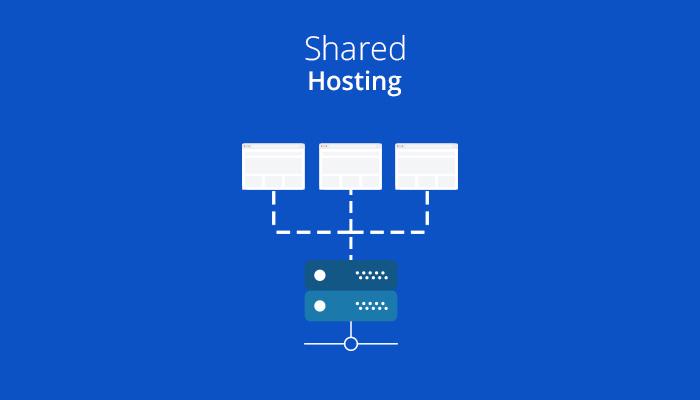
Shared hosting is a popular choice for individuals and small businesses looking to establish an online presence without breaking the bank. In this environment, multiple websites share the same server resources, which significantly reduces the cost for each user. This arrangement allows for a more affordable entry point into hosting, making it ideal for newcomers to web development. Some of the primary benefits of shared hosting include:
- Cost-Effective: Reduced monthly fees since costs are distributed among users.
- User-Friendly: Most providers offer intuitive control panels that simplify website management.
- Maintenance-Free: The hosting provider handles server maintenance and security updates, freeing you up to focus on your content.
- Scalability: As your website grows, many shared hosting providers offer easy upgrade options to more robust plans.
However, it’s important to consider some limitations associated with shared hosting, primarily involving resource allocation and performance. As multiple websites share the same server, your site’s speed and reliability may be affected if another site consumes excessive resources. This leads to potential downtime or slower page load times, which can negatively impact user experience and SEO rankings. Here’s a brief comparison of shared hosting and other hosting types:
| Hosting Type | Cost | Performance | Ideal For |
|---|---|---|---|
| Shared Hosting | Low | Average | Beginners, Small Websites |
| VPS Hosting | Moderate | Good | Growing Websites, Developers |
| Dedicated Hosting | High | Excellent | Large Enterprises, High Traffic Sites |
Common Drawbacks of Shared Hosting
While shared hosting can be an economical choice for many, it does come with its set of challenges that can hinder website performance and user experience. One of the primary concerns is limited resources; since multiple websites share the same server resources, your site’s performance may suffer, particularly during peak traffic times. When another user on the server experiences a surge in traffic, it can lead to slower load times for your site, potentially resulting in lost visitors and decreased search engine rankings.
Moreover, shared hosting services often offer less control and customization compared to dedicated hosting solutions. Users may find themselves confined to specific server configurations and software, making it difficult to implement unique features or applications that might be essential for their websites. Security risks can also be a major drawback; if another site on the same server is compromised, it could put your site at risk as well, given the shared environment. Here’s a basic overview of some common issues associated with shared hosting:
| Drawback | Description |
|---|---|
| Performance Issues | Slower load times during high traffic periods. |
| Security Risks | Increased vulnerability due to shared resources. |
| Limited Customization | Restricted options for software and server configurations. |
| Bandwidth Constraints | Potential additional costs for overuse of resources. |
Evaluating Performance and Security Considerations
When considering shared hosting for your website, performance should be a key factor in your decision-making process. Shared hosting environments typically host multiple websites on the same server, which means resources are distributed among all users. This can lead to varying levels of performance, influenced by factors such as:
- Server Load: High traffic to one site can slow down others using the same server.
- Resource Allocation: Limited bandwidth and storage can impact your site’s load time and responsiveness.
- Server Specifications: The quality of the hardware and software environment can affect overall speed.
In addition to performance, security considerations are paramount when choosing a shared hosting solution. Since your site will be on a server alongside others, vulnerabilities from one site can potentially compromise others. Important factors to evaluate include:
- Isolation Measures: Check if the provider has taken steps to isolate user environments.
- Regular Backups: Ensure that automated backups are part of the hosting plan for data recovery.
- SSL Certificates: Look for options that provide or allow easy installation of SSL certificates for secure data transmission.
| Performance Factors | Security Considerations |
|---|---|
| Server Load | Isolation Measures |
| Resource Allocation | Regular Backups |
| Server Specifications | SSL Certificates |
Making the Right Choice: Recommendations for Your Website Needs
When considering shared hosting for your website, it’s essential to weigh the benefits against the potential downsides. Among the pros that often attract users are:
- Cost-Effectiveness: Shared hosting plans are generally cheaper, making them ideal for startups and small businesses.
- Ease of Use: Most shared hosting services come with user-friendly control panels, simplifying website management.
- Maintenance and Support: Hosting providers typically handle server maintenance and offer customer support, freeing you from technical hassles.
However, there are cons that users should consider before diving in:
- Performance Limitations: Sharing resources with other sites can lead to slower load times, particularly during peak traffic periods.
- Security Risks: Vulnerabilities in one site can potentially impact others on the same server.
- Limited Control: Users may face restrictions on server configurations and software installations, limiting customization.
| Feature | Shared Hosting | Dedicated Hosting |
|---|---|---|
| Cost | Affordable | Expensive |
| Performance | Variable | Consistent |
| Security | Shared Risk | Higher Level |
| Customization | Limited | Full |
Future Outlook
shared hosting presents an appealing solution for many website owners, especially those just starting out or managing personal projects. It offers affordability and convenience, making it an ideal choice for small businesses or bloggers who need to establish their online presence without breaking the bank. However, it’s essential to consider the potential drawbacks, such as limitations on performance, resources, and security.
As you weigh the pros and cons, think about your specific needs, growth plans, and long-term goals. If shared hosting aligns with your current requirements, it may very well be the perfect launching pad for your website. Conversely, if you anticipate rapid growth or have advanced needs, exploring alternatives like VPS or dedicated hosting might be worthwhile.
Ultimately, the decision will depend on a careful evaluation of your website’s objectives and your willingness to adapt as those needs evolve. We hope this article has equipped you with the insights necessary to make an informed choice. Happy hosting, and may your website thrive in the ever-expanding digital landscape!