
Essential Tips for Seamless Migration to a SaaS Platform
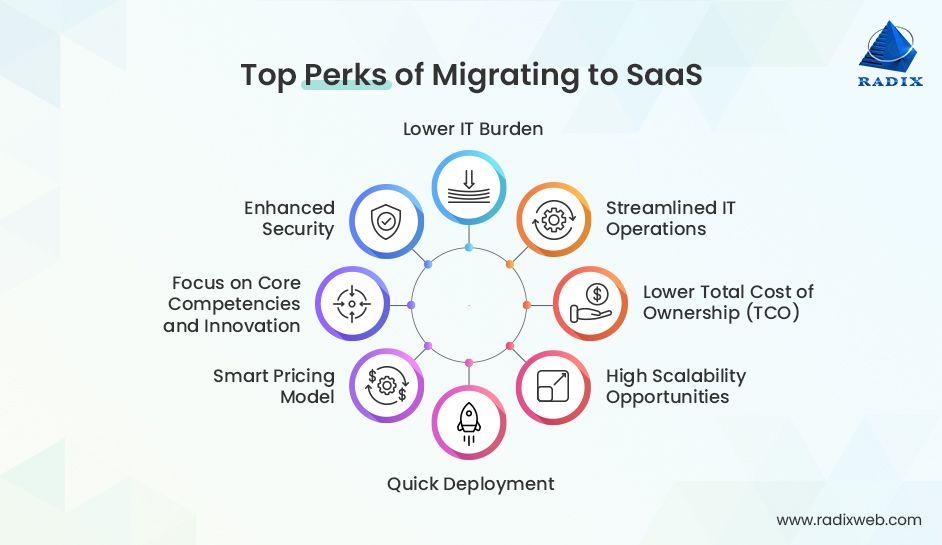
In today’s digital landscape, transitioning to a Software as a Service (SaaS) platform isn’t just beneficial—it’s increasingly becoming an essential strategy for businesses aiming to boost efficiency, scale operations, and enhance customer experiences. However, the migration process can often seem daunting, filled with challenges that can hinder progress if not navigated correctly. From data transfer and system integration to user training and change management, a successful migration requires meticulous planning and execution.
In this article, we will explore essential tips designed to facilitate a smooth transition to a SaaS environment. Whether you’re a small business making your first foray into cloud computing or a large enterprise looking to upgrade your existing systems, these insights will equip you with the knowledge to ensure a seamless migration. By understanding the critical steps involved, you can mitigate risks, foster user adoption, and ultimately unlock the full potential of your new SaaS solution. Let’s dive in!
Table of Contents
- Understanding Your Current Infrastructure and Future Needs
- Creating a Comprehensive Migration Strategy
- Ensuring Data Integrity and Security During the Transition
- Post-Migration Best Practices for Optimal Performance
- Final Thoughts
Understanding Your Current Infrastructure and Future Needs
To successfully migrate to a SaaS platform, it’s crucial to have a comprehensive understanding of your existing infrastructure. Evaluate your current systems and applications to identify what works well and what might hinder a smooth transition. Recognize the following aspects of your infrastructure:
- Scalability: How well can your current solutions grow with your business needs?
- Integration Capabilities: Are your existing applications compatible with prospective SaaS solutions?
- Performance Metrics: What performance standards do you expect, and how do your current systems measure up?
- Compliance Requirements: Are there specific regulations you must adhere to regarding data handling?
Once you assess your current environment, start predicting your future needs. Consider the growth trajectory of your business and how technology can facilitate that growth. Key points to focus on include:
- User Experience: What functionalities do users need to boost productivity?
- Cost Management: How will your IT budget evolve with the shift to a SaaS model?
- Security Protocols: What are the anticipated risks, and how can a SaaS platform mitigate them?
- Support and Training: What resources will be necessary for your team to adapt to the new tools?
Creating a Comprehensive Migration Strategy
When embarking on a migration to a SaaS platform, a well-defined strategy is essential to ensure a smooth transition. Start by conducting a thorough assessment of your current systems and processes. This includes identifying the data you need to migrate, understanding your team’s requirements, and determining the expected outcomes of the migration. A clear understanding of these factors will enable you to choose the right SaaS solution that aligns with your business goals. Additionally, outlining a timeline for each phase of migration can help mitigate risks and manage expectations effectively.
Key components of your migration strategy should include:
- Stakeholder Engagement: Involve key stakeholders early on to gain insights and support for the migration plan.
- Data Security and Compliance: Assess the security measures of the SaaS provider and ensure they meet compliance standards relevant to your industry.
- Testing and Validation: Before fully deploying the new platform, run pilot tests to validate data integrity and user experience.
- Training and Support: Provide comprehensive training for your team to enhance adoption and reduce downtime during the transition.
| Phase | Action Items |
|---|---|
| Pre-Migration | Assess existing systems, identify data types |
| Migration | Execute data transfer, implement the new platform |
| Post-Migration | Gather feedback, provide ongoing support |
Ensuring Data Integrity and Security During the Transition
When transitioning to a Software as a Service (SaaS) platform, safeguarding the integrity and security of your data should be a top priority. It’s essential to implement a comprehensive strategy that not only protects sensitive information but also ensures that data remains accurate and accessible throughout the migration process. Here are key considerations to keep in mind:
- Conduct Risk Assessments: Identify potential vulnerabilities during migration and assess their impact on your data.
- Utilize Encryption: Encrypt data both in transit and at rest to ensure unauthorized access is prevented.
- Establish Access Controls: Define who has access to data during the transition phase to limit exposure.
- Monitor Data Integrity: Use checksums and hashes to verify that data stays unaltered throughout the process.
Additionally, setting up a robust backup strategy can serve as a safety net against potential data loss. Consider adopting a phased approach to migration where you can leverage tools designed for data validation and integrity checks. Implementing clear communication channels with your SaaS provider is crucial to stay informed about security measures in place. Here’s a quick reference table to outline best practices:
| Practice | Description |
|---|---|
| Data Backup | Regular automated backups to restore data if needed. |
| User Training | Educate staff on data handling and security protocols. |
| Regular Audits | Conduct periodic checks to identify potential security flaws. |
Post-Migration Best Practices for Optimal Performance
Once you’ve successfully migrated to a SaaS platform, it’s crucial to implement best practices that enhance overall performance. Start by ensuring regular system updates and monitoring your application’s performance metrics. Tools such as Application Performance Monitoring (APM) should be utilized to identify bottlenecks or any irregularities in real-time. Additionally, maintain an organized cloud storage system to streamline data retrieval and enhance user experience while ensuring that data security protocols and compliance measures are consistently upheld.
Another significant aspect is to invest in user training and support. Encourage your team to participate in webinars and training sessions provided by the SaaS vendor to ensure they are well-versed in the platform’s features. Create an internal knowledge base that includes FAQs and troubleshooting guides to assist users quickly. Implementing a feedback loop where employees can share their experiences and challenges can also assist in optimizing the platform further. Below is a simple comparison that helps outline essential performance practices:
| Practice | Benefit |
|---|---|
| Regular Updates | Enhances functionality and security |
| Performance Monitoring | Identifies issues before they impact users |
| User Training | Increases productivity and platform utilization |
| Knowledge Base | Facilitates quick problem resolution |
Final Thoughts
As we wrap up our exploration of essential tips for a seamless migration to a SaaS platform, it’s clear that careful planning and thoughtful execution are pivotal to a successful transition. By taking the time to assess your current infrastructure, engage stakeholders, and prioritize user training, you can mitigate potential challenges and unlock the full potential of your new system. Remember that a cloud-based solution not only enhances operational efficiency but also offers scalability and flexibility as your business evolves.
Ultimately, migrating to a SaaS platform is not just about adopting new technology—it’s an opportunity to transform how your organization operates and delivers value to its clients. Stay proactive, keep communication lines open, and don’t hesitate to lean on your SaaS provider for support. With these strategies in place, you’re not just moving to the cloud; you’re setting your organization up for long-term success in an increasingly digital world.
Thank you for joining us in this discussion on a seamless SaaS migration. We hope these insights empower you to navigate your transition confidently and effectively. Happy migrating!