
Why Multi-Tenancy is Crucial for SaaS Architecture Success
Introduction:
In the ever-evolving landscape of software-as-a-service (SaaS), the architecture that underpins these applications can make or break their success. Among the myriad choices available to developers and enterprises, multi-tenancy stands out as a fundamental principle that shapes the efficiency, scalability, and cost-effectiveness of SaaS solutions. But what exactly is multi-tenancy, and why is it so vital for the success of SaaS architecture? In this article, we will explore the core benefits of multi-tenancy, examining how it fosters resource optimization, streamlines maintenance, and enhances user experience. By understanding the critical role of multi-tenancy in SaaS, businesses can better navigate the complexities of cloud technology and capitalize on opportunities for innovation and growth. Whether you’re a seasoned tech professional or a newcomer to the SaaS world, grasping the importance of multi-tenancy is essential for crafting resilient and competitive digital solutions.
Table of Contents
- Understanding Multi-Tenancy and Its Impact on Scalability in SaaS Solutions
- Enhancing Security and Compliance through Multi-Tenant Architectures
- Cost Efficiency and Resource Optimization: The Financial Benefits of Multi-Tenancy
- Best Practices for Implementing Multi-Tenancy in SaaS Development
- Final Thoughts
Understanding Multi-Tenancy and Its Impact on Scalability in SaaS Solutions
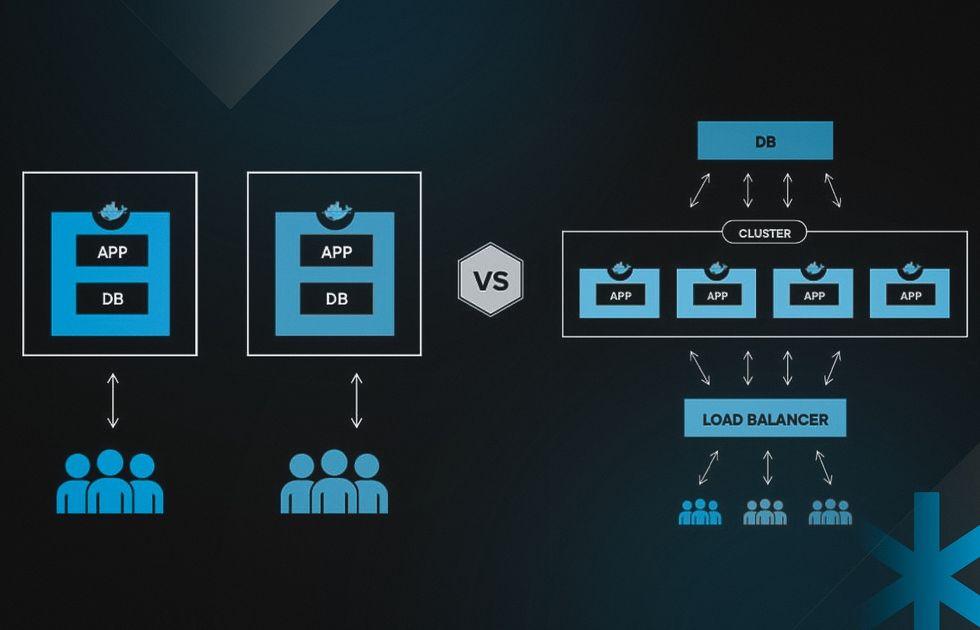
Multi-tenancy is a foundational element in the design of Software as a Service (SaaS) architectures, significantly influencing scalability. By allowing multiple clients, or tenants, to share the same application instance while ensuring data isolation, multi-tenancy reduces resource duplication and optimizes performance. This approach enables efficient resource allocation, resulting in lower operational costs and increased speed to market. Effective multi-tenant architectures harness the power of shared infrastructure, allowing developers to focus on delivering features and improvements rather than maintaining individual environments for each customer.
Moreover, the scalability provided by a multi-tenant architecture manifests in several key benefits:
- Cost Efficiency: By leveraging shared resources, businesses can reduce costs associated with hardware and maintenance.
- Easier Updates: Implementing updates or new features in a single instance ensures that all tenants benefit from improvements simultaneously.
- Quick Onboarding: New tenants can be onboarded swiftly and easily, allowing businesses to scale rapidly.
- Enhanced Load Management: Multi-tenancy allows for better load balancing and resource management, which is crucial during peak usage times.
| Benefit | Description |
|---|---|
| Resource Optimization | Reduces costs by sharing resources effectively among tenants. |
| Centralized Management | Streamlines updates and maintenance through a single application instance. |
| Lower Time-to-Market | Facilitates rapid deployment of new features across all clients. |
Enhancing Security and Compliance through Multi-Tenant Architectures
In the world of Software as a Service (SaaS), multi-tenant architectures play a pivotal role in enhancing security and compliance measures. By allowing multiple clients to share the same infrastructure while keeping their data isolated, these architectures offer numerous benefits. Organizations can implement centralized security controls, which means any security updates or compliance checks can be applied universally across all tenants, ensuring that every client adheres to the latest regulations and standards. This uniformity not only simplifies the management of security protocols but also reduces the likelihood of human error, which is often attributed to separate compliance implementations across disparate systems.
Moreover, multi-tenancy supports scalability and resource efficiency, making it easier for SaaS providers to allocate security resources where they are needed most. This approach leads to significant cost savings, as infrastructure can be optimized to run various security mechanisms without overwhelming individual clients. Key security features, such as data encryption and access controls, can be applied more uniformly. For a better understanding of the advantages, consider the following table:
| Aspect | Benefit |
|---|---|
| Centralized Compliance Management | Consistent application of security policies across all tenants. |
| Cost Efficiency | Reduction in infrastructure costs through shared resources. |
| Risk Mitigation | Lower risk of data breaches due to unified security measures. |
Cost Efficiency and Resource Optimization: The Financial Benefits of Multi-Tenancy
In the realm of Software as a Service (SaaS), organizations face mounting pressure to maximize their investments and minimize unnecessary spending. One of the most effective strategies to achieve this is through the implementation of multi-tenancy architecture. By allowing multiple customers to share the same application and database resources, companies can significantly reduce operational costs. The centralized management and maintenance under this model lead to enhanced efficiency in updates and deployments, benefiting all tenants simultaneously while requiring less infrastructure overhead.
The financial advantages of this approach extend beyond mere cost savings. Multi-tenancy promotes resource optimization by enabling efficient utilization of cloud resources. This is accomplished through various means, such as:
- Reduced Infrastructure Costs: Shared resources translate into lower server expenses.
- Economies of Scale: Handling larger loads enables reduced costs per customer.
- Streamlined Support and Maintenance: Fewer instances to manage lead to reduced personnel hours.
Furthermore, the availability of analytics tools in multi-tenant environments empowers SaaS providers to better understand usage patterns and customer needs, allowing for targeted improvements and innovations without significant investment. In essence, multi-tenancy not only fosters operational efficiency but also drives sustainable financial growth for SaaS businesses.
Best Practices for Implementing Multi-Tenancy in SaaS Development
Implementing multi-tenancy in SaaS applications requires careful planning and execution to ensure that each tenant’s data is isolated and secure while allowing for the efficient use of resources. One of the best practices is to adopt a clear data architecture. Use a well-defined schema to separate tenant data, either via a shared database with tenant ID identifiers or through separate databases for each tenant. This decision should align with your scalability and security requirements. Additionally, consider employing robust access control mechanisms that restrict data visibility based on tenant identity, ensuring that users can only access their own data at all times.
Another crucial best practice involves the optimization of resource allocation. By implementing load balancing and auto-scaling strategies, you can dynamically allocate resources based on tenant demand, minimizing costs while maximizing performance. Using technology like containers or microservices can enhance the agility of your multi-tenant application; each tenant’s services can be updated independently, facilitating quicker deployments and greater resilience. Regularly monitor performance metrics to identify potential bottlenecks early and adjust your systems accordingly. Consider employing a user feedback loop to gather insights from tenants, which can drive continuous improvement of your service offerings.
Final Thoughts
embracing multi-tenancy is not just a technical choice; it’s a strategic imperative for SaaS providers aiming to thrive in an increasingly competitive landscape. By optimizing resource usage, enhancing scalability, and streamlining maintenance efforts, multi-tenancy enables businesses to deliver superior service at a lower cost while accommodating growth and evolution in customer demands. As you consider your own SaaS architecture, it’s essential to weigh the long-term benefits of multi-tenancy against the challenges it may present.
Ultimately, the success of a SaaS model hinges on its ability to efficiently serve diverse clients while maintaining high performance and security standards. As technology continues to advance and users become more discerning, those who harness the power of multi-tenancy will be well-positioned to lead the market.
Stay innovative, prioritize adaptability, and remember that adopting a robust multi-tenant architecture is not merely an option—it’s a pathway to sustained success in the dynamic SaaS landscape. Thank you for joining us in exploring this vital topic, and we look forward to hearing your thoughts and experiences with multi-tenancy in the comments below!