
VPS Hosting: Weighing the Pros and Cons for Your Business
Introduction:
In today’s digital landscape, the choice of hosting can significantly impact your business’s online presence, performance, and scalability. Among the myriad of options available, Virtual Private Server (VPS) hosting stands out as a popular solution for businesses seeking a balance between performance and cost. With a VPS, you get the power and flexibility of dedicated resources without the hefty price tag that often accompanies it. However, as with any technology solution, there are both benefits and drawbacks to consider before making a commitment. In this article, we will explore the pros and cons of VPS hosting, helping you to make an informed decision that aligns with your business needs and goals. Whether you are a startup looking to build your first website or an established enterprise seeking to optimize your existing infrastructure, understanding the intricacies of VPS hosting is essential for achieving lasting success in the digital arena.
Table of Contents
- Understanding VPS Hosting and Its Business Implications
- Key Advantages of VPS Hosting for Growing Companies
- Challenges and Drawbacks of VPS Hosting to Consider
- Strategies for Choosing the Right VPS Hosting Solution for Your Business
- Future Outlook
Understanding VPS Hosting and Its Business Implications
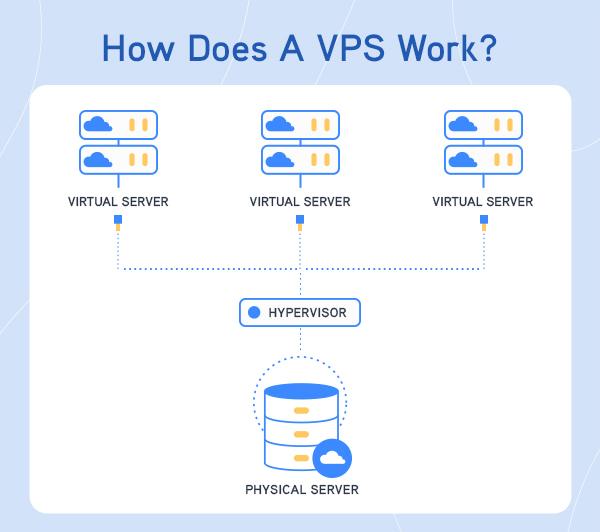
Virtual Private Server (VPS) hosting offers an appealing blend of performance and flexibility for businesses that find shared hosting inadequate but may not yet need the full resources of a dedicated server. With VPS, your website operates in a virtual environment that mimics a dedicated server, allowing greater control over configurations and resources. Key benefits often include improved reliability, enhanced performance with dedicated resources, and the opportunity for easy scalability as your business grows. This ensures that your website can handle higher traffic loads without compromising performance, a critical factor in today’s competitive digital landscape.
However, it’s essential to weigh these advantages against potential downsides. VPS hosting typically requires more technical knowledge than standard shared hosting, which might necessitate hiring specialized staff or outsourcing IT support. Additionally, depending on the provider, costs may scale quickly with the amount of resources consumed. Below is a simplified comparison of potential benefits and drawbacks:
| Benefits | Drawbacks |
|---|---|
| Enhanced Performance | Higher Cost |
| Improved Security | Requires Technical Expertise |
| Greater Flexibility | Management Overhead |
Key Advantages of VPS Hosting for Growing Companies
VPS hosting offers a range of significant benefits that can greatly enhance the operational capabilities of growing companies. First and foremost, it provides dedicated resources that are not shared with other users, ensuring that your applications run smoothly and efficiently. This level of performance translates to better website speed, which is crucial for providing an excellent user experience and maintaining high visitor engagement. Additionally, companies can enjoy scalability, allowing them to upgrade resources as their business demands increase without significant downtime or migration hassles. Each growing company has its unique needs, and VPS hosting allows for the flexibility to adapt accordingly.
Another considerable advantage of VPS hosting is enhanced security. Unlike shared hosting environments, a VPS setup offers a higher level of isolation; this helps protect your data from potential breaches that could occur through other users on the server. Furthermore, with a VPS, companies can implement custom firewalls and have greater control over the installed software and security protocols, making it easier to comply with industry regulations and best practices. The combination of reliability, customization options, and increased security makes VPS hosting an ideal choice for businesses looking to secure their online operations while paving the way for future growth.
Challenges and Drawbacks of VPS Hosting to Consider
While VPS hosting offers enhanced control and flexibility, it is not without its challenges and drawbacks. One significant concern is the cost. Although VPS is more affordable than dedicated servers, it can still represent a considerable expense for small businesses or startups. Additionally, costs can escalate with the need for more resources, software licenses, or premium support packages. Moreover, users must also factor in the costs of maintenance and potential downtime, which may lead to revenue loss.
Another common challenge is the requirement for technical expertise. Unlike shared hosting, where the service provider manages most tasks, VPS hosting requires users to handle server management, updates, and security configurations themselves. This can be daunting for those without a strong technical background, potentially leading to misconfigurations or security vulnerabilities. Furthermore, if issues arise, troubleshooting can be complex and time-consuming, which might detract from focusing on core business activities.
Strategies for Choosing the Right VPS Hosting Solution for Your Business
Choosing the right VPS hosting solution for your business involves careful consideration of several factors to ensure it aligns with your operational goals and budget. Start by assessing your business’s specific needs, including the expected traffic load, the type of applications you run, and the level of management you require. A few key aspects to consider include:
- Performance Needs: Identify how much processing power, RAM, and storage your applications require to function smoothly.
- Scalability: Ensure the VPS hosting provider offers options for easily scaling resources as your business grows.
- Support and Management: Decide if you prefer managed VPS services, which provide technical support, or unmanaged options that give you full control.
Budget plays a critical role in your decision-making process as well. Compare price points among various hosting providers while evaluating the features and support offered at those levels. It’s essential to create a balance between cost and quality to ensure long-term satisfaction. Here’s a simple comparison of what to look for:
| Feature | Low-Cost VPS | Mid-Range VPS | Premium VPS |
|---|---|---|---|
| Monthly Price | Under $20 | $20 – $50 | Above $50 |
| Performance | Basic resources | Moderate resources with better management | High-performance dedicated resources |
| Support | Email support | Live chat + email support | 24/7 premium support |
Future Outlook
choosing the right hosting solution for your business is a critical decision that can significantly impact your online presence and overall success. VPS hosting offers a compelling balance of performance, flexibility, and cost-effectiveness, making it an appealing option for businesses of all sizes. However, it’s essential to weigh the pros and cons carefully before making the leap. Consider your specific needs, budget, and growth aspirations to determine whether a virtual private server aligns with your goals.
Ultimately, the right choice will empower your business to scale efficiently while maintaining the high level of service your customers expect. Whether you opt for VPS hosting or explore alternative solutions, investing time in research and understanding the available options will put you on the pathway to success. Thank you for reading, and we wish you the best of luck in your hosting journey!