
Unlocking Success: Managed Hosting Solutions for Small Businesses
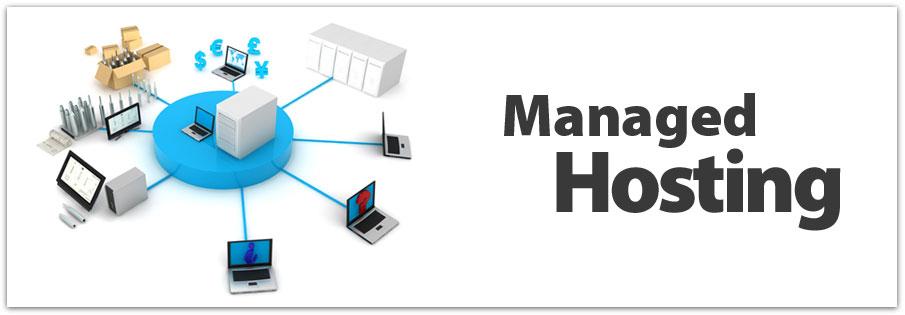
In today’s digital landscape, the success of small businesses hinges not only on innovative products and services but also on the seamless integration of technology that supports their growth. As competition intensifies, the need for robust and reliable online presence becomes paramount. Enter managed hosting solutions—an essential yet often overlooked tool that can unlock significant advantages for small enterprises. By alleviating the burdens of server management and optimizing website performance, these tailored hosting services empower businesses to focus on what they do best: serving their customers. In this article, we will delve into the myriad ways managed hosting can elevate small businesses, enhance their operational efficiency, and pave the way for sustainable success in an ever-evolving marketplace. Whether you’re a seasoned entrepreneur or just starting your venture, understanding the benefits of managed hosting could be the game-changer you’ve been seeking.
Table of Contents
- Understanding the Benefits of Managed Hosting for Small Businesses
- Identifying Key Features to Look for in Managed Hosting Solutions
- Cost-Effective Strategies for Implementing Managed Hosting
- Maximizing Performance and Security with Managed Hosting Best Practices
- Wrapping Up
Understanding the Benefits of Managed Hosting for Small Businesses
Managed hosting offers a suite of advantages tailored specifically for small businesses looking to maximize their online presence without the burden of extensive IT management. One of the primary benefits is the access to expert support. With a managed hosting solution, businesses gain peace of mind knowing that a team of professionals is available to handle server management, security updates, and troubleshooting, allowing them to focus on their core operations rather than IT complexities. Additionally, these services often provide enhanced security measures, including firewalls, DDoS protection, and regular backups, which are crucial for safeguarding sensitive business data.
Furthermore, managed hosting solutions are designed for scalability, enabling small businesses to grow without the need for significant upfront investments in hardware and infrastructure. The key advantages of this flexibility include:
- Cost-effectiveness: Pay only for what you need, with the ability to upgrade resources as your business expands.
- Performance optimization: Managed services often come with performance enhancements, ensuring faster load times and improved user experiences.
- Compliance support: Many providers assist with regulatory compliance, which is essential for industries with strict data handling requirements.
Identifying Key Features to Look for in Managed Hosting Solutions
When selecting a managed hosting solution, it’s essential to identify features that align with your small business needs. Consider scalability as a top priority; a robust hosting service should effortlessly adapt to your business growth without significant downtime. Additionally, performance optimization features, such as Content Delivery Networks (CDNs) and caching solutions, can make a significant impact on your website speed, enhancing user experience. Security is another critical aspect—look for offerings that include DDoS protection, SSL certificates, and regular backups to safeguard your data and build customer trust.
Another feature to consider is 24/7 customer support. A proactive support system ensures that any issues can be resolved swiftly, minimizing disruptions to your business operations. Moreover, many managed hosting providers offer customizable packages, allowing you to pick and choose the services that best fit your business model. To give you a clearer picture, here’s a quick comparison of some key features you might want to evaluate:
| Feature | Importance | Typical Providers |
|---|---|---|
| Scalability | High | SiteGround, Bluehost |
| Performance Optimization | Medium | WP Engine, Kinsta |
| Security | High | A2 Hosting, Liquid Web |
| 24/7 Support | Essential | DreamHost, HostGator |
| Customizable Packages | Medium | GoDaddy, InMotion Hosting |
Cost-Effective Strategies for Implementing Managed Hosting
For small businesses operating with tight budgets, precision in resource allocation is vital. To maximize the benefits of managed hosting without breaking the bank, consider prioritizing scalability and flexibility in your solutions. Invest in a provider that offers pay-as-you-go pricing structures, allowing you to scale your resources based on your needs. This not only reduces upfront costs but also ensures that you pay exclusively for what you use. Additionally, focus on negotiating contracts that align with your growth period; a longer-term commitment often yields discounts. Engaging in providers that specialize in small businesses can yield tailored packages that fit your specific requirements.
Another effective strategy is to leverage managed hosting services in conjunction with existing cloud solutions. For instance, you can use a hybrid model that combines both dedicated servers for high-traffic times and shared hosting for off-peak periods. This successfully balances performance with cost efficiency. Moreover, consider tapping into community forums or business networks to share best practices and solicit recommendations for providers. Here’s a quick breakdown of potential savings strategies:
| Strategy | Benefit |
|---|---|
| Pay-as-you-go pricing | Only pay for resources you utilize. |
| Negotiate contracts | Receive discounts for long-term commitments. |
| Hybrid hosting model | Enhances performance without overspending. |
| Utilize community insights | Access shared knowledge for informed decisions. |
Maximizing Performance and Security with Managed Hosting Best Practices
To ensure that small businesses harness the full potential of managed hosting, it’s essential to adopt strategies that enhance both performance and security. Regular updates to software and systems bolster security while optimizing speed. Utilizing Content Delivery Networks (CDNs) distributes workloads and accelerates content delivery, ultimately improving user experience. Investing in load balancing technology ensures no single server is overwhelmed, thereby maintaining stability even during traffic spikes. Additionally, database optimization can yield significant performance boosts, as efficient data management leads to quicker load times.
Security is paramount in the digital landscape, and implementing best practices safeguards your managed hosting environment. First and foremost, firewall management should be prioritized to monitor incoming and outgoing traffic. Employing SSL certificates encrypts data between the user and the server, adding an essential layer of protection. Organizations should also conduct regular security audits to identify vulnerabilities and rectify them promptly. A comprehensive backup strategy is vital; it ensures that, in case of a breach, recovery is swift and data loss is minimal, providing peace of mind for business continuity.
Wrapping Up
managed hosting solutions present a valuable opportunity for small businesses eager to unlock their full potential in today’s competitive digital landscape. By offloading the technical complexities of server management to experienced professionals, you can focus on what truly matters: growing your business and serving your customers.
As we’ve explored, the benefits of scalability, enhanced security, and dependable support make managed hosting an attractive option. It’s not just about keeping your website live; it’s about creating a robust digital foundation that can evolve alongside your business objectives.
Investing in managed hosting is essentially investing in peace of mind, allowing you to harness the power of technology without the typical headaches that accompany it. So, if you’re ready to take your small business to the next level, consider how a managed hosting solution can be a game-changer on your journey to success. Your future self will thank you for making the smart choice today.