
Unlocking Potential: How SaaS Transforms Nonprofits
In an era where technology is reshaping the landscapes of industries far and wide, nonprofit organizations find themselves at a pivotal crossroads. With limited resources and ever-evolving challenges, nonprofits are increasingly turning to innovative solutions to enhance their operations, streamline processes, and broaden their impact. Enter Software as a Service (SaaS) — a groundbreaking approach that provides nonprofits with powerful, scalable tools without the burden of traditional software installations. From donor management systems to project collaboration platforms, SaaS is not just a luxury but a necessity for organizations aiming to maximize their potential and fulfill their missions more effectively. In this article, we’ll explore how SaaS is revolutionizing the nonprofit sector, highlighting key benefits, success stories, and the transformative ways in which these digital solutions are helping organizations unlock their true potential. Whether you are a seasoned nonprofit leader or just beginning your journey, understanding the power of SaaS can be the key to driving your mission forward and making a lasting impact in your community.
Table of Contents
- Understanding the Unique Challenges Faced by Nonprofits in a Digital Era
- Choosing the Right SaaS Solutions to Maximize Impact and Efficiency
- Implementing SaaS: Best Practices for Nonprofits to Drive Engagement
- Measuring Success: Evaluating the Effectiveness of SaaS in Nonprofit Operations
- Closing Remarks
Understanding the Unique Challenges Faced by Nonprofits in a Digital Era
Nonprofits today are operating in a rapidly evolving digital landscape that presents both exciting opportunities and unique challenges. As they strive to fulfill their missions, organizations must adapt to technological advancements while maintaining their core values. This means grappling with issues such as limited budgets, which often restrict access to robust software solutions. Furthermore, nonprofits frequently lack the technical expertise required to implement and manage digital tools effectively. As a result, many organizations find themselves caught in a cycle where they are unable to fully leverage technology without incurring significant costs or investing time in training staff. These obstacles can inhibit growth, outreach, and the overall impact of their vital work.
Moreover, the demands of increased online engagement further complicate matters, as nonprofits need to connect with diverse stakeholders ranging from donors to volunteers and the communities they serve. In this environment, effective data management becomes crucial. Nonprofits must harness the power of data analytics to understand donor behaviors and measure the impact of their programs. To navigate these challenges, many organizations are turning to Software as a Service (SaaS) solutions, which offer scalable, cost-effective options tailored to their needs. By adopting SaaS tools, nonprofits can streamline operations, enhance communication, and ultimately fulfill their missions with greater efficiency and effectiveness. Below is a comparison of traditional software versus SaaS solutions:
| Feature | Traditional Software | SaaS Solutions |
|---|---|---|
| Cost | High upfront costs | Subscription-based, lower initial costs |
| Accessibility | Limited to specific devices | Accessible from any internet-connected device |
| Maintenance | Requires IT support | Automatically updated and managed |
| Scalability | Difficult to scale | Easy to scale according to needs |
Choosing the Right SaaS Solutions to Maximize Impact and Efficiency
When selecting SaaS solutions, nonprofits should prioritize functionality and user experience to ensure that the tools effectively serve their unique missions. Key considerations include:
- Scalability: Choose platforms that can grow alongside your organization.
- Cost-effectiveness: Look for pricing structures that align with your budget constraints.
- Integration capabilities: Ensure that the solution can seamlessly connect with your existing systems.
- Customer support: Reliable assistance is critical as you navigate new software.
Additionally, engaging stakeholders in the decision-making process can enhance adoption and utilization. Steps to validate your options include:
- Conducting trials: Utilize free demos to assess usability and features.
- Gathering feedback: Involve team members from different departments to pinpoint their needs.
- Comparative analysis: Create a side-by-side comparison of shortlisted solutions to identify strengths and weaknesses.
| Solution | Key Feature | Best For |
|---|---|---|
| DonorPerfect | Donation Tracking | Fundraising Management |
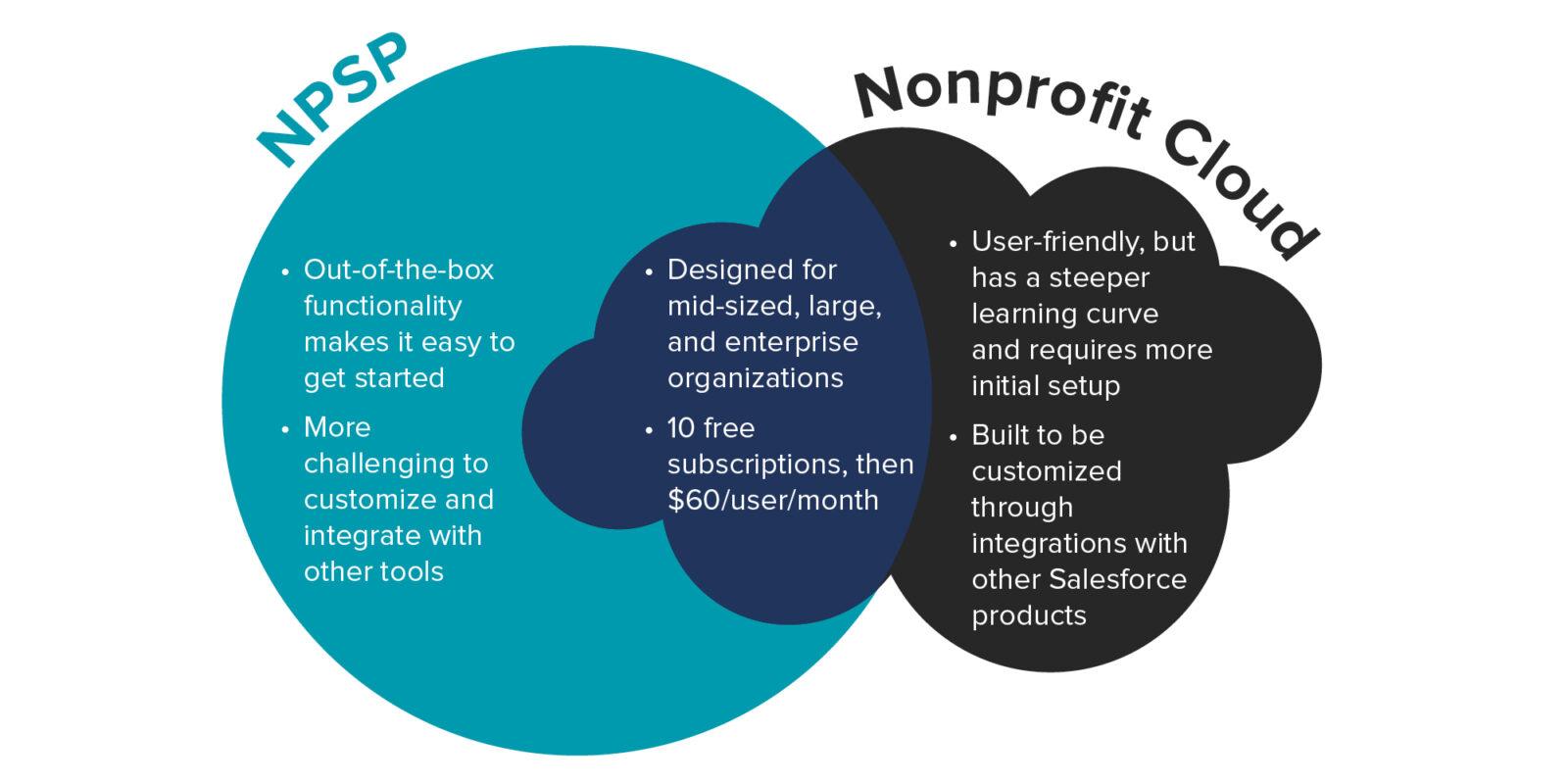
| Salesforce Nonprofit Cloud | Comprehensive CRM | Relationship Management |
| Mailchimp | Email Marketing Automation | Outreach Campaigns |
Implementing SaaS: Best Practices for Nonprofits to Drive Engagement
To effectively implement SaaS solutions, nonprofits should prioritize user engagement by considering each stakeholder’s unique needs. Training sessions for staff and volunteers ensure that everyone is comfortable using the software, which can dramatically reduce resistance to new processes. Additionally, providing ongoing support through dedicated help resources or a community forum fosters a culture of collaboration and learning. Here are essential elements to consider:
- Customize onboarding processes to suit different user experiences.
- Utilize feedback loops to gather insights and improve functionality.
- Establish a clear communication plan to keep everyone informed about updates.
Beyond training, nonprofits must leverage data analytics to measure engagement and impact. SaaS platforms often come with robust reporting tools that can track volunteer activity, donor engagement, and fundraising campaigns. By analyzing this data, organizations can refine their strategies and identify opportunities for increased outreach and better engagement. The following table outlines key performance indicators (KPIs) to monitor:
| KPI | Description | Importance |
|---|---|---|
| Volunteer Participation Rate | Percentage of volunteers actively engaged | Shows engagement levels |
| Donor Retention Rate | Percentage of returning donors | Indicative of donor satisfaction |
| Event Attendance | Number of participants per event | Measuring the reach of initiatives |
Measuring Success: Evaluating the Effectiveness of SaaS in Nonprofit Operations
Evaluating the impact of Software as a Service (SaaS) on nonprofit operations requires a multifaceted approach tailored to the specific goals of each organization. Key performance indicators (KPIs) serve as essential tools for nonprofits to gauge their progress and measure outcomes more effectively. Some critical metrics to monitor include:
- Operational Efficiency: Assessing time saved through automation and streamlined processes.
- Fundraising Effectiveness: Analyzing growth in donations facilitated by user-friendly donation platforms.
- Volunteer Engagement: Monitoring the increase in volunteer sign-ups and retention through accessible management tools.
Additionally, qualitative feedback from staff, volunteers, and beneficiaries can provide insights into the user experience and overall satisfaction with the SaaS tools implemented. Organizations may choose to conduct surveys or focus groups to gather this information. A comparison of before-and-after scenarios is also instrumental in understanding the tangible impacts of SaaS solutions:
| Metric | Before SaaS Implementation | After SaaS Implementation |
|---|---|---|
| Processing Donations | Manual entry took 3 hours/week | Automated with 30 min/week |
| Volunteer Scheduling | Spreadsheet-based, low engagement | Online platform, 40% engagement increase |
| Grant Applications | Submissions: 5/month | Submissions: 10/month |
Closing Remarks
the transformative power of Software as a Service (SaaS) is undeniable, particularly in the nonprofit sector. By embracing these innovative tools, nonprofits not only enhance their operational efficiency but also unlock new avenues for engagement, collaboration, and impact. Whether it’s streamlining workflows, improving donor relations, or expanding outreach strategies, SaaS solutions offer nonprofits the agility and scalability necessary to thrive in an ever-evolving landscape.
As we move forward, it’s essential for nonprofit organizations to prioritize technology adoption as a strategic initiative. By investing in user-friendly, flexible, and scalable SaaS platforms, nonprofits can leverage their full potential and remain focused on their mission. The journey toward unlocking this potential doesn’t just benefit organizations; it ultimately amplifies the good they can do in their communities.
We encourage nonprofit leaders to explore the vast array of SaaS options available and thoughtfully integrate these solutions into their operations. By doing so, they can not only navigate the challenges of today’s world but also pave the way for a brighter, more impactful future. Remember, in the world of nonprofits, every levered tool can lead to profound change—let SaaS be one of those tools in your arsenal. Thank you for joining us as we uncover the ways technology is reshaping the nonprofit sector. Together, let’s continue to unlock potential and drive meaningful change.