
Unlocking Performance: The Crucial Role of SSDs in Dedicated Hosting
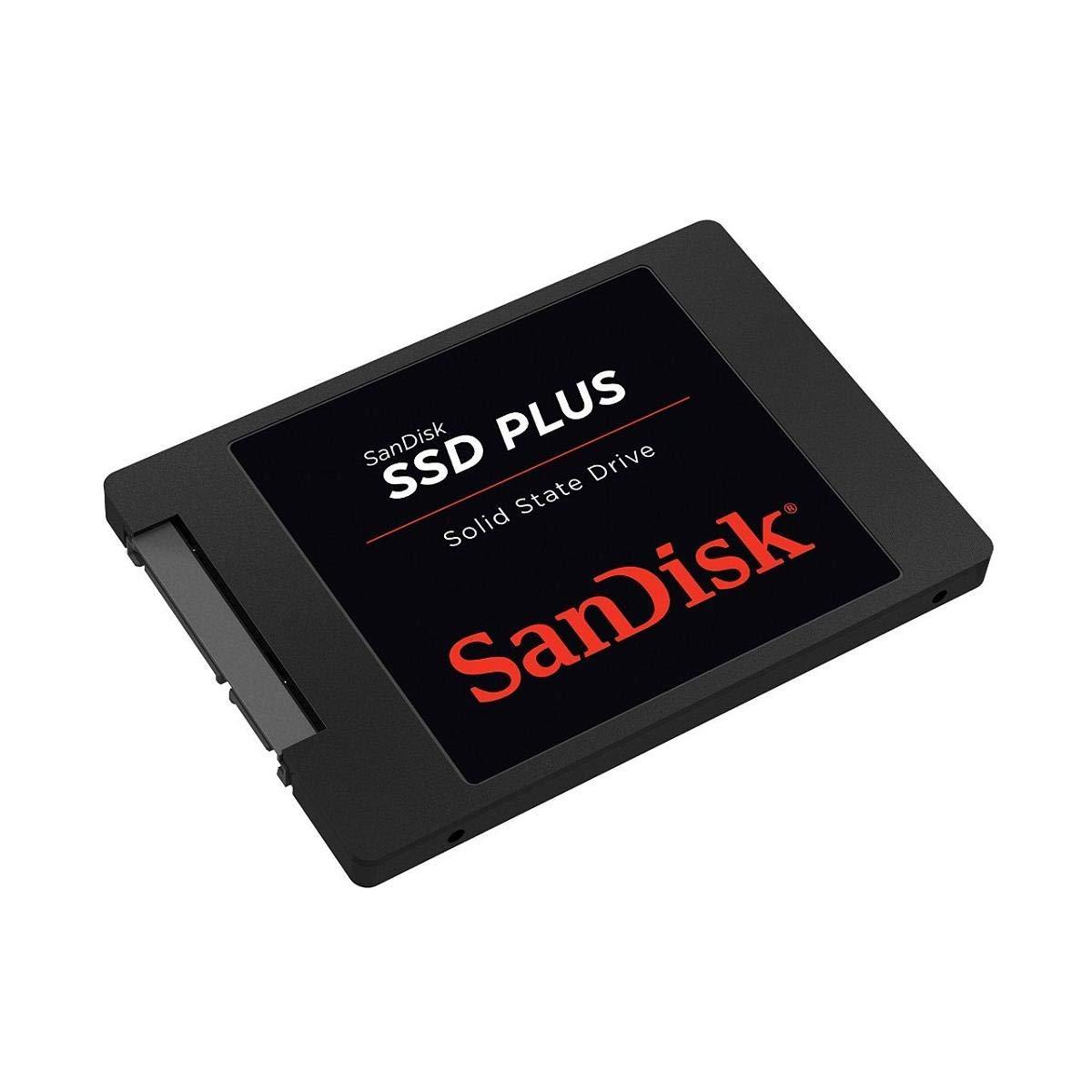
In today’s fast-paced digital landscape, where speed and reliability are paramount, the choice of storage solutions can make or break your hosting experience. As businesses and enterprises continue to rely on dedicated hosting environments to support their growing demands, the debate between traditional Hard Disk Drives (HDDs) and Solid State Drives (SSDs) has intensified. While HDDs have long been the standard, the emergence of SSD technology represents a significant advancement in performance, efficiency, and durability. In this article, we will explore how SSDs are revolutionizing dedicated hosting services, unlocking unparalleled levels of performance, optimizing data access, and ultimately enhancing user satisfaction. Join us as we delve into the key advantages of SSDs and discover why making the switch is essential for any business looking to thrive in an increasingly competitive online arena.
Table of Contents
- Exploring the Advantages of SSDs in Dedicated Hosting Environments
- Performance Metrics: How SSDs Enhance Speed and Reliability
- Cost-Benefit Analysis: Evaluating SSDs vs Traditional Storage Solutions
- Best Practices for Optimizing SSD Performance in Dedicated Hosting
- The Conclusion
Exploring the Advantages of SSDs in Dedicated Hosting Environments
The emergence of Solid State Drives (SSDs) in dedicated hosting environments has transformed the landscape of data storage, offering unparalleled advantages over traditional Hard Disk Drives (HDDs). With no moving parts, SSDs provide faster data access and higher read/write speeds, resulting in reduced latency and improved application performance. This speed translates into quicker load times for websites and applications, significantly enhancing user experience. Furthermore, the durability of SSDs minimizes the risk of data loss due to physical damage, making them a reliable choice for mission-critical applications.
Another key benefit of SSDs lies in their efficiency. They consume less power, promoting cost-effective data centers by reducing energy costs and cooling requirements. Additionally, the compact size of SSDs allows for higher storage density, enabling servers to accommodate larger amounts of data in limited physical space. Compared to traditional HDDs, the performance per watt of SSDs is considerably higher, making them a sustainable option for businesses looking to optimize their IT infrastructure and enhance overall operational efficiency.
Performance Metrics: How SSDs Enhance Speed and Reliability
In the realm of dedicated hosting, Solid State Drives (SSDs) stand out as game-changers, significantly boosting both speed and reliability. Unlike traditional hard disk drives (HDDs), which rely on spinning disks, SSDs use flash memory to store data. This fundamental difference means that SSDs can achieve lightning-fast read and write speeds, often reducing data access times to mere milliseconds. The result? Websites load faster, applications respond more swiftly, and overall performance sees a marked improvement. Key performance enhancements include:
- Improved boot times: Systems powered by SSDs initiate in seconds rather than minutes.
- Higher throughput: SSDs handle multiple tasks seamlessly, crucial for businesses with heavy data processing needs.
- Lower latency: Quick access to data ensures minimal delay in user experiences.
Moreover, the reliability of SSDs cannot be overstated. With no moving parts, SSDs are less prone to mechanical failure, which translates into better long-term durability. They also have a lower rate of data corruption, providing peace of mind for businesses that rely heavily on data integrity. When looking at the lifespan of SSDs versus HDDs, the solid-state nature of SSDs leads to impressive endurance, making them ideal for environments where high read and write cycles are a norm. Below is a simple comparison of lifespan and durability:
| Drive Type | Average Lifespan | Failure Rate |
|---|---|---|
| SSD | 5-10 years | Low |
| HDD | 3-5 years | Higher |
Cost-Benefit Analysis: Evaluating SSDs vs Traditional Storage Solutions
When considering the transition to solid-state drives (SSDs) for dedicated hosting, it’s essential to weigh the potential benefits against the costs involved. SSDs offer remarkable performance advantages, such as significantly faster data access speeds, lower latency, and increased durability compared to traditional hard disk drives (HDDs). These advantages can lead to improved website loading times and better user experiences. However, the initial investment in SSD technology can be higher, leading businesses to consider factors like:
- Performance Gains: SSDs can enhance server responsiveness.
- Cost Efficiency: Evaluate long-term operational savings against upfront costs.
- Energy Consumption: SSDs generally consume less power than HDDs.
To illustrate the cost-benefit scenario more effectively, the following table summarizes key differences in pricing and performance metrics between SSDs and traditional storage solutions:
| Storage Type | Average Cost per GB | Read Speed (MB/s) | Write Speed (MB/s) |
|---|---|---|---|
| SSD | $0.10 – $0.30 | 500 – 5500 | 200 – 4000 |
| HDD | $0.03 – $0.10 | 80 – 160 | 80 – 160 |
Ultimately, the choice between SSDs and traditional storage solutions will depend on specific business needs, projected growth, and budget allowances. Aligning the performance boosts of SSDs with operational requirements can yield significant returns in terms of efficiency and competitiveness in the digital marketplace.
Best Practices for Optimizing SSD Performance in Dedicated Hosting
To fully leverage the advantages of SSDs in a dedicated hosting environment, it’s essential to implement several best practices that enhance performance and longevity. First and foremost, optimize your file structure by organizing files in a manner that minimizes read and write operations. Utilizing an efficient directory hierarchy can lead to faster access times and improved overall speed. Additionally, employing trim commands regularly ensures that the SSD can efficiently manage its storage space by clearing out invalid data. This helps maintain optimal performance over time.
Another vital strategy involves monitoring the health and performance of your SSDs. Tools like SMART (Self-Monitoring, Analysis, and Reporting Technology) can provide crucial insights into the drive’s status. Incorporating a caching solution, such as a web application accelerator, can also significantly boost performance by keeping frequently accessed data in memory, reducing the load on your SSD. Lastly, consider adjusting the power settings in your server to ensure that the drives are receiving the appropriate power level to function at their best, especially under heavy loads.
The Conclusion
as the digital landscape continues to evolve, the role of Solid State Drives (SSDs) in dedicated hosting environments becomes increasingly critical. Their ability to deliver unparalleled speed, reliability, and efficiency not only enhances user experience but also drives business growth by supporting high-impact applications and demanding workloads. Embracing SSD technology equips organizations with the performance necessary to stay competitive in a fast-paced market.
As we move forward, it is essential for businesses to prioritize infrastructure that leverages the advantages of SSDs. Investing in dedicated hosting solutions with robust SSD capabilities can unlock significant opportunities for optimization and innovation. By understanding the implications of SSD adoption, companies can future-proof their operations and ensure they are poised to meet the challenges of tomorrow’s digital world.
Thank you for joining us on this exploration of SSDs in dedicated hosting. We hope this article has shed light on the crucial role these technologies play in boosting performance, and we invite you to stay tuned for more insights into evolving tech trends that can elevate your business to new heights.