
Adapting Managed Hosting Solutions for Business Growth
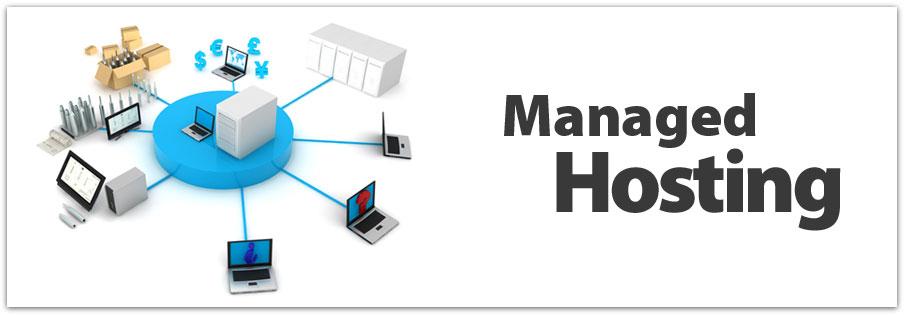
In today’s rapidly evolving digital landscape, businesses are continually faced with the challenge of scaling their operations while maintaining performance, security, and reliability. As companies grow, the demand for robust and flexible hosting solutions becomes paramount. Managed hosting has emerged as a vital component in this equation, offering tailored infrastructure and support that empowers organizations to focus on their core objectives. In this article, we will explore how adapting managed hosting solutions can significantly enhance your business growth strategy. We’ll discuss the key factors to consider when selecting a managed hosting provider, the benefits of customizing services to meet your specific needs, and how leveraging the right technology can position your business for sustained success. Whether you are a startup looking to establish your online presence or an established enterprise aiming to optimize operations, understanding the nuances of managed hosting will be crucial in navigating the complexities of today’s digital marketplace. Join us as we delve into the essentials of adapting managed hosting for maximum impact.
Table of Contents
- Understanding the Role of Managed Hosting in Scaling Business Operations
- Key Features to Look for in Managed Hosting Solutions for Optimal Growth
- Integrating Scalability and Flexibility into Your Managed Hosting Strategy
- Best Practices for Leveraging Managed Hosting to Enhance Performance and Security
- Final Thoughts
Understanding the Role of Managed Hosting in Scaling Business Operations
Managed hosting services play a pivotal role in the scalability of business operations, allowing organizations to effectively adapt to changing demands without compromising performance. With a managed hosting solution, companies can leverage expert support and advanced infrastructure to handle spikes in traffic and increased data storage needs seamlessly. Key benefits of utilizing managed hosting for scalability include:
- Resource Allocation: Dynamically adjust resources like bandwidth and storage based on your needs.
- Performance Monitoring: Continuous performance assessments ensure optimal uptime and response times.
- Security Management: Built-in security protocols protect sensitive data, enabling safe growth.
Moreover, as businesses evolve, there are several factors to consider when selecting a managed hosting solution that aligns with growth objectives. Companies should prioritize flexibility, allowing them to scale up or down swiftly as market conditions dictate. Additionally, integrating technologies such as cloud capabilities can significantly enhance responsiveness to business fluctuations. Here’s a simple overview of essential features to consider:
| Feature | Description |
|---|---|
| Virtualization | Optimizes resource usage and allows for easier upgrades. |
| Backup Solutions | Ensures data is always recoverable, minimizing downtime. |
| Scalable Architecture | Facilitates easy additions or modifications to existing setups. |
Key Features to Look for in Managed Hosting Solutions for Optimal Growth
When evaluating managed hosting solutions, it’s essential to focus on features that align with your business’s growth trajectory. Performance and scalability are paramount; choose a provider that offers robust server performance with options for seamless scaling as your traffic grows. Ensure they support technologies like CDN integration, which significantly enhances site speed and user experience. Additionally, look for features such as automatic backups and security measures like DDoS protection and SSL integration; these not only safeguard your data but also instill confidence in your customers.
An effective managed hosting solution should also offer 24/7 customer support, preferably with managed services that assist you in troubleshooting and maintaining your site. Flexibility in pricing is another key aspect; a good provider should present various pricing tiers that accommodate your budget while allowing room for growth. Lastly, customizability is essential; your hosting solution should enable easy adaptation to specific application requirements, ensuring that your platform can evolve alongside your business needs.
Integrating Scalability and Flexibility into Your Managed Hosting Strategy
To successfully expand your business, it’s crucial to incorporate both scalability and flexibility into your managed hosting strategy. First, scalability ensures that as your traffic and resource demands grow, your hosting environment can seamlessly adapt, minimizing downtime and maintaining optimal performance. Consider leveraging cloud-based solutions that allow for on-demand resource allocation. This way, you can dynamically scale server capacity based on current needs without having to invest in hardware upfront. Here are some key factors to consider:
- Auto-scaling Features: Automatically adjust resources based on traffic spikes.
- Load Balancing: Distribute workloads to ensure smooth performance.
- Backup and Recovery: Implement robust backup solutions for quick data restores.
In addition to scalability, flexibility allows you to tailor your hosting environment to fit specific business needs. This adaptability is essential, especially in a rapidly changing market landscape. Utilizing managed hosting providers that offer customizable packages can be a game-changer. Evaluate the options available to ensure they align with your growth strategy. Below is a simple comparison of hosting options based on flexibility:
| Hosting Type | Flexibility | Cost |
|---|---|---|
| Shared Hosting | Low | $$ |
| VPS Hosting | Medium | $$$ |
| Cloud Hosting | High | $$$$ |
Best Practices for Leveraging Managed Hosting to Enhance Performance and Security
To fully harness the potential of managed hosting, businesses should adopt a series of best practices that prioritize both performance and security. Regular updates are essential; outdated software can lead to vulnerabilities, so ensure that your managed hosting provider offers automatic updates for both the server and application software. Furthermore, scalability is key as businesses grow. Choose a provider that allows you to increase resources like bandwidth and storage seamlessly, ensuring your website remains responsive even during high traffic periods. Additionally, implementing a content delivery network (CDN) can drastically improve load speeds by distributing content across various locations.
Security should also be at the forefront of your managed hosting strategy. Utilize SSL certificates to encrypt data and build trust with your users. Regularly scheduled backups are another critical component, providing peace of mind by ensuring that data can be quickly restored in case of a breach or server failure. Consider using firewall and DDoS protection services that many managed hosting providers include to guard against external threats. Lastly, having monitoring tools in place allows you to keep track of performance metrics and security alerts in real-time, enabling rapid responses to any issues that may arise.
Final Thoughts
adapting managed hosting solutions for business growth is not just a strategic decision; it’s a necessity in today’s digital landscape. By embracing scalable hosting options, optimizing performance, and enhancing security measures, businesses can create a robust infrastructure that supports their evolving needs. As you navigate your growth journey, consider partnering with a managed hosting provider that understands your unique requirements and can offer tailored solutions.
Remember, the right hosting strategy can be a game-changer, providing the agility and support needed to stay ahead of the competition. Whether you’re a startup poised for rapid expansion or an established enterprise seeking efficiency, investing in a managed hosting solution is a step towards sustainable growth and innovation.
Explore the possibilities, leverage the expertise of managed service providers, and watch your business thrive in an ever-changing digital environment. Your success story begins with a solid foundation—make sure it’s built on reliable, adaptable hosting solutions.