
Unlocking Growth: Scaling Your Business with SaaS Solutions
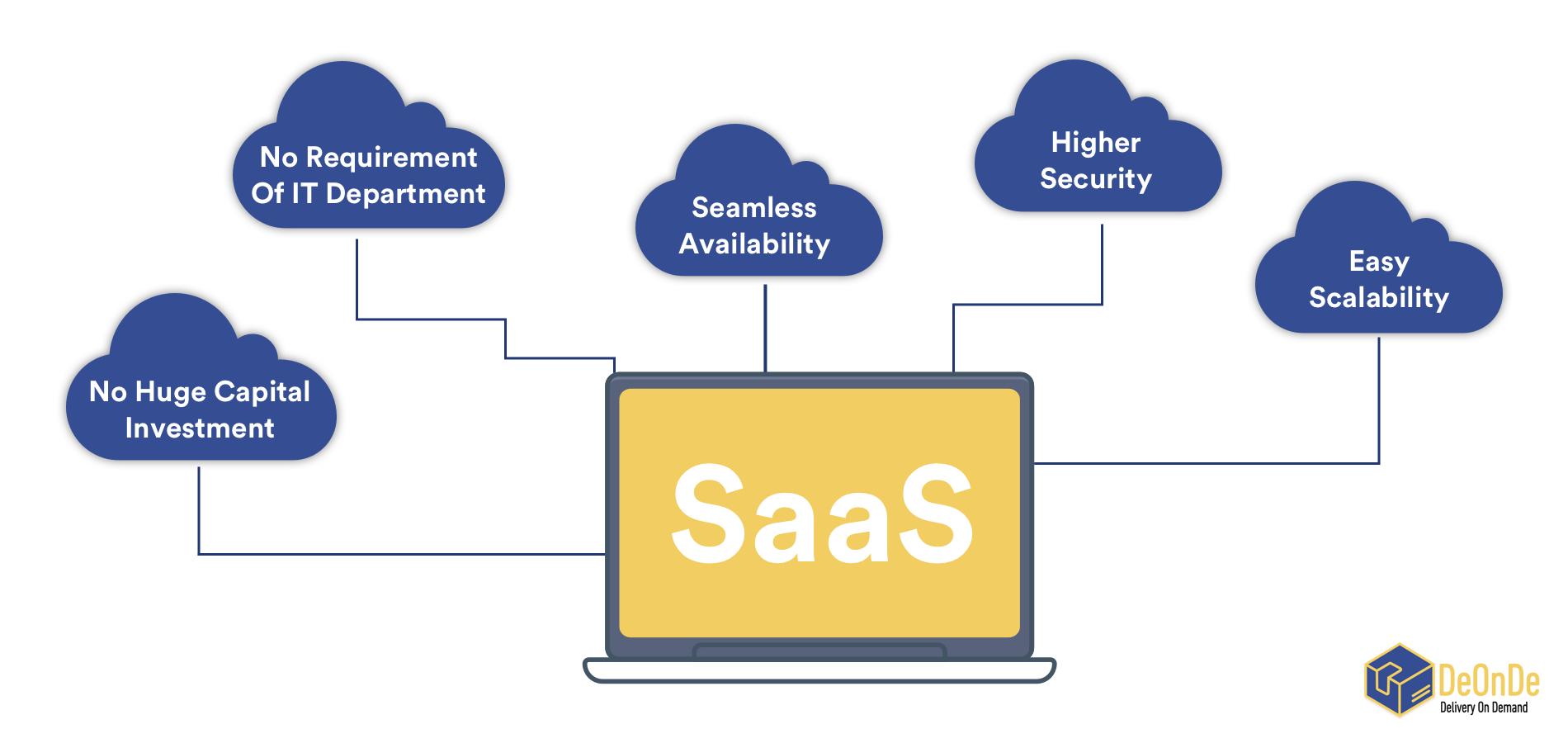
In today’s fast-paced digital landscape, businesses of all sizes are continuously seeking innovative ways to enhance their operations and drive growth. As we navigate an era defined by rapid technological advancements, Software as a Service (SaaS) has emerged as a transformative solution that empowers organizations to streamline processes, improve efficiency, and scale with agility. Whether you’re a burgeoning startup or an established enterprise, understanding how to leverage SaaS solutions can be a game-changer for unlocking your business’s full potential. In this article, we will explore the key benefits of adopting SaaS applications, effective strategies for implementation, and real-world examples of companies that have successfully scaled their operations through this powerful technology. Join us as we delve into the world of SaaS and discover how it can be the catalyst for your business’s growth journey.
Table of Contents
- Identifying the Right SaaS Solutions for Your Business Needs
- Leveraging Automation to Enhance Efficiency and Reduce Costs
- Integrating SaaS into Your Existing Infrastructure Seamlessly
- Measuring Success: Key Metrics for Evaluating SaaS Impact on Growth
- Concluding Remarks
Identifying the Right SaaS Solutions for Your Business Needs
Choosing the appropriate Software as a Service (SaaS) solution for your business is a critical step in maximizing efficiency and driving growth. Start your decision-making process by conducting a thorough analysis of your business needs. Consider the following factors to refine your selection:
- Specific Requirements: Identify the features that are indispensable for your operations, such as CRM functionalities, project management tools, or accounting systems.
- Scalability: Opt for solutions that can grow with your business, ensuring you won’t outgrow the software as your operations expand.
- User Experience: Evaluate the platforms that offer intuitive interfaces to minimize training time and enhance user adoption.
- Integration Capabilities: Select SaaS solutions that seamlessly integrate with your existing tools and systems to streamline workflows.
- Cost Versus Value: Assess the overall value offered by potential solutions, looking beyond initial costs to the long-term benefits they can provide.
Once you have outlined your requirements, it’s essential to compare potential SaaS solutions side by side. A simple comparison table can be an effective tool to visualize critical aspects and make informed decisions:
| Feature | SaaS Solution A | SaaS Solution B | SaaS Solution C |
|---|---|---|---|
| Pricing | $20/user/month | $15/user/month | $25/user/month |
| Integrations | 15+ | 10+ | 20+ |
| User Feedback | 4.5/5 | 4.0/5 | 4.8/5 |
| Scalability Level | High | Medium | High |
This comparison should provide clarity and facilitate discussions with stakeholders, ensuring that your final decision aligns with your business objectives. Keep in mind that trials and demos can also play a pivotal role in gauging which solution best caters to your specific operational needs.
Leveraging Automation to Enhance Efficiency and Reduce Costs
In today’s fast-moving business landscape, automation has emerged as a pivotal strategy for companies striving to streamline operations and optimize resource allocation. By implementing software-as-a-service (SaaS) solutions, businesses can take advantage of advanced tools that automate mundane tasks, thereby freeing employees to focus on high-impact activities. This shift not only enhances productivity but also enables companies to scale operations without the proportional increase in overhead costs. Automated processes ensure that tasks such as data entry, customer relationship management, and inventory tracking are executed with precision and efficiency, mitigating the risk of human error and enhancing overall performance.
Moreover, adopting these technologies allows for better budgeting and forecasting capabilities, which ultimately leads to smarter financial decisions. Key benefits of leveraging automation through SaaS include:
- Cost Reduction: Automation minimizes labor costs by reducing the need for manual intervention in repetitive tasks.
- Improved Accuracy: Automated systems enhance data integrity, leading to more reliable analytics and reporting.
- Scalability: SaaS solutions can easily scale with your business, accommodating growth without requiring significant infrastructure investment.
As organizations embark on their digital transformation journeys, it’s essential to measure the effectiveness of these automation tools against key performance indicators (KPIs). A simple comparison table can illustrate the cost savings and time efficiency achieved through automation:
| Metric | Before Automation | After Automation |
|---|---|---|
| Time spent on repetitive tasks | 20 hours/week | 5 hours/week |
| Labor costs | $800/week | $200/week |
| Error rate in data entry | 15% | 2% |
Integrating SaaS into Your Existing Infrastructure Seamlessly
Integrating Software as a Service (SaaS) into your existing infrastructure is not merely about adopting new technology; it’s about creating a cohesive ecosystem that enhances productivity and drives innovation. To ensure a smooth transition, consider embracing a few best practices:
- Assess Compatibility: Analyze your current systems to identify which SaaS solutions align seamlessly with your existing infrastructure. This prevents integration issues and optimizes functionality.
- Prioritize User Training: Invest in training programs to facilitate employee understanding of new tools, which ensures higher adoption rates and minimizes resistance to change.
- Implement APIs: Leverage application programming interfaces to bridge the gap between systems, ensuring data flows smoothly and processes remain uninterrupted.
As you implement new SaaS solutions, establish a framework for continuous evaluation and improvement. Utilize performance metrics to measure integration success and identify areas for enhancement:
| Metric | Description | Target Outcome |
|---|---|---|
| User Adoption Rate | Percentage of employees using the SaaS solution regularly | 75% within the first three months |
| Data Transfer Speed | Time taken to sync data across platforms | Less than 5 seconds |
| Support Response Time | Average time taken to resolve support tickets | Under 24 hours |
Measuring Success: Key Metrics for Evaluating SaaS Impact on Growth
Evaluating the effectiveness of your SaaS solutions is crucial for understanding their impact on your business growth. Start by focusing on Key Performance Indicators (KPIs) that align with your growth objectives. Some of the most important metrics to track include:
- Customer Acquisition Cost (CAC): This measures the cost associated with acquiring a new customer, helping you understand the efficiency of your marketing efforts.
- Churn Rate: Keeping track of how many customers you lose over a specific period is essential for evaluating customer satisfaction and retention strategies.
- Monthly Recurring Revenue (MRR): This metric illustrates the revenue your business can expect consistently, aiding in financial forecasting and stability.
- Customer Lifetime Value (CLV): Understanding how much revenue a customer generates over their lifespan can help justify your CAC and inform your resource allocation.
Another vital aspect to consider is the impact of SaaS on operational efficiency. Utilizing SaaS solutions can often lead to reduced overhead costs and streamlined processes. To measure this, pay attention to metrics such as:
- Time to Deploy: This tracks the time taken to implement software solutions, reflecting on your organization’s agility.
- Usage Rates: Monitoring how often employees engage with SaaS tools can signal whether the tools are beneficial or if further training is necessary.
- Return on Investment (ROI): Calculating the financial benefits gained from your SaaS investments versus the costs incurred allows for informed decision-making regarding future technology investments.
Concluding Remarks
As we conclude this exploration of how SaaS solutions can unlock growth for your business, it’s clear that leveraging technology isn’t just a trend—it’s an essential strategy in today’s fast-paced marketplace. By embracing the scalability, flexibility, and efficiency that Software as a Service offers, you can position your business for sustained success and adaptability in an ever-evolving landscape.
As you embark on this journey, remember that the key lies in selecting the right tools that align with your objectives and integrating them into your operations seamlessly. The right SaaS solutions can transform not just how you work, but how your entire organization grows and thrives.
Whether you are a small startup or an established enterprise, now is the time to harness the power of SaaS to streamline processes, enhance customer experiences, and drive innovation. The future of your business depends on your ability to adapt, and with the right SaaS tools at your disposal, the possibilities are limitless.
Thank you for joining us on this deep dive into scaling your business through SaaS. We hope you feel inspired and equipped to take your growth strategy to the next level. If you have any questions or would like to share your experiences with SaaS, we invite you to leave a comment below. Here’s to unlocking new opportunities and achieving remarkable growth in your business!