
Unlocking Business Potential: Top Benefits of SaaS Solutions
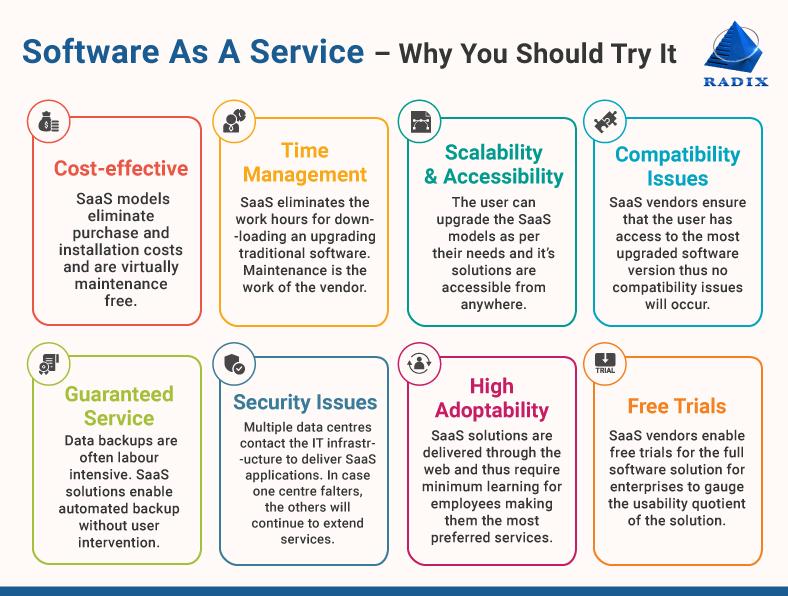
In today’s rapidly evolving business landscape, organizations are continuously searching for innovative ways to enhance efficiency, drive growth, and stay competitive. One of the most transformative developments in recent years has been the emergence of Software as a Service (SaaS) solutions. These cloud-based applications offer a wealth of advantages that not only streamline operations but also empower businesses to unlock their full potential. In this article, we will explore the top benefits of adopting SaaS solutions, demonstrating how they can serve as a game-changer for companies looking to accelerate their growth and optimize their resources. Whether you’re a small startup or an established enterprise, understanding the power of SaaS could be the key to achieving your business goals in a digital-first world. Let’s delve into the myriad ways these solutions can elevate your operations and create lasting impact.
Table of Contents
- Exploring Cost Efficiency and Scalability in SaaS Solutions
- Enhancing Collaboration and Remote Access for Teams
- Improving Security and Compliance with Cloud Technologies
- Streamlining Operations Through Automation and Integration
- Closing Remarks
Exploring Cost Efficiency and Scalability in SaaS Solutions
One of the most compelling advantages of cloud-based software-as-a-service (SaaS) solutions is their inherent cost efficiency. Traditional software models often require hefty upfront investments in licenses, hardware, and maintenance. In contrast, SaaS allows businesses to adopt a subscription-based model that spreads costs over time, making it easier to manage budgets. This shift not only minimizes the financial burden on organizations but also eliminates the need for extensive IT infrastructure. By outsourcing software management to the service provider, companies can redirect their resources toward strategic initiatives and innovation. Companies can also benefit from:
- Predictable Monthly Expenses: SaaS solutions often come with fixed monthly fees, aiding in better financial planning.
- Reduced Maintenance Costs: Service providers handle updates and maintenance, allowing teams to focus on core business activities.
- Flexible Pricing Models: Many SaaS providers offer tiered pricing, enabling businesses to scale their usage according to their needs.
In addition to cost efficiency, SaaS solutions excel in scalability. As businesses grow, their software needs often change, requiring additional features or user access. SaaS platforms readily adapt to these demands without the need for significant infrastructure overhauls. This flexibility is a game-changer, especially for startups and rapidly growing companies, allowing them to expand instantly as opportunities arise. Furthermore, with enhanced accessibility through cloud technology, teams can collaborate in real-time from anywhere, further enhancing productivity. Key factors supporting scalability in SaaS include:
- Instant Access to Features: Businesses can add new functionalities on demand through the provider’s platform.
- User Management: Easy onboarding and offboarding processes streamline user management as teams evolve.
- Global Reach: Global infrastructure ensures low latency and reliable service regardless of user location.
Enhancing Collaboration and Remote Access for Teams
In the evolving landscape of remote work, the ability to collaborate seamlessly is crucial for teams aiming to maintain productivity and innovation. SaaS solutions empower organizations by offering tools designed for real-time collaboration, enabling teams to connect from anywhere in the world. Features such as shared workspaces, asynchronous communication, and integrated file management allow team members to work together effectively, regardless of their physical location. By eliminating geographical barriers, companies can leverage a diverse pool of talent and expertise, enhancing creativity and problem-solving capabilities.
Moreover, these cloud-based solutions provide robust security measures and scalability options that traditional software often lacks. Teams can easily access applications and files without the need for complex installations or updates. This flexibility ensures that employees remain productive even while on the move. Additionally, SaaS platforms often include features such as activity tracking and performance analytics, which help managers evaluate team dynamics and output effectively. By fostering an environment of collaboration and accessibility, businesses can drive innovation and adapt swiftly in an increasingly competitive market.
Improving Security and Compliance with Cloud Technologies
In today’s rapidly evolving digital landscape, organizations must prioritize security and compliance to protect sensitive data and maintain regulatory standards. By leveraging cloud technologies, businesses can significantly enhance their security posture. SaaS solutions often come equipped with state-of-the-art security protocols, including encryption, secure access controls, and regular updates that address the latest vulnerabilities. This means that companies can focus on their core operations while entrusting security measures to dedicated providers who specialize in safeguarding information.
Moreover, cloud-based systems facilitate compliance by providing tools that automate documentation, reporting, and audits. These features streamline the process of adhering to regulations such as GDPR, HIPAA, or PCI-DSS, promoting transparency and traceability. Some notable benefits include:
- Real-time monitoring: Immediate alerts to potential breaches.
- Centralized management: Simplifies compliance processes across multiple jurisdictions.
- Regular updates: Ensures that security features meet evolving legal standards.
This approach not only minimizes the risks associated with data breaches but also enhances customer trust, establishing a solid foundation for growth and innovation.
Streamlining Operations Through Automation and Integration
In today’s fast-paced business environment, automation and integration have become essential for optimizing operations and enhancing productivity. By leveraging SaaS solutions, companies can streamline their processes, reduce manual tasks, and minimize the risk of human error. This allows teams to focus on higher-value activities that drive growth and innovation. Examples of automated processes include:
- Automated Reporting: Generate real-time insights without manual inputs.
- Client Onboarding: Simplify and accelerate the process for a seamless customer experience.
- Inventory Management: Track stock levels automatically, ensuring timely replenishments.
Furthermore, integration of various SaaS applications creates a cohesive ecosystem where data can flow freely between systems. This interconnectedness not only fosters collaboration among teams but also enables businesses to harness valuable insights from aggregated data. Some notable benefits of this integration include:
- Improved Data Accuracy: Centralized data eliminates discrepancies.
- Enhanced Communication: Real-time updates facilitate better teamwork.
- Scalability: Easily adapt technology to accommodate growing business needs.
Closing Remarks
embracing Software as a Service (SaaS) solutions can be a game changer for businesses looking to stay competitive in today’s fast-paced digital landscape. From enhanced scalability and cost savings to improved collaboration and access to the latest technology, the benefits of SaaS are manifold and impactful. As organizations continue to navigate the complexities of modern operations, integrating SaaS into their strategies not only unlocks potential but also fosters a culture of innovation and agility.
As you contemplate the next steps for your business, consider how SaaS can optimize your processes, empower your teams, and ultimately drive success. The future is here, and by leveraging these powerful cloud-based tools, you can position your business not just to survive, but to thrive in an increasingly interconnected world. Embrace the possibilities—unlock your business potential with SaaS today.