
Understanding the Security Risks of SaaS Applications
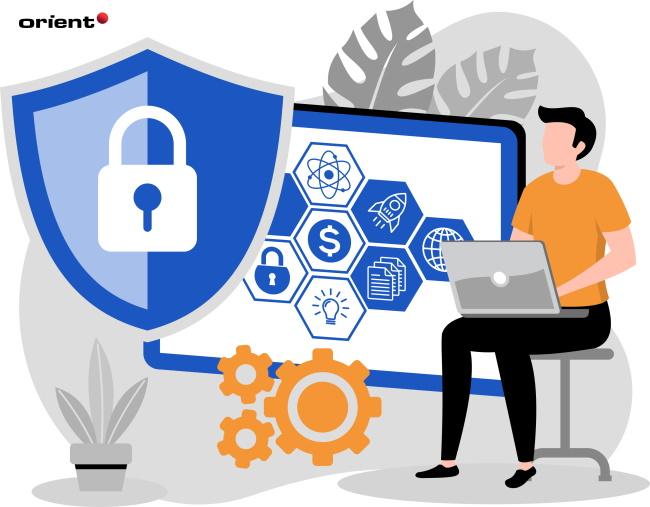
: A Comprehensive Overview
In today’s digital landscape, Software as a Service (SaaS) applications have revolutionized the way businesses operate, enabling organizations to leverage powerful tools and resources with minimal upfront investment. This shift towards cloud-based solutions has driven innovation and efficiency, offering flexibility and scalability that traditional software deployments often struggle to match. However, as with any technological advancement, the rapid adoption of SaaS comes with its own set of security challenges that can pose significant risks to data integrity, confidentiality, and business continuity.
As organizations increasingly rely on SaaS applications for critical operations, understanding the security risks associated with these platforms is essential. From data breaches and compliance issues to vendor management concerns, the vulnerabilities inherent in cloud-based services can jeopardize sensitive information and impact overall business performance. In this article, we will delve into the key security risks of SaaS applications, explore best practices for mitigating these threats, and provide actionable insights for organizations to safeguard their data in an increasingly complex cyber landscape. Join us as we navigate the intricacies of SaaS security and equip your business with the knowledge needed to thrive in a cloud-centric world.
Table of Contents
- Assessing Vulnerabilities in SaaS Platforms for Enhanced Security
- Implementing Best Practices for Data Protection in Cloud Applications
- Mitigating Compliance Risks When Using SaaS Solutions
- Establishing a Comprehensive Incident Response Strategy for SaaS Environments
- In Retrospect
Assessing Vulnerabilities in SaaS Platforms for Enhanced Security
In the ever-evolving landscape of software as a service (SaaS), organizations face a myriad of potential vulnerabilities that can compromise sensitive data and disrupt operations. To effectively enhance security, it is crucial to perform thorough assessments of these vulnerabilities. Common areas of concern include:
- Data Breach Risks: Unsecured data storage and transmission can expose organizations to breaches.
- Misconfiguration Issues: Improperly configured settings in cloud applications can create loopholes for unauthorized access.
- Inadequate User Authentication: Weak authentication practices can grant malicious actors easy access.
Utilizing a structured security assessment methodology can help in identifying and mitigating these vulnerabilities. Employing tools like vulnerability scanners, penetration testing, and regular audits can significantly bolster an organization’s security stance. Below is a simple table that summarizes the recommended security practices for SaaS platforms:
| Security Practice | Description |
|---|---|
| Regular Updates | Ensure all software components are consistently updated to protect against newly discovered vulnerabilities. |
| User Training | Equip users with knowledge on security best practices to mitigate human errors. |
| Two-Factor Authentication | Implement an additional layer of security to verify user identities beyond passwords. |
Implementing Best Practices for Data Protection in Cloud Applications
When it comes to securing cloud applications, adhering to best practices for data protection is essential. Organizations should prioritize the encryption of sensitive data, both at rest and in transit, to mitigate the risk of unauthorized access. Implementing robust access control measures is also critical; this includes utilizing role-based access controls (RBAC) and ensuring that permissions are limited to only those necessary for day-to-day operations. Additionally, conducting regular security assessments and vulnerability scans can help identify and rectify potential weaknesses before they can be exploited. Other crucial practices include:
- Regular updates and patch management for all software components
- Data backup solutions to ensure recovery from unforeseen data loss
- User training to raise awareness of phishing attacks and social engineering
Another significant aspect of data protection in cloud applications involves the establishment of a comprehensive incident response plan. Organizations should define clear protocols for identifying, responding to, and recovering from security breaches. Incorporating automated security tools can enhance the detection capabilities, allowing teams to respond swiftly to threats. Communication is also key — stakeholders should be informed about data protection policies and incident response procedures. The following table outlines essential components of an effective incident response strategy:
| Component | Description |
|---|---|
| Identification | Detect potential security incidents promptly |
| Containment | Limit the impact of the security breach |
| Eradication | Remove the root cause of the incident |
| Recovery | Restore systems to normal operations |
| Lessons Learned | Document the incident for future reference and improvement |
Mitigating Compliance Risks When Using SaaS Solutions
When integrating Software as a Service (SaaS) solutions into your business operations, it’s essential to proactively address compliance risks. One of the most effective ways to do this is by conducting thorough vendor assessments before adopting any SaaS application. This process should include an evaluation of how the provider manages data security, privacy policies, and compliance with relevant regulations such as GDPR or HIPAA. Key focus areas for assessment include:
- Data Encryption: Ensure that data is encrypted both in transit and at rest.
- Access Controls: Verify that robust access management protocols are in place.
- Incident Response: Review the vendor’s incident response plan and history of data breaches.
Establishing clear and comprehensive service level agreements (SLAs) is another fundamental step in mitigating compliance risks. SLAs should clearly outline the responsibilities of the vendor in terms of compliance with laws and regulations. This includes specifying the extent of liability in case of non-compliance, along with specific compliance criteria. A simple table format can be useful for summarizing key elements of SLAs:
| Compliance Element | Details |
|---|---|
| Liability for Non-compliance | Vendor must address penalties and obligations. |
| Data Processing Agreement | Outlines data handling and protection measures. |
| Audit Rights | Customer’s right to audit compliance status. |
Establishing a Comprehensive Incident Response Strategy for SaaS Environments
Developing a robust incident response strategy tailored for SaaS environments is crucial in mitigating potential security risks. This strategy should encompass a well-defined framework that addresses how to identify, respond to, and recover from incidents affecting SaaS applications. Key components of this strategy include:
- Incident Identification: Establish clear guidelines for recognizing various types of security breaches and vulnerabilities.
- Response Protocols: Define a step-by-step approach on how to address incidents, ensuring all team members know their roles.
- Communication Plans: Implement processes for timely updates to stakeholders and customers during incidents.
- Post-Incident Review: Conduct thorough analyses after an incident to understand what went wrong and how to prevent future occurrences.
Regular training sessions and simulations can further reinforce the effectiveness of the incident response strategy. Involve stakeholders across the organization to promote a culture of security awareness. Furthermore, consider integrating advanced technologies to enhance monitoring and detection capabilities. An effective SaaS incident response strategy could include:
| Aspect | Description |
|---|---|
| Monitoring Tools | Use automated tools for real-time threat detection and analysis. |
| Threat Intelligence | Leverage external data sources to stay informed about potential threats. |
| Compliance Checks | Regular audits to ensure adherence to regulatory requirements. |
In Retrospect
as the reliance on Software as a Service (SaaS) applications continues to grow, so does the importance of understanding and mitigating the security risks associated with them. While SaaS offers remarkable convenience and flexibility, organizations must remain vigilant in their approach to security. By implementing best practices such as regular risk assessments, comprehensive data encryption, and thorough vendor evaluations, businesses can protect their sensitive information and maintain trust with their clients.
Remember, being proactive about security is not just a technical requirement; it’s an essential aspect of your organizational strategy. As we move further into a digital-first world, the responsibility falls on both users and providers to foster an environment where security is a shared priority. By staying informed and adapting to the evolving threat landscape, you can leverage the benefits of SaaS applications while minimizing potential risks.
Thank you for joining us in this exploration of SaaS security! If you have further questions or need assistance in implementing these strategies, feel free to reach out in the comments below or connect with us directly. Together, we can navigate the complexities of SaaS and build a secure digital future.