
Understanding SaaS: What It Is and How It Operates
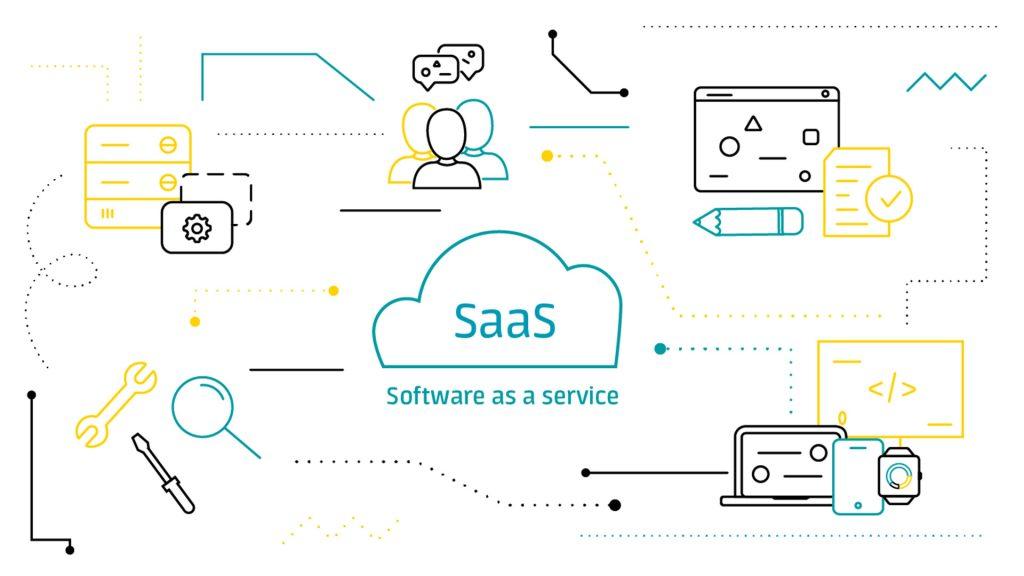
In today’s fast-paced digital landscape, the way businesses leverage technology is constantly evolving. One of the most transformative innovations in recent years is Software as a Service, or SaaS. This cloud-based delivery model has revolutionized how organizations access and utilize software, making it more convenient and cost-effective than ever before. But what exactly is SaaS, and how does it operate behind the scenes? In this article, we’ll unravel the complexities of SaaS, exploring its core functionalities, benefits, and the specific mechanisms that make it a staple for companies of all sizes. Whether you’re a seasoned IT professional or a business owner eager to enhance your operations, understanding SaaS is essential to navigating the modern technological landscape. Join us as we delve into the nuances of this powerful model and discover how it can drive efficiency and innovation in your organization.
Table of Contents
- Understanding the Fundamentals of Software as a Service
- Key Advantages of SaaS for Businesses Today
- Exploring the Technical Architecture of SaaS Solutions
- Best Practices for Choosing and Implementing SaaS Platforms
- Closing Remarks
Understanding the Fundamentals of Software as a Service
Software as a Service (SaaS) represents a paradigm shift in how businesses and individuals utilize software applications. Unlike traditional models that require on-premise installations, SaaS delivers applications over the Internet, allowing users to access them through various devices and platforms. This model eliminates the need for extensive IT infrastructure and maintenance, as the service provider manages the software, ensuring updates and security protocols are in place. Key characteristics of SaaS include:
- Accessibility: Users can log in from anywhere with an internet connection.
- Subscription-based model: Payments are typically made on a monthly or annual basis, offering flexibility.
- Scalability: Services can be easily adjusted according to user needs, accommodating growth.
The operational mechanics of SaaS are equally significant. Service providers host the software on their servers, which mitigates compatibility issues across devices. Users interact with the software via a web browser, simplifying the user experience and contributing to its popularity among businesses of all sizes. Furthermore, SaaS solutions often integrate seamlessly with other applications, allowing for enhanced functionality and streamlined workflows. A breakdown of popular SaaS categories includes:
| Category | Examples |
|---|---|
| Customer Relationship Management (CRM) | Salesforce, HubSpot |
| Collaboration Tools | Slack, Microsoft Teams |
| Content Management Systems (CMS) | WordPress, Wix |
Key Advantages of SaaS for Businesses Today
Software as a Service (SaaS) offers a multitude of benefits that cater to modern business needs. One of the key advantages is the cost-effectiveness it provides. Traditional software installations often require significant upfront investment for licenses, hardware, and IT management. Conversely, SaaS typically operates on a subscription basis, allowing businesses to spread costs over time and avoid hefty capital expenditures. This translates to lower overall expenses, making high-quality software accessible to startups and established companies alike.
Additionally, SaaS solutions enhance scalability and flexibility. As businesses grow, their software requirements often change. SaaS platforms enable organizations to quickly add or remove users and features without the need for complex upgrades or installations. This adaptability allows companies to scale operations efficiently while maintaining the agility needed to respond to market dynamics. Furthermore, automatic updates mean users always have access to the latest features and security enhancements without any disruptions.
Exploring the Technical Architecture of SaaS Solutions
At the core of every Software as a Service (SaaS) application lies a well-defined technical architecture that facilitates seamless user interactions while ensuring robust performance, scalability, and security. SaaS solutions typically adhere to a multi-tenant architecture model, where multiple customers share the same application instance while keeping their data segregated. This approach not only maximizes resource efficiency but also simplifies maintenance and updates. Key components of a typical SaaS architecture include:
- Web Server: Handles user requests and responds with the appropriate data or service.
- Application Server: Processes business logic and serves as the backbone of the application.
- Database: Stores user data, configurations, and application state.
- API Gateway: Manages and routes requests between clients and services, enhancing security and monitoring.
The technology stack employed in these architectures can vary significantly, often incorporating cloud services to heighten resilience and scalability. Many SaaS providers leverage microservices architecture, allowing teams to develop, deploy, and scale individual services independently. This modular approach not only enhances development speed but also encourages innovation. Below is a simple table illustrating some popular cloud platforms utilized in SaaS deployments:
| Platform | Key Features |
|---|---|
| AWS | Scalable storage, extensive service range, global reach. |
| Microsoft Azure | Strong enterprise integration, hybrid cloud capabilities. |
| Google Cloud Platform | Data analytics, machine learning services, high performance. |
Best Practices for Choosing and Implementing SaaS Platforms
When selecting and implementing a SaaS platform, it’s crucial to thoroughly evaluate your organization’s specific needs. Identify core functionalities your business requires, such as project management, customer relationship management (CRM), or data analytics. In addition, assess the platform’s scalability to ensure it can grow with your business. Key considerations include:
- User Experience: An intuitive interface can drastically improve adoption rates. Look for platforms with easy navigation and comprehensive support.
- Integration Capabilities: Ensure the SaaS application can seamlessly integrate with your existing systems, enhancing operational efficiency.
- Data Security: Confirm that the provider adheres to industry-standard security protocols to protect sensitive information.
After selecting a suitable platform, the next step is a structured implementation plan. Engage key stakeholders early in the process to create a sense of ownership and commitment. It is advisable to develop a timeline with clear milestones, assisting in tracking progress effectively. Consider the following to facilitate a smooth transition:
- Training Programs: Provide comprehensive training for users to mitigate resistance and enhance proficiency.
- Feedback Loops: Establish channels for user feedback to continuously optimize the platform based on actual experiences.
- Performance Metrics: Define clear KPIs to measure the impact of the SaaS platform on your business processes.
Closing Remarks
understanding Software as a Service (SaaS) is essential in navigating today’s rapidly evolving digital landscape. As businesses continue to prioritize agility and innovation, the appeal of SaaS solutions becomes increasingly evident. By embracing this model, organizations not only achieve cost savings and enhanced collaboration but also gain access to powerful tools that drive efficiency and growth.
As we’ve explored, SaaS operates on a foundation of cloud-based delivery, offering users flexibility and scalability that traditional software models often lack. Whether you’re a startup looking to streamline operations or an established enterprise aiming to enhance productivity, integrating SaaS into your strategy can unlock numerous advantages.
As the SaaS landscape continues to expand, staying informed about emerging trends and technologies will be crucial. We encourage you to explore different SaaS offerings, understand their unique features, and consider how they can fit into your organization’s specific needs.
Thank you for joining us in this exploration of SaaS. We hope this article has provided clarity and inspiration for you to consider how software as a service can transform not only your business operations but also your overall approach to technology. If you have any questions or insights to share, feel free to leave a comment below!