
Understanding Colocation Hosting: Is It the Right Choice?
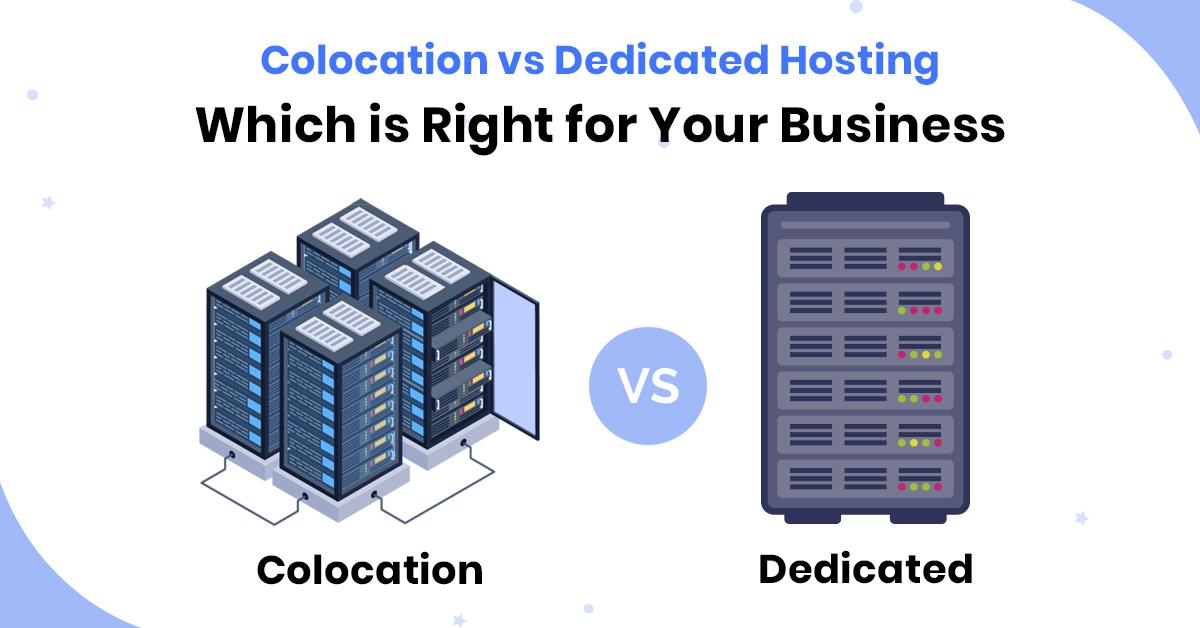
In today’s digital landscape, businesses are constantly seeking ways to enhance their infrastructure while ensuring optimal performance, security, and scalability. Among the myriad of hosting solutions available, colocation hosting has emerged as a compelling choice for many organizations. But what exactly is colocation hosting, and how does it differ from traditional hosting options? In this article, we’ll break down the essentials of colocation hosting, exploring its unique benefits and considerations. Whether you’re a startup poised for growth or an established enterprise looking to streamline your IT operations, understanding colocation hosting is crucial to making informed decisions about your digital infrastructure. Join us as we demystify this powerful hosting solution and help you determine if it’s the right fit for your business needs.
Table of Contents
- Exploring the Basics of Colocation Hosting and Its Benefits
- Evaluating Key Features of Colocation Facilities for Your Business Needs
- Cost Considerations and Budgeting for Colocation Services
- Making the Decision: When Colocation Hosting is the Optimal Choice
- Insights and Conclusions
Exploring the Basics of Colocation Hosting and Its Benefits
Colocation hosting is an innovative solution that allows businesses to own their server hardware while benefiting from a third-party data center’s infrastructure. This option offers significant advantages, such as enhanced security, increased bandwidth, and robust backup systems. By placing servers in a specialized facility, companies can enjoy 24/7 monitoring and a controlled environment that protects against theft, fire, and natural disasters. Unlike traditional hosting, where the service provider manages everything, colocation allows organizations to maintain direct control over their own equipment, leading to greater customization and flexibility.
One of the key benefits of colocation is the cost-effective approach to high-performance computing. Organizations can avoid the hefty expenses of building and maintaining their own data centers. Instead, they invest in scalable solutions that meet their growing needs. Additionally, colocation providers typically offer access to high-speed internet connections, redundant power supplies, and network connectivity, which can enhance operational efficiency. The following table summarizes some of the essential benefits of colocation hosting:
| Benefit | Description |
|---|---|
| Security | Advanced security measures, including surveillance and controlled access. |
| Reliability | Redundant power and internet connections minimize downtime. |
| Scalability | Easily upgrade or expand resources as needed. |
| Cost Savings | Reduce overhead costs associated with maintaining a private data center. |
Evaluating Key Features of Colocation Facilities for Your Business Needs
Choosing a colocation facility for your business involves assessing various features that align with your operational requirements. Location plays a crucial role; proximity to your business can significantly reduce latency and enhance connectivity options. Evaluate the facility’s security measures, including biometric access, 24/7 surveillance, and fire protection systems. Additionally, examine the scalability of their services, which should accommodate future growth without incurring excessive costs or operational disruptions.
Another vital aspect is the network connectivity offered by the colocation provider. Look for multiple internet service providers (ISPs) to ensure redundancy and reliable uptime. It’s also beneficial to consider their power infrastructure, as consistent power supply and backup systems are necessary for minimizing downtime risks. A transparent billing structure is essential, so you can predict costs and avoid unexpected expenses. Comparing these key features among different providers can lead you to a choice that best fits your business’s unique needs.
Cost Considerations and Budgeting for Colocation Services
When considering colocation services, it’s essential to factor in both the direct and indirect costs associated with this option. Monthly fees for colocation can vary significantly based on factors such as the size of the space, power requirements, and bandwidth options. Colocation centers often charge for the space occupied by your servers, which typically ranges from $50 to $300 per rack unit per month. Additional charges may apply for power usage, IP addresses, and additional services such as managed support, backup solutions, or enhanced physical security. It’s vital to assess your current and future needs to ensure that you select a plan that offers the right balance of flexibility and cost-effectiveness.
In addition to the base expenses, organizations should also consider potential hidden costs that could arise from downtime, staff training, or unexpected infrastructure changes. For instance, colocation facilities may have restrictions on equipment size and type, which could necessitate unplanned investments in compatible hardware or alterations to your existing setup. When budgeting, companies should prepare a comprehensive financial plan that includes:
- Initial Setup Costs: Installation and migration expenses.
- Ongoing Expenses: Monthly service fees and maintenance costs.
- Contingency Funds: A reserve for equipment failure or urgent upgrades.
To visualize expenses further, a comparison table can be helpful:
| Cost Item | Estimated Monthly Cost |
|---|---|
| Rack Space (1U) | $50 – $300 |
| Power (Per Amp) | $10 – $30 |
| IP Address | $2 – $5 |
| Managed Services | $100 – $500 |
Understanding these elements of cost will enable you to make informed decisions and develop a robust budget that accommodates the long-term financial health of your business while leveraging the advantages of colocation hosting.
Making the Decision: When Colocation Hosting is the Optimal Choice
Choosing colocation hosting can be a game changer for businesses seeking greater control over their IT infrastructure. This option makes sense when you need high performance and reliability but lack the space or resources to build your own data center. Colocation allows you to leverage third-party facilities that provide premium bandwidth, cooling systems, and advanced security measures while maintaining ownership of your hardware. This hybrid approach is especially attractive for organizations that require compliance with regulatory standards or have specific uptime demands.
Moreover, colocation hosting is ideal for businesses experiencing rapid growth or those with fluctuating traffic demands. By opting for colocation, you can easily scale your hardware needs without the upfront costs associated with building out physical infrastructure. The flexibility of pay-as-you-go pricing and the enhanced support from seasoned experts further streamline operational management. Key considerations for making this decision include:
- Cost-efficiency: Reduce hardware expenditures and operational expenses
- Expert support: Access to skilled support staff for maintenance and monitoring
- Security: Benefit from advanced physical security measures
- Scalability: Easily adapt your resources to market demands
Insights and Conclusions
understanding colocation hosting is essential for businesses seeking scalable, secure, and reliable solutions for their IT infrastructure. It offers a compelling mix of flexibility and control, allowing organizations to maximize their resources while ensuring top-notch security and performance. However, it’s crucial to evaluate your specific needs, budget, and long-term goals before making a decision.
As you navigate the myriad of options available, consider how colocation can align with your operational demands and growth ambitions. Whether you’re a small startup or a large enterprise, the right hosting solution can make all the difference in driving your business forward.
If you decide to explore colocation hosting further, take the time to consult with service providers, ask the right questions, and assess the benefits in the context of your unique requirements. With the right approach, colocation could be the strategic move that enhances your IT capabilities and propels your organization to new heights.
Thank you for joining us on this journey to uncover the intricacies of colocation hosting. We hope this article has provided you with insightful guidance as you weigh your options in the ever-evolving landscape of technology and data management. Stay informed, stay empowered, and choose wisely for your business’s future!