
Transforming Supply Chain Efficiency: The SaaS Advantage
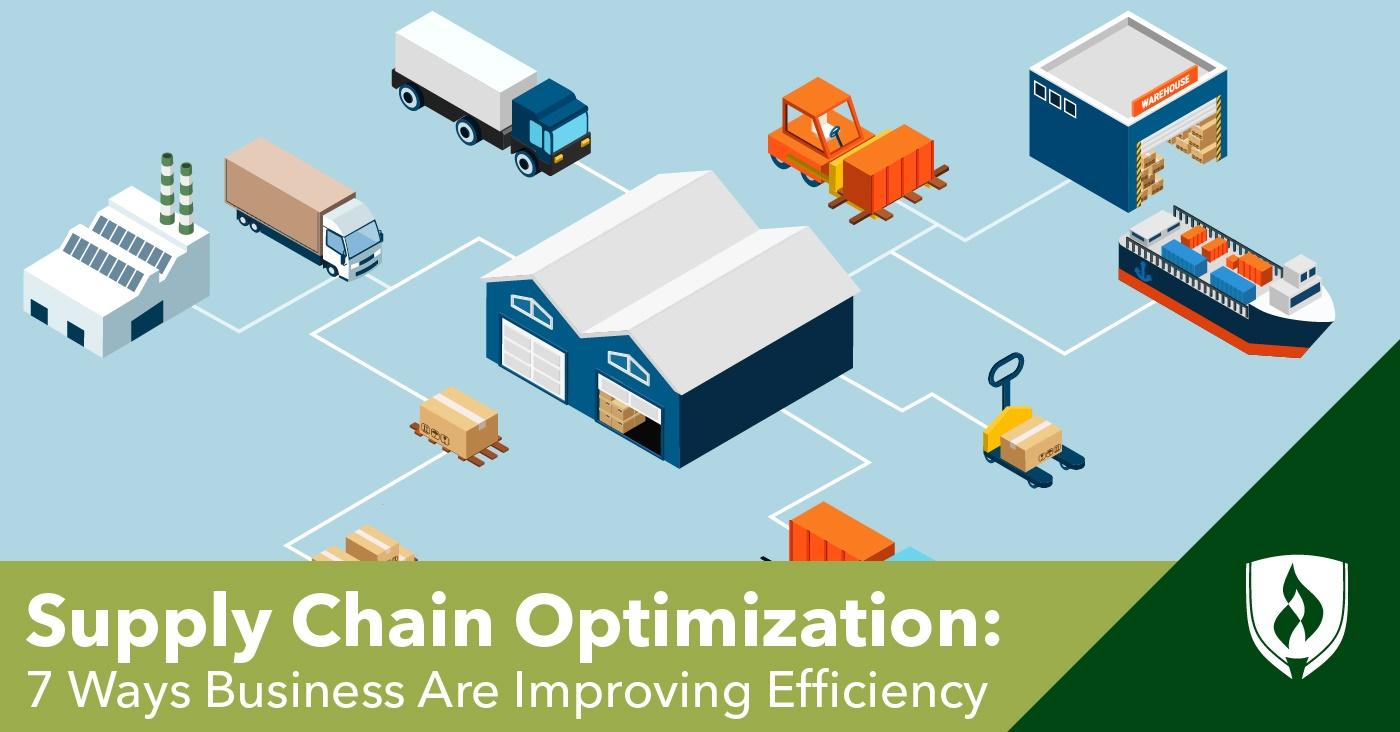
In an increasingly interconnected world, the efficiency of supply chains has never been more critical to the success of businesses across all industries. As companies strive to navigate the complexities of global markets, the demand for innovative solutions that enhance operational agility and transparency is paramount. Enter Software as a Service (SaaS), a transformative force in the realm of supply chain management. By leveraging cloud-based technology, businesses are not only streamlining their operations but also gaining invaluable insights that drive informed decision-making. In this article, we will explore the myriad ways in which SaaS is revolutionizing supply chain efficiency, from real-time data analytics to improved collaboration, and examine why adopting this cutting-edge approach is essential for companies looking to thrive in today’s competitive landscape. Whether you’re a logistics manager, a business owner, or simply interested in the future of supply chain innovation, join us as we delve into the SaaS advantage and its implications for sustainable growth and resilience.
Table of Contents
- Enhancing Visibility and Control Through Real-Time Data Analytics
- Streamlining Collaboration with Integrated SaaS Solutions
- Improving Demand Forecasting and Inventory Management Strategies
- Implementing Scalable Infrastructure for Future Growth and Adaptability
- Final Thoughts
Enhancing Visibility and Control Through Real-Time Data Analytics
In today’s fast-paced business environment, the need for real-time data analytics has never been more crucial. By harnessing the power of cloud-based SaaS solutions, organizations can gain immediate insights into their supply chain operations. This capability not only allows for prompt decision-making but also enhances operational transparency across various stages of the supply chain. Companies can monitor inventory levels, supplier performance, and logistics in real-time, significantly reducing the risk of disruptions caused by delays or inaccuracies.
Moreover, advanced analytics tools enable supply chain managers to identify patterns and forecast future demand with remarkable precision. By leveraging these insights, businesses can optimize their inventory management and production schedules, lowering costs and improving service levels. Key benefits of integrating real-time analytics into supply chain management include:
- Improved Responsiveness: Quickly address issues before they escalate.
- Data-Driven Decisions: Make informed choices based on up-to-the-minute information.
- Enhanced Collaboration: Foster seamless communication among stakeholders.
Ultimately, the integration of real-time data analytics into supply chain processes not only fosters increased efficiency but also builds a foundation for sustained competitive advantage in an increasingly complex marketplace.
Streamlining Collaboration with Integrated SaaS Solutions
In a rapidly evolving business landscape, the ability to collaborate seamlessly across various departments is critical to achieving operational excellence. Integrated SaaS solutions offer a streamlined approach to facilitate teamwork by centralizing communication and data sharing. With tools that bring together procurement, inventory management, and distribution, organizations can enjoy enhanced transparency and real-time tracking of supply chain activities. By harnessing cloud-based platforms, teams can work from anywhere, breaking down geographical barriers that once hindered effective collaboration.
Implementing these solutions not only simplifies workflows but also fosters a culture of innovation. The agility provided by integrated SaaS allows businesses to adapt their strategies swiftly in response to market changes. Features like automated reporting and analytics empower teams to make data-driven decisions collaboratively. Key benefits include:
- Increased Visibility: All stakeholders have access to the same information, minimizing the risks of miscommunication.
- Enhanced Accountability: Clear assignment of tasks promotes responsibility among team members.
- Scalability: Businesses can easily adjust their service level to meet changing demands.
Ultimately, harnessing integrated SaaS solutions ensures that supply chain processes are not only efficient but also resilient, paving the way for sustained competitive advantage.
Improving Demand Forecasting and Inventory Management Strategies
Leveraging advanced analytics within SaaS platforms can dramatically enhance the accuracy of demand forecasting. By utilizing historical data and real-time insights, businesses can implement predictive algorithms to anticipate fluctuations in consumer behaviour. Key benefits of employing these tools include:
- Reduced Stockouts: Accurate forecasts prevent the risk of running out of popular items.
- Minimized Overstock: Optimize inventory levels to lower holding costs.
- Enhanced Decision-Making: Equip teams with actionable insights to make informed choices about procurement and distribution.
Furthermore, seamless integration of SaaS solutions with existing supply chain management systems fosters greater collaboration among stakeholders. Real-time data sharing among suppliers, distributors, and retailers results in more synchronized operations. This approach can be illustrated through a simplified framework:
| Component | Impact |
|---|---|
| Inventory Levels | Align stock with demand forecasts |
| Lead Times | Decrease response time to market changes |
| Customer Satisfaction | Improve service levels and trust |
Implementing Scalable Infrastructure for Future Growth and Adaptability
In today’s fast-paced business environment, organizations must prioritize flexibility and scalability in their infrastructure to keep pace with market evolution. By leveraging Software as a Service (SaaS) solutions, businesses can easily scale their supply chain operations without the burden of traditional hardware limitations. Such agility not only enhances adaptability but also paves the way for organizations to respond proactively to changing customer demands. Key features that contribute to this proactive responsiveness include:
- Cloud-Based Accessibility: Teams can access tools and data from anywhere, facilitating real-time collaboration and decision-making.
- Seamless Integration: SaaS can easily integrate with existing systems, allowing for a unified approach to supply chain management.
- Automatic Updates: Providers manage software updates and maintenance, ensuring that businesses are always operating with the latest features and security enhancements.
Additionally, a scalable infrastructure enables businesses to experiment and innovate without significant upfront investment. For instance, using a modular SaaS approach allows companies to add or modify applications based on evolving needs, ensuring they are not locked into a single solution. This strategy can be clearly illustrated by the potential benefits outlined in the table below:
| Feature | Benefit |
|---|---|
| Modular Solutions | Customizable to suit specific operational needs. |
| Pay-as-You-Go Models | Reduced financial risk with scalable payment options. |
| Enhanced Data Analytics | Improved decision-making through real-time insights. |
Final Thoughts
the transformative potential of Software as a Service (SaaS) solutions in supply chain management is both profound and necessary in today’s fast-paced market landscape. By streamlining operations, enhancing visibility, and fostering collaboration, SaaS not only drives efficiency but also empowers organizations to pivot swiftly in response to dynamic market demands. As businesses continue to embrace digital transformation, utilizing SaaS tools will not only set them apart from the competition but also pave the way for a more resilient and agile supply chain.
As you consider your own supply chain strategies, remember that embracing these cloud-based solutions can lead to significant cost savings, improved service levels, and a strengthened competitive edge. The future of supply chain efficiency lies in innovation, and there’s no doubt that the SaaS advantage is a game changer. So, whether you’re just starting your SaaS journey or looking to optimize your existing systems, harnessing this technology will undoubtedly propel your organization towards unprecedented efficiency and growth.
Thank you for joining us in exploring the SaaS advantage in supply chain management. Stay tuned for more insights and strategies to help you navigate the evolving landscape of business operations.