
Transforming Software Development: The SaaS Revolution
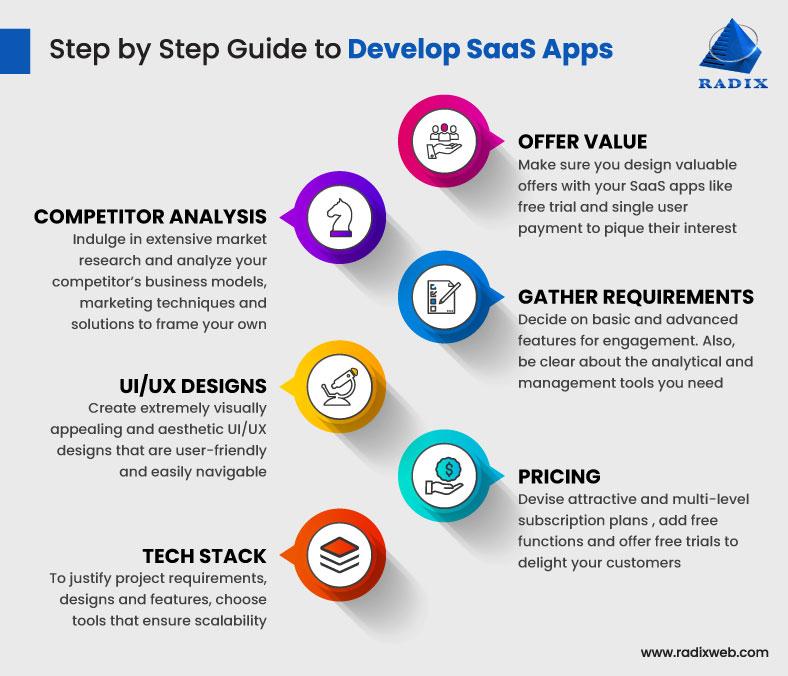
The landscape of software development has undergone a seismic shift in recent years, and at the forefront of this transformation is the Software as a Service (SaaS) model. No longer confined to traditional on-premise installations and lengthy deployment cycles, SaaS has redefined how organizations access, utilize, and maintain software solutions. This revolution not only streamlines processes and enhances collaboration but also empowers businesses of all sizes to harness cutting-edge technologies with unprecedented agility. In this article, we will explore the key drivers behind the SaaS revolution, its transformative impact on software development practices, and the ways it is reshaping workflows, reducing costs, and fostering innovation in today’s digital landscape. Whether you’re a seasoned developer, a project manager, or a business leader, understanding the nuances of SaaS is essential to navigating this new era of software development. Join us as we delve into the myriad ways SaaS is revolutionizing how we build, deploy, and interact with software in an ever-evolving technological ecosystem.
Table of Contents
- Understanding the SaaS Landscape: Opportunities and Challenges for Developers
- Driving Collaboration and Innovation Through Cloud-Based Solutions
- Best Practices for Adopting SaaS in Software Development Environments
- Measuring Success: Key Metrics for Evaluating SaaS Implementation in Projects
- Future Outlook
Understanding the SaaS Landscape: Opportunities and Challenges for Developers
Software as a Service (SaaS) has dramatically reshaped the software development landscape, providing developers with unique opportunities to innovate and scale their solutions rapidly. The inherent flexibility of SaaS architecture enables developers to deliver updates and new features seamlessly, allowing for real-time enhancements based on user feedback. This shift not only accelerates the development cycle but also encourages a culture of continuous integration and deployment, ensuring that users always have access to the latest improvements. As a developer, you can tap into a global market without the constraints of traditional software delivery, making your applications accessible from anywhere with an internet connection. Here are some opportunities that SaaS presents:
- Scalability: Easily adapt your solution to fit the needs of a growing user base.
- Cost Effectiveness: Reduced infrastructure costs and overheads associated with traditional software.
- User Engagement: Directly interact with users for feedback and feature requests.
However, alongside these opportunities come significant challenges that developers must navigate. The competitive nature of the SaaS market means that standing out requires not only robust software but also exceptional user experience and strategic marketing. Security concerns are paramount, as the move to cloud-based solutions has heightened risks related to data breaches and compliance with regulations like GDPR. Developers must prioritize building secure applications and managing data responsibly to maintain user trust. Here are some challenges developers face:
- Security Risks: Ensuring the protection of user data against cyber threats.
- Compliance: Navigating complex regulatory frameworks.
- Market Saturation: Differentiating your product in a crowded marketplace.
| Opportunity | Challenge |
|---|---|
| Scalability | Market Saturation |
| Cost Effectiveness | Security Risks |
| User Engagement | Compliance Requirements |
Driving Collaboration and Innovation Through Cloud-Based Solutions
Collaboration and innovation thrive in environments that break down traditional barriers, and cloud-based platforms are redefining how teams work together. By leveraging the scalability and accessibility of Software as a Service (SaaS), organizations can easily integrate disparate tools and resources, fostering an environment where creativity flourishes. Key advantages of cloud solutions include:
- Real-time collaboration: Teams can collaborate from anywhere, eliminating geographical constraints.
- Seamless updates: Continuous integration and continuous delivery (CI/CD) ensure that all team members are using the latest features.
- Centralized data management: A single source of truth enhances transparency and reduces the risk of errors.
Moreover, cloud-based solutions empower organizations to harness the power of analytics and artificial intelligence, unlocking insights that drive innovation. This shift enables teams to iterate faster, respond to market demands with agility, and create products that resonate with users. An illustrative comparison table below highlights the impact of conventional software development versus cloud-based solutions:
| Aspect | Traditional Development | Cloud-Based Development |
|---|---|---|
| Deployment Speed | Weeks to Months | Hours to Days |
| Cost Structure | High Upfront Costs | Pay-as-You-Go |
| Scalability | Limited by Infrastructure | On-Demand Resources |
Best Practices for Adopting SaaS in Software Development Environments
Adopting Software as a Service (SaaS) within software development environments requires a strategic approach to ensure seamless integration and optimal benefits. Start by evaluating your current processes and identifying areas where SaaS solutions can enhance efficiency. Look for tools that offer collaboration and transparency, allowing teams to work cohesively regardless of their geographic locations. It’s also crucial to choose platforms with robust security measures to safeguard your code and data. Key aspects to consider during the selection process include:
- Scalability: Ensure the service can grow with your team’s needs.
- Integration: Verify compatibility with existing tools and systems.
- User Experience: Prioritize user-friendly interfaces that reduce the learning curve.
- Support and Documentation: Look for comprehensive resources and responsive support teams.
Once the tools are in place, encourage a culture that embraces change and innovation. Provide ongoing training programs to enhance familiarity with the SaaS products, driving user adoption and maximizing their potential. Monitoring usage and gathering feedback from team members can help in fine-tuning your SaaS strategies. Consider implementing a regular review cycle to assess tool performance and user satisfaction. Here’s a simple table that summarizes key areas to evaluate:
| Criteria | Importance | Evaluation Method |
|---|---|---|
| Performance | High | Monitoring KPIs |
| User Satisfaction | Medium | Feedback Surveys |
| Integration | High | Compatibility Tests |
| Security | Critical | Regular Audits |
Measuring Success: Key Metrics for Evaluating SaaS Implementation in Projects
Measuring the effectiveness of SaaS implementation in projects requires a comprehensive set of metrics that align with strategic business goals. Some of the key metrics to consider include:
- User Adoption Rate: Tracking how many users are actively engaging with the software versus the total number of licenses purchased.
- Time-to-Value: Measuring the time it takes from the implementation of the software to the moment users start realizing benefits.
- Customer Satisfaction Score: Utilizing surveys to gauge the satisfaction level of users with the software’s features and functionalities.
- Churn Rate: Monitoring the percentage of users who discontinue use of the software, which can indicate issues with value delivery.
In addition to user-focused metrics, financial indicators also play a vital role in assessing the effectiveness of SaaS solutions. Consider the following important factors:
- Return on Investment (ROI): Calculate the financial return from the software against its costs to determine its overall profitability.
- Monthly Recurring Revenue (MRR): Evaluating the consistent income generated from subscriptions to measure revenue stability and growth.
- Average Revenue Per User (ARPU): Understanding the revenue generated per user allows for better forecasting and budget adjustments.
| Metric | Description | Purpose |
|---|---|---|
| User Adoption Rate | Percentage of users actively using the software | Gauge engagement |
| Time-to-Value | Time taken to realize software benefits | Assess implementation efficiency |
| Churn Rate | Proportion of users leaving the platform | Identify retention issues |
| ROI | Financial return versus software costs | Measure profitability |
Future Outlook
As we conclude our exploration of the SaaS revolution and its profound impact on software development, it’s clear that we are witnessing a transformative era. The shift to Software as a Service is not just changing how businesses operate; it’s redefining the very fabric of development practices, collaboration, and customer experience.
With the rise of cloud-based solutions, development teams are empowered to innovate at an unprecedented pace. The barriers of entry have lowered, enabling startups to compete alongside established enterprises. Meanwhile, organizations of all sizes are reaping the benefits of scalability, flexibility, and cost efficiency.
However, the journey doesn’t stop here. As technology continues to evolve, so too must our strategies and mindsets. Embracing a SaaS-first approach can drive not only growth but also enhance adaptation to changing market demands.
We invite you to stay curious and proactive as we navigate this continually shifting landscape. Your insights and experiences are vital in shaping the future of software development. Let’s embrace the SaaS revolution together—after all, the best is yet to come.
Thank you for joining us on this journey, and be sure to subscribe to our blog for more insights into the future of technology and innovation.