
Transforming Legal Practices: The Rise of SaaS in Compliance
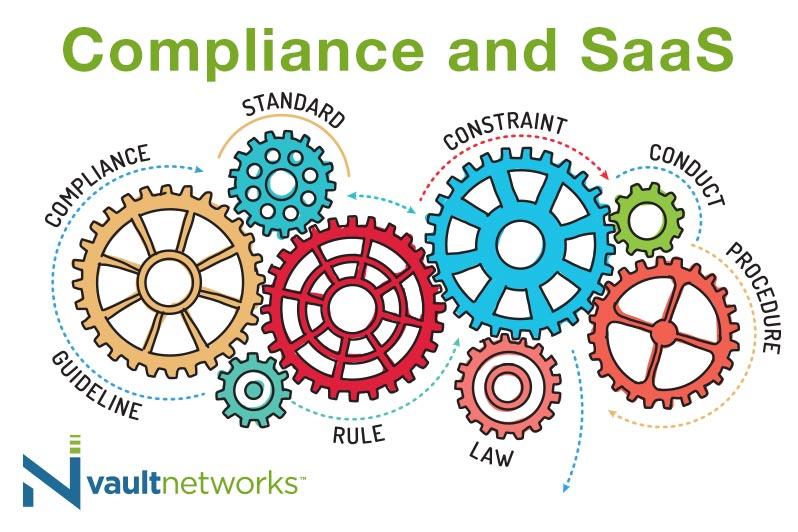
In today’s fast-paced legal landscape, compliance isn’t just a box to check; it’s a critical component of effective risk management and operational efficiency. As regulations continue to evolve and become more complex, legal practitioners are exploring innovative solutions to streamline their compliance processes. Enter Software as a Service (SaaS): a game-changing approach that has begun to transform the way legal firms manage compliance obligations. With its cloud-based infrastructure, SaaS platforms offer flexibility, scalability, and real-time access to essential tools and resources. In this article, we delve into the rising prominence of SaaS in the legal sphere, exploring how these digital solutions are not only enhancing compliance efforts but also reshaping the future of legal practice itself. Join us as we uncover the benefits, challenges, and transformative potential of integrating SaaS into compliance strategies for legal professionals.
Table of Contents
- Understanding SaaS Solutions and Their Role in Legal Compliance
- Key Benefits of Implementing SaaS in Legal Practices
- Best Practices for Transitioning to a SaaS Model in Compliance
- Future Trends in Legal Technology: Embracing SaaS for Enhanced Efficiency
- Wrapping Up
Understanding SaaS Solutions and Their Role in Legal Compliance
SaaS (Software as a Service) solutions are rapidly reshaping the landscape of legal compliance, making it more efficient and accessible for law firms and businesses alike. By leveraging cloud-based technologies, these platforms offer a centralized approach to compliance management that helps legal teams navigate the complex regulatory environment. One of the key advantages of SaaS is its ability to automate manual processes, reducing the risk of human error and ensuring that compliance requirements are met consistently. Moreover, SaaS solutions provide real-time updates on regulatory changes, enabling legal professionals to remain agile and informed. This is particularly beneficial in a field where regulations can evolve quickly, and firms must adapt promptly to avoid penalties and maintain trust with clients and stakeholders.
Utilizing SaaS tools in compliance not only streamlines operations but also fosters collaboration among legal teams. Cloud-based solutions allow for secure sharing of documents and data, ensuring that everyone involved in compliance efforts has access to the most current information. Key benefits include:
- Cost-effectiveness: Reduced IT overhead and maintenance costs.
- Scalability: Easily adapt as the firm grows or as compliance needs change.
- Accessibility: Access documents from anywhere, facilitating remote work.
- Enhanced security: Advanced features such as encryption and data backup.
To illustrate the value of SaaS in legal compliance, consider the following comparison of traditional compliance management versus SaaS-based solutions:
| Feature | Traditional Compliance Management | SaaS-Based Compliance Management |
|---|---|---|
| Updates | Manual updates; risk of outdated information. | Automated updates; real-time compliance information. |
| Documentation | Physical files; can be cumbersome to manage. | Cloud storage; easy access and sharing. |
| Collaboration | Limited to in-office communication. | Enhanced collaboration with remote teams. |
Key Benefits of Implementing SaaS in Legal Practices
Implementing Software as a Service (SaaS) in legal practices offers a multitude of benefits that can significantly enhance efficiency and client satisfaction. One of the primary advantages is the streamlined operations that SaaS solutions provide. By automating routine administrative tasks such as document management, billing, and compliance tracking, legal professionals can devote more time to substantive legal work and client interactions. This results in not only improved productivity but also a reduction in the likelihood of human error, thereby increasing the overall quality of service offered to clients.
Additionally, SaaS platforms deliver cost-effective solutions for legal firms by eliminating the need for expensive hardware and extensive IT resources. Instead of investing heavily in traditional software licenses, firms can utilize subscription-based models that ensure they only pay for what they use. This scalability helps firms of all sizes manage their budgets more effectively, allowing small practices to access tools that were once only available to larger firms. Furthermore, secure cloud storage and accessibility from various devices enhance collaboration and ensure that legal professionals can work efficiently from anywhere, thus fostering a more flexible work environment.
Best Practices for Transitioning to a SaaS Model in Compliance
Transitioning to a Software as a Service (SaaS) model can be a significant shift for legal practices, especially in the compliance sector. To ensure a smooth and effective transition, it’s critical to establish clear objectives and a phased implementation plan. Begin by conducting a thorough assessment of your current compliance processes and identifying which areas can benefit from automation and enhanced collaboration. Engage with your team to gather insights and foster buy-in; this grassroots approach will help mitigate resistance to change. A few essential steps include:
- Mapping Existing Compliance Workflows: Document current processes to understand pain points and areas for improvement.
- Selecting the Right SaaS Provider: Evaluate vendors based on their security features, compliance with regulations, and customer support.
- Training and Onboarding: Develop a comprehensive training programme to empower employees to utilize the new platform effectively.
Moreover, ongoing evaluation and feedback mechanisms are vital for refining the SaaS implementation. Consider establishing a dedicated compliance task force that regularly reviews performance metrics and gathers user feedback. This team can identify additional training needs or adjustments required to optimize the platform. To facilitate this process, you might implement key performance indicators (KPIs) to monitor the success of the transition:
| Performance Metric | Goal | Frequency of Review |
|---|---|---|
| User Adoption Rate | 85% within 3 months | Monthly |
| Error Rate in Compliance Reporting | Under 5% | Quarterly |
| Time to Compliance Resolution | Reduce by 30% | Biannually |
Future Trends in Legal Technology: Embracing SaaS for Enhanced Efficiency
As legal practices embark on a digital transformation journey, embracing Software as a Service (SaaS) solutions plays a pivotal role in enhancing efficiency and streamlining operations. By leveraging cloud-based platforms, law firms can integrate various aspects of their workflow, from document management to client communications, all in one cohesive environment. This integration allows for real-time collaboration, facilitating timely responses to client inquiries and enabling lawyers to access necessary documents from any location, at any time. The agility provided by SaaS not only helps in reducing operational costs but also supports scalability, allowing firms to easily adapt their technology stack as they grow.
Moreover, SaaS solutions are equipped with advanced analytics and reporting capabilities that empower legal professionals to make informed decisions with data-driven insights. With features such as automated compliance tracking, law firms can ensure they remain aligned with evolving regulations while minimizing the risk of breaches. Some notable advantages include:
- Cost-effectiveness: Reduced upfront hardware investments and maintenance fees.
- Accessibility: Anytime, anywhere access to crucial legal documents and resources.
- Integration: Seamless connectivity with existing tools for enhanced productivity.
| Feature | SaaS Benefits |
|---|---|
| Collaboration Tools | Fosters team coordination across disparate locations. |
| Compliance Monitoring | Automates updates to meet legal standards efficiently. |
| Cloud Storage | Ensures data security and accessibility at all times. |
Wrapping Up
As we delve into the ongoing transformation of legal practices, it’s clear that the rise of Software as a Service (SaaS) in compliance is not just a trend—it’s a necessity. The ability to streamline operations, enhance collaboration, and ensure adherence to ever-evolving regulations is crucial for legal professionals striving to stay ahead in a competitive landscape.
By embracing SaaS solutions, firms can not only improve efficiency but also foster a culture of proactive compliance, ultimately safeguarding their clients and reputations. As technology continues to evolve, it is paramount for legal practices to remain adaptable and forward-thinking.
As we look to the future, the integration of SaaS in compliance frameworks will likely become more sophisticated, offering even greater opportunities for innovation and growth. For law firms willing to embrace this change, the potential to enhance service delivery and achieve greater client satisfaction is immense.
In closing, the journey toward digital transformation in the legal field is just beginning. By leveraging the power of SaaS, legal practitioners can not only navigate the complexities of compliance but also redefine their roles as trusted advisors for their clients. It’s time to embrace this technological evolution—don’t get left behind. Stay informed, stay agile, and let SaaS lead the way in transforming your legal practice.