
Seamless Integration: Connecting SaaS with Your Systems
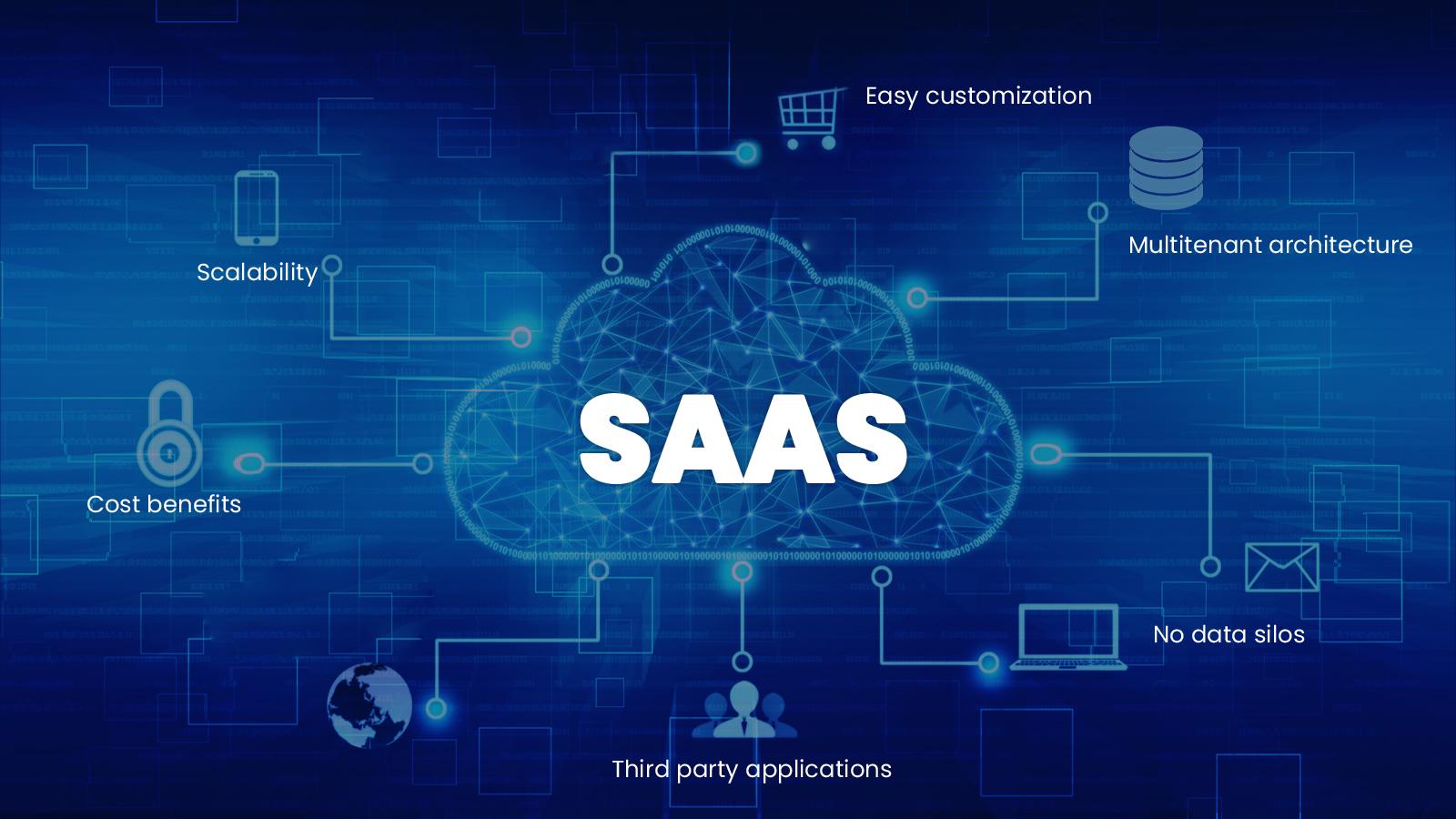
In today’s rapidly evolving digital landscape, the success of businesses hinges on their ability to adapt and innovate. As companies increasingly migrate to Software as a Service (SaaS) solutions for their operational needs, the importance of seamless integration with existing systems cannot be overstated. The ability to connect diverse platforms not only enhances workflow efficiency but also fosters a unified ecosystem that drives productivity and decision-making. In this article, we delve into the intricacies of integrating SaaS applications with your current systems, exploring best practices, potential challenges, and the transformative impact of achieving a truly connected environment. Whether you’re a seasoned IT professional or a business leader seeking to leverage cloud technologies, understanding the nuances of integration will empower you to unlock the full potential of your SaaS investments. Join us as we navigate the path to a more cohesive and efficient operational framework.
Table of Contents
- Understanding the Importance of SaaS Integration in Modern Business Environments
- Evaluating the Compatibility of Your Existing Systems for Seamless Connectivity
- Best Practices for Implementing Effective SaaS Integration Strategies
- Leveraging APIs and Middleware for Enhanced System Interoperability
- The Conclusion
Understanding the Importance of SaaS Integration in Modern Business Environments
In today’s fast-paced digital landscape, businesses are increasingly relying on Software as a Service (SaaS) solutions to meet their operational needs. The importance of integrating these applications into existing systems cannot be overstated. SaaS integration allows organizations to streamline workflows, enhance productivity, and improve data accuracy. By connecting various cloud solutions with legacy systems, businesses can unlock a wealth of information, facilitating more informed decision-making. This interconnectivity not only eliminates data silos but also fosters a culture of collaboration and transparency across departments.
Furthermore, effective integration enhances customer experiences by providing a seamless flow of information. With connected systems, teams can:
- Quickly access comprehensive customer data for personalized service.
- Automate repetitive tasks, freeing up valuable human resources.
- Enable real-time reporting and analytics for data-driven strategies.
The result is a more agile business that can adapt swiftly to market changes. In a world where customer expectations continue to rise, the agility offered by SaaS integration has become a vital component for sustainable success.
Evaluating the Compatibility of Your Existing Systems for Seamless Connectivity
Before embarking on any integration project, it is crucial to assess the compatibility of your existing systems with the Software as a Service (SaaS) solutions you wish to implement. A thorough evaluation involves understanding your current infrastructure, including hardware, software, and data flow. Consider the following factors:
- APIs: Ensure your existing systems have robust APIs that can facilitate data exchange with the new SaaS applications.
- Data Formats: Examine the data formats used in your systems to determine if they can easily sync with the SaaS solution’s requirements.
- Security Protocols: Verify that your security protocols align with those of the SaaS provider to maintain data integrity and confidentiality.
- Scalability: Evaluate if your current systems can scale accordingly to accommodate the increased load from the integration.
After identifying potential compatibility issues, you can strategize on how to address them. Documenting your findings is essential for a successful integration, allowing for a structured approach to problem-solving. Consider conducting a readiness assessment using a simple table to visualize compatibility between your systems and the SaaS application:
| Criteria | Your System | SaaS Solution | Compatibility Status |
|---|---|---|---|
| API Availability | Yes | Yes | Compatible |
| Data Format | CSV, JSON | JSON | Partially Compatible |
| Security Protocols | SSL, TLS | SSL | Compatible |
| Scalability | Medium | High | Needs Improvement |
Best Practices for Implementing Effective SaaS Integration Strategies
To create a seamless experience when integrating SaaS applications with existing systems, organizations should prioritize a few essential practices. First, thoroughly evaluate your current architecture and identify the points of integration. Understanding where data flows in and out of systems is crucial. Second, utilize APIs effectively; modern SaaS platforms often come with robust API documentation that can greatly facilitate integration efforts. Ensuring that developers are well-acquainted with these APIs can lead to more efficient implementation processes. Other best practices include establishing clear data mapping protocols to avoid data silos and ensuring compliance with data governance regulations.
Collaboration between teams is another cornerstone of successful SaaS integration. Create a cross-functional team that brings together IT, operations, and business units to assess needs and define goals. Additionally, consider employing middleware solutions if direct integration poses challenges; these often provide a flexible layer for handling data transformation and communication between applications. Here’s a quick overview of common integration approaches you might consider:
| Integration Approach | Description |
|---|---|
| API-Based Integration | Connects applications through their APIs to allow data sharing. |
| Middleware Integration | Uses a third-party service to facilitate communication and data exchange. |
| Custom Development | Involves creating bespoke solutions tailored to specific requirements. |
| Batch Processing | Gathers data in batches for periodic integration, suitable for less real-time needs. |
Leveraging APIs and Middleware for Enhanced System Interoperability
In today’s fast-paced digital ecosystem, ensuring optimal communication between disparate software solutions is paramount. APIs (Application Programming Interfaces) serve as the backbone for this integration, allowing for streamlined data exchange between SaaS (Software as a Service) applications and existing systems. By using well-designed APIs, organizations can extend the functionality of their software, enhancing workflows and ensuring that critical data is accessible across the board. Middleware solutions can further augment this process by acting as a bridge, facilitating communication and data management across different platforms without the need for extensive code modifications.
With the right combination of APIs and middleware, businesses can realize a series of substantial benefits, including:
- Improved Data Synchronization: Keeping data consistent across systems reduces the risk of errors and enhances decision-making.
- Increased Efficiency: Automating data transfer saves time and resources, allowing teams to focus on value-added tasks.
- Scalability: Easily adapt and integrate new applications without significant overhauls of existing systems.
Understanding and leveraging these technologies can significantly drive progress, making it essential for organizations to stay ahead in the integration game. The table below encapsulates the distinct roles and benefits these technologies bring.
| Technology | Role | Benefit |
|---|---|---|
| API | Data Exchange | Seamless Interaction |
| Middleware | Integration Bridge | Reduced Complexity |
The Conclusion
Conclusion
In today’s fast-paced digital landscape, the ability to seamlessly integrate Software as a Service (SaaS) solutions with your existing systems is not just a luxury; it’s a necessity. By leveraging the right integration strategies, tools, and best practices, organizations can achieve a unified workflow that enhances productivity, improves data accuracy, and drives innovation.
As you embark on your integration journey, remember to take the time to assess your unique requirements and challenges. Each organization is different, and a tailored approach will yield the best results. Furthermore, fostering collaboration between your IT team and end users can ensure that your integration efforts align with real-world needs and expectations.
The benefits of a well-integrated SaaS ecosystem extend beyond operational efficiency—they can transform your organization, enabling you to respond more rapidly to market changes and customer demands. So, whether you’re just starting out with SaaS solutions or looking to enhance your existing setups, embrace the potential of seamless integration. It’s a powerful step toward achieving a more agile and connected business environment.
Thank you for reading! We hope this article has provided valuable insights into the importance of integration and equipped you with the tools to elevate your organization’s performance. If you have any questions or would like to share your own integration success stories, we’d love to hear from you in the comments below!