
Navigating the Security Challenges of SaaS Applications
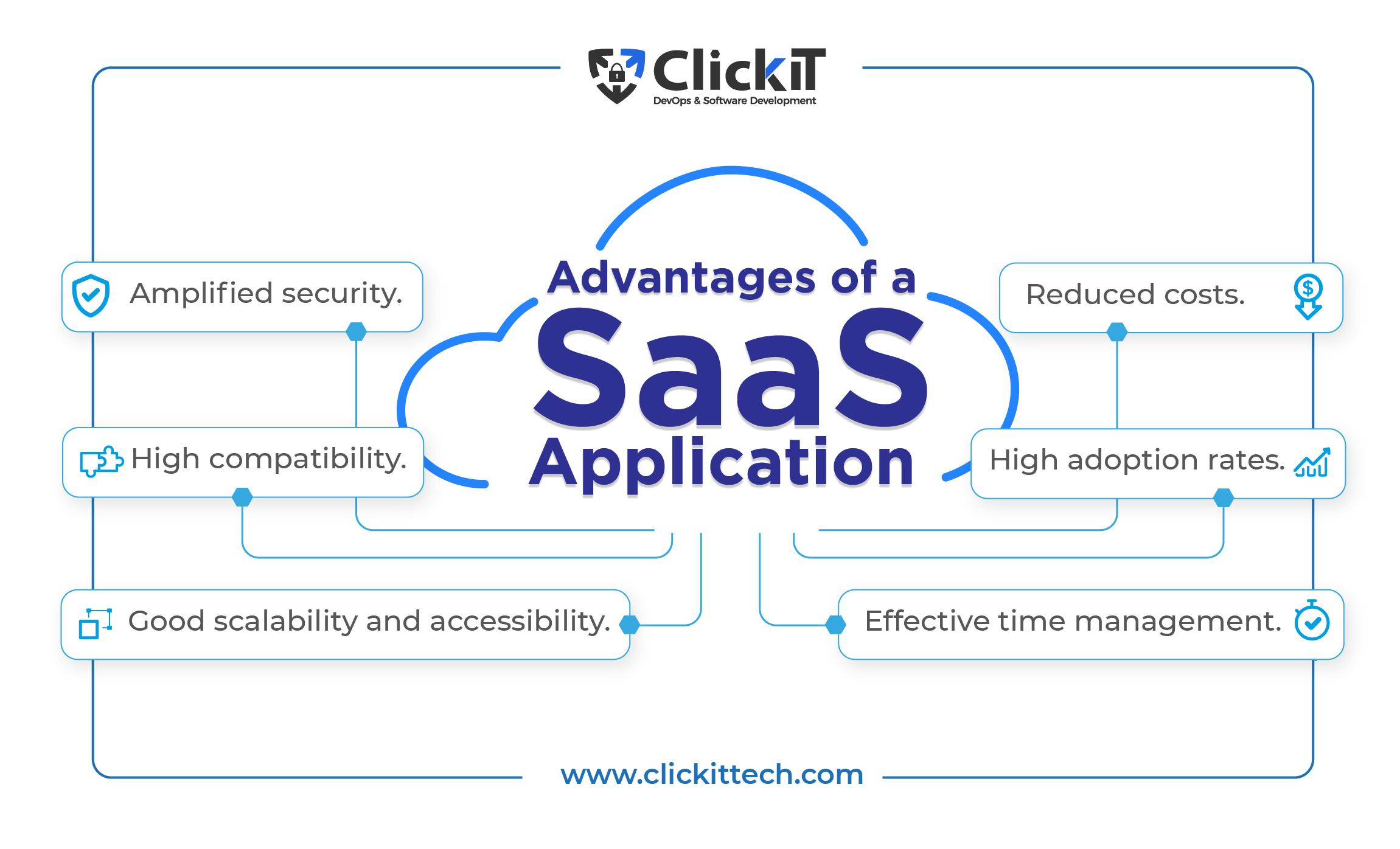
In an era where digital transformation is reshaping the business landscape, Software as a Service (SaaS) applications have emerged as a vital component of modern organizational strategies. Providing unmatched flexibility, scalability, and cost-effectiveness, SaaS solutions have revolutionized how companies operate. However, with these advantages come significant security challenges that cannot be overlooked. As businesses increasingly rely on third-party applications to handle sensitive data and mission-critical operations, understanding the security implications becomes imperative. In this article, we will explore the multifaceted security challenges of SaaS applications and provide actionable insights on how businesses can navigate these hurdles to protect their assets and ensure compliance. Join us as we delve into the complexities of SaaS security and the best practices that can safeguard your organization in this dynamic digital environment.
Table of Contents
- Understanding the Unique Security Risks of SaaS Applications
- Best Practices for Securing Data in Cloud Environments
- Implementing Comprehensive Access Controls and User Management
- Monitoring and Compliance: Ensuring Continuous Security Posture
- The Way Forward
Understanding the Unique Security Risks of SaaS Applications
SaaS applications have transformed the landscape of software delivery, making them an attractive option for businesses seeking flexibility and scalability. However, this convenience comes with unique security risks that organizations must navigate. Data breaches are a primary concern, as sensitive information is often stored in cloud environments that may be vulnerable to unauthorized access. Additionally, the multi-tenancy model of SaaS means that multiple customers share the same resources, which can potentially expose them to risks associated with other users if proper safeguards aren’t in place.
Another critical risk revolves around inadequate access controls. Employees may inadvertently expose sensitive data through poor password practices or by using unmanaged devices. Furthermore, vendor compliance becomes paramount, as companies must ensure that their SaaS providers adhere to necessary industry regulations and standards. Organizations need to establish a comprehensive risk management strategy that includes evaluating the security posture of their SaaS vendors and maintaining robust internal security protocols.
| Security Risk | Description |
|---|---|
| Data Breaches | Unauthorized access to sensitive information stored in the cloud. |
| Multi-Tenancy Risks | Potential exposure due to shared resources among different customers. |
| Inadequate Access Controls | Weak password practices and unmanaged device usage. |
| Vendor Compliance | Ensuring SaaS providers meet industry regulations and standards. |
Best Practices for Securing Data in Cloud Environments
To effectively secure data in cloud environments, it is essential to implement a robust security framework that addresses key vulnerabilities. Encryption should be a foundational element, both for data at rest and in transit. This ensures that unauthorized users cannot access sensitive information even if they manage to breach your defenses. Additionally, organizations should enforce multi-factor authentication (MFA), which adds an extra layer of verification beyond just a password, significantly reducing the risk of unauthorized access. It’s also crucial to regularly update and patch all applications and systems to protect against the latest threats.
Another best practice is to conduct regular security audits and penetration testing to identify and rectify any potential weaknesses in your cloud structure. Educating employees about security protocols and best practices can also bolster your defenses significantly, as human error often presents the largest risk. Furthermore, consider employing a well-defined data access policy that limits access to sensitive information based on user roles. This principle of least privilege helps mitigate the chances of data breaches by ensuring that users only have access to the information necessary for their job functions.
| Security Measure | Description |
|---|---|
| Encryption | Protects data by converting it into a coded format. |
| MFA | Requires additional verification beyond just passwords. |
| Security Audits | Regular assessments of security protocols and vulnerabilities. |
| Access Policies | Limits data access based on user roles and responsibilities. |
Implementing Comprehensive Access Controls and User Management
In today’s digital landscape, comprehensive access controls and user management are vital for safeguarding sensitive data in SaaS applications. Identity and access management (IAM) must be implemented to ensure that only authorized personnel can access specific features and data. This can be effectively managed through a combination of role-based access controls (RBAC) and attribute-based access controls (ABAC). A well-structured access control policy not only minimizes the risk of breaches but also enhances the efficiency of user management by allowing organizations to define and enforce security protocols tailored to their unique operational needs. Consider the following best practices:
- Least Privilege Principle: Grant users the minimum level of access necessary for their duties.
- Regular Audits: Conduct periodic reviews of user access rights to ensure compliance and identify any discrepancies.
- Multi-Factor Authentication (MFA): Implement MFA to add an additional layer of security beyond just usernames and passwords.
To further enhance security, businesses should adopt a systematic approach to monitoring user activity within the SaaS applications. This can be achieved through robust logging, enabling organizations to track who accessed what data and when. Regular monitoring not only aids in detecting suspicious behaviour but also assists in compliance with data protection regulations. An organized log analysis framework can be instrumental. The table below showcases key user activity metrics that should be monitored:
| Metric | Description |
|---|---|
| Access Attempts | Tracks the number of successful and failed login attempts. |
| Data Access Frequency | Monitors how often users access sensitive data. |
| Permission Changes | Logs modifications to user roles and permissions. |
Monitoring and Compliance: Ensuring Continuous Security Posture
In an era where the cloud dominates software solutions, monitoring and compliance play a pivotal role in maintaining a robust security posture. Organizations must establish a comprehensive framework that encompasses real-time monitoring of SaaS applications to identify vulnerabilities and ensure compliance with industry standards. This entails utilizing advanced tools for continuous threat detection, logging user activities, and conducting regular security assessments. By prioritizing the monitoring of key performance indicators, teams can quickly respond to potential threats, diminishing their impact on sensitive data.
Moreover, fostering a culture of compliance awareness throughout the organization is essential. This can be facilitated through continuous education and training sessions that emphasize the latest security protocols and compliance requirements. To help teams understand the importance of compliance, it’s beneficial to outline the core regulations affecting their operations. Below is a simplified view of major compliance frameworks relevant to SaaS security:
| Regulation | Description |
|---|---|
| GDPR | Protects EU citizens’ personal data and privacy. |
| HIPAA | Sets national standards for the protection of health information. |
| PCI DSS | Ensures secure processing of credit card transactions. |
| ISO 27001 | Specifies requirements for an information security management system. |
By aligning monitoring efforts with these compliance frameworks, organizations can effectively thwart breaches and protect their assets. Emphasizing ongoing evaluation and modification of security policies ensures that they adapt to the evolving threat landscape, thereby solidifying the organization’s security posture against new vulnerabilities.
The Way Forward
as organizations increasingly rely on SaaS applications to streamline operations and enhance productivity, it is imperative to remain vigilant about the unique security challenges they present. By understanding the risks and implementing robust security measures—such as strict access controls, regular audits, and comprehensive training programs—you can safeguard sensitive data and maintain compliance with regulatory standards.
Navigating these challenges may seem daunting, but with a proactive approach and a commitment to continuous improvement, businesses can leverage the advantages of SaaS without compromising their security. Remember, the effectiveness of your security strategy doesn’t just protect your organization today; it also prepares you for the future as the digital landscape continues to evolve. Stay informed, stay secure, and embrace the transformative power of SaaS with confidence.
Thank you for reading, and we hope you found this article insightful. Be sure to share your thoughts and experiences in the comments below, and subscribe for more discussions on navigating the complexities of the digital world.