
Navigating Security Challenges in SaaS Applications Today
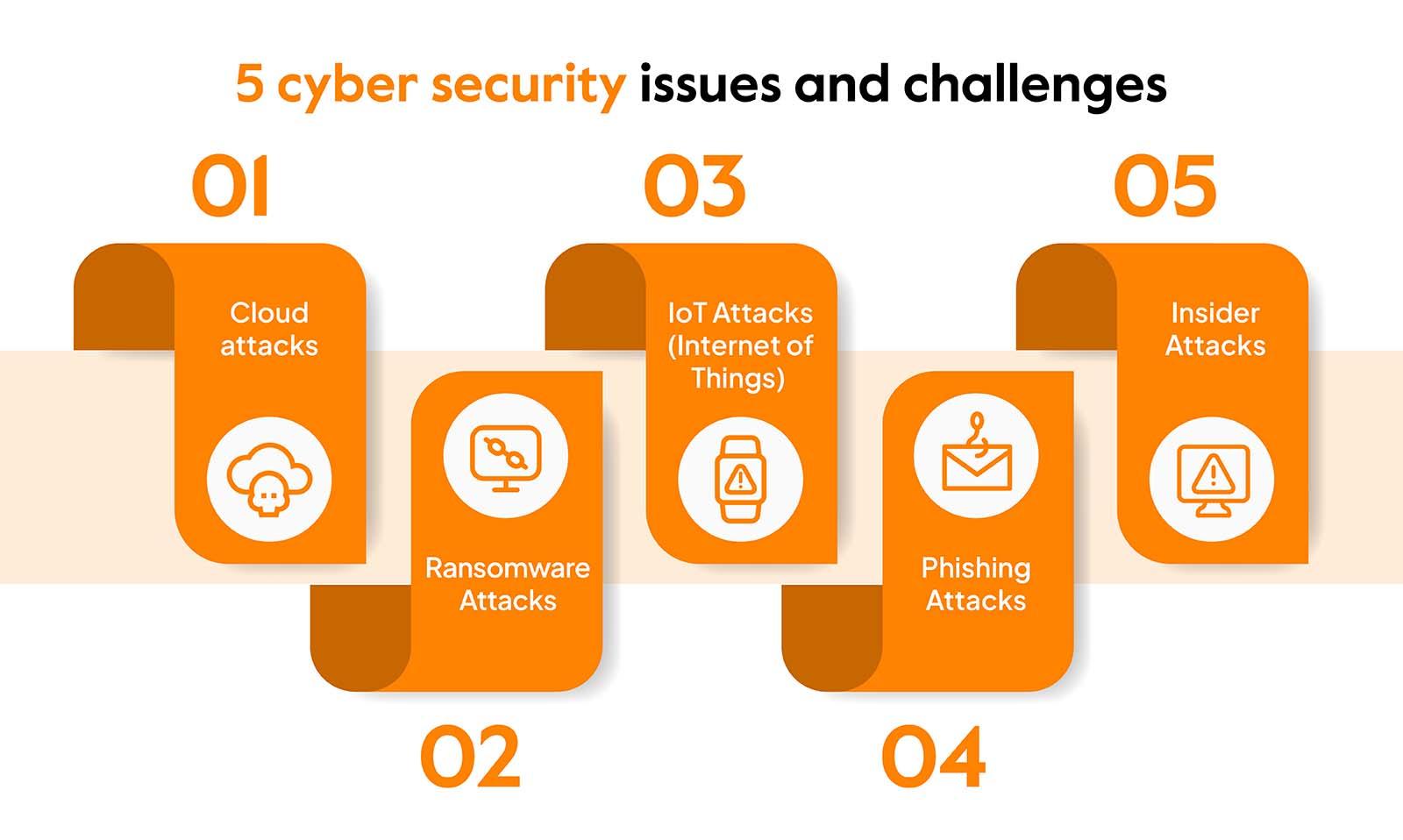
In today’s hyper-connected world, Software as a Service (SaaS) applications have transformed the way businesses operate, enabling teams to collaborate, innovate, and scale with unprecedented efficiency. However, with these advancements come a host of security challenges that organizations must navigate to protect sensitive data and maintain trust. As cyber threats grow increasingly sophisticated and regulatory landscapes evolve, understanding the security implications of adopting SaaS solutions is more critical than ever. In this article, we’ll explore the most pressing security challenges facing SaaS applications today, offering insights and strategies to help organizations fortify their defenses in this ever-changing digital landscape. Whether you’re a seasoned IT professional or a business leader seeking to harness the power of cloud computing, this guide will equip you with the knowledge needed to safeguard your SaaS investments.
Table of Contents
- Understanding the Evolving Threat Landscape in SaaS Environments
- Implementing Robust Data Protection Strategies for SaaS Solutions
- Best Practices for Enhancing User Authentication and Access Control
- Employing Continuous Monitoring and Incident Response for SaaS Security
- Insights and Conclusions
Understanding the Evolving Threat Landscape in SaaS Environments
The security landscape surrounding Software as a Service (SaaS) platforms is continuously shifting, influenced by emerging technologies, evolving cybercriminal tactics, and an increasing reliance on cloud-based solutions. As organizations adopt SaaS applications to enhance operational efficiency and facilitate remote access, they simultaneously create potential vulnerabilities that can be exploited if not proactively managed. Some critical factors contributing to this evolving threat landscape include:
- Data Breaches: The risk of unauthorized access to sensitive information remains a paramount concern.
- Insider Threats: Disgruntled employees or inadequate access controls can lead to intentional or accidental data leaks.
- Malware Attacks: Increasing sophistication of malware designed to target cloud applications poses a severe threat.
- Lack of Compliance: Inadequate adherence to industry regulations can result in significant penalties and reputational damage.
Understanding these threats requires keeping pace with the rapid technological advancements and regulatory changes. Organizations must implement robust security measures tailored specifically for SaaS environments. This proactive approach includes evaluating third-party provider security protocols, investing in advanced authentication methods, and emphasizing ongoing employee training. Below is a brief comparison table outlining essential security practices against potential threats:
| Security Practice | Threat Addressed |
|---|---|
| Multi-Factor Authentication | Data Breaches |
| Regular Audits and Monitoring | Insider Threats |
| Real-Time Malware Detection | Malware Attacks |
| Compliance Training Programs | Lack of Compliance |
Implementing Robust Data Protection Strategies for SaaS Solutions
To achieve effective data protection for SaaS solutions, organizations must implement a multi-layered security approach that encompasses a variety of strategies. Data encryption is one of the foundational elements, safeguarding sensitive information both at rest and in transit. Additionally, leveraging access controls ensures that only authorized personnel can access critical data, reducing the risk of internal and external breaches. Organizations should also consider implementing tokenization to replace sensitive data elements with non-sensitive equivalents, thus minimizing exposure. Regular security audits and vulnerability assessments further enhance defenses by identifying weaknesses before they can be exploited.
Another essential practice is to foster a culture of security awareness among employees. Training staff on the latest phishing tactics, social engineering risks, and secure data handling can significantly mitigate risks. Incorporating automated monitoring tools allows for real-time detection of suspicious activities, enabling swift incident response. A robust incident response plan is also crucial, outlining the steps to take in the event of a data breach. Below is a simple overview of key components for a resilient data protection strategy:
| Strategy | Description |
|---|---|
| Data Encryption | Protects data at rest and in transit from unauthorized access. |
| Access Controls | Restricts data access to authorized users and roles only. |
| Tokenization | Replaces sensitive data with non-sensitive tokens. |
| Security Audits | Regular assessments to identify potential security vulnerabilities. |
| Employee Training | Educating staff on best security practices to mitigate risks. |
Best Practices for Enhancing User Authentication and Access Control
To strengthen user authentication and access control, organizations should adopt a multi-faceted approach that emphasizes both technology and user behavior. Implementing multi-factor authentication (MFA) is a crucial step in this direction, as it adds an additional layer of security beyond just passwords. Educating users on the importance of password management, including practices such as generating complex passwords and using password managers, can significantly reduce the risk of unauthorized access. Additionally, incorporating features like session timeouts and IP whitelisting can further safeguard sensitive data, ensuring that even if credentials are compromised, access can be effectively controlled.
Monitoring user behavior plays a vital role in enhancing access control. By deploying anomaly detection systems, organizations can identify unusual patterns indicating potential security breaches in real-time. Implementing strict role-based access control (RBAC) ensures that users only have access to the information necessary for their roles, minimizing the potential impact of compromised accounts. Regularly revisiting access permissions and auditing user roles help maintain a secure environment. Furthermore, consider employing tools for identity and access management (IAM), which centralize user authentication processes and simplify the management of user privileges across various SaaS applications.
Employing Continuous Monitoring and Incident Response for SaaS Security
In an era where SaaS applications are becoming ubiquitous, employing continuous monitoring and a robust incident response strategy is essential for maintaining security. Continuous monitoring involves real-time analysis of systems and applications to detect anomalies, vulnerabilities, and potential threats before they escalate. Organizations should invest in tools that automate this process, allowing for the constant evaluation of security metrics and compliance with regulatory standards. These tools can help identify suspicious activities such as unauthorized access attempts, data exfiltration, or service disruptions, ensuring that organizations can act swiftly to mitigate risks.
Equally critical is a well-defined incident response (IR) plan that outlines the procedures for addressing security breaches. This includes establishing a dedicated response team, determining roles and responsibilities, and creating communication protocols to manage the fallout effectively. Key elements of an IR plan should include:
- Detection and analysis of incidents
- Containment strategies to limit damage
- Eradication of threats
- Recovery steps to restore functions
- Post-incident review for improvement
Having a structured approach enables organizations to respond promptly and efficiently, improving overall resilience and minimizing the impact of security threats.
Insights and Conclusions
Conclusion: Tackling Security Challenges in SaaS Applications
As we navigate the ever-evolving landscape of Software as a Service (SaaS), it becomes increasingly clear that prioritizing security is not just an option but a necessity. The rise in cyber threats and the sensitivity of data stored in cloud environments demand a proactive and comprehensive approach to safeguarding your applications. By understanding the unique challenges posed by SaaS and implementing robust security protocols, businesses can mitigate risks while harnessing the agility and scalability that cloud solutions offer.
In this rapidly changing digital ecosystem, fostering a culture of security awareness, investing in the right technologies, and staying informed about emerging threats are critical steps every organization should take. As we continue to embrace the many benefits of SaaS, let us remain vigilant and committed to protecting our data and maintaining the trust of our users.
Remember, security is an ongoing journey, and staying ahead of the curve will not only shield your business from potential threats but also position you as a leader in a market that increasingly values data integrity and protection. Let’s work together to create a more secure SaaS environment for all. Thank you for joining us on this exploration of security challenges in SaaS applications today. Stay safe, stay informed, and keep pushing the boundaries of innovation.