
Key Features to Consider When Choosing a Hosting Plan
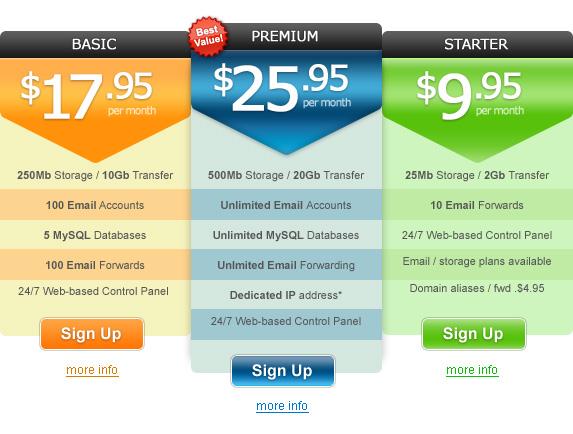
In today’s digital landscape, selecting the right hosting plan is a critical decision that can significantly impact your website’s performance, security, and scalability. Whether you’re launching a personal blog, an online store, or a corporate site, the hosting environment forms the backbone of your online presence. With a myriad of options available—from shared hosting to dedicated servers—each with its own set of features and benefits, the choices can be overwhelming. In this article, we’ll break down the key features you should consider when choosing a hosting plan, empowering you to make an informed decision that aligns with your unique needs and goals. Join us as we explore essential factors like reliability, speed, customer support, and scalability, ensuring that your website not only meets expectations but exceeds them.
Table of Contents
- Understanding Your Websites Needs
- Evaluating Performance and Uptime Guarantees
- Comparing Security Features and Support
- Assessing Scalability and Future Growth Potential
- To Wrap It Up
Understanding Your Websites Needs
Every website has unique requirements that must be addressed when selecting a hosting plan. Assessing your site’s needs begins with a thorough understanding of your goals, audience, and the type of content you will be delivering. Factors to consider include:
- Traffic Volume: Anticipate your site’s traffic level to determine the necessary bandwidth.
- Type of Content: Different content types, like video versus static pages, demand varied resources.
- Growth Potential: Choose a plan that accommodates scaling as your website expands.
- Technical Requirements: Consider any specific software or server configurations needed for your website.
Another critical aspect to evaluate is the level of support you may require. For some, 24/7 customer service is a must due to the nature of their business, while others may only need basic assistance during office hours. You should also explore:
- Types of Hosting: Evaluate options like shared, VPS, and dedicated hosting based on your needs and budget.
- Security Features: Look for plans that include SSL certificates and regular backups.
- Performance: Investigate speed and uptime guarantees to ensure a smooth user experience.
- Control Panel: A user-friendly interface can make managing your site far easier.
Evaluating Performance and Uptime Guarantees
When selecting a hosting plan, assessing performance metrics and uptime guarantees is crucial to ensure your website remains accessible and efficient. Look for providers that offer 99.9% uptime guarantees or higher, which is a standard for reputable services. This metric indicates the reliability of the host, impacting everything from user experience to search engine rankings. A hosting provider that takes uptime seriously often includes compensation in the form of service credits if they fail to meet their promised uptime, adding an extra layer of accountability.
In addition to uptime, consider the performance characteristics such as load time, server response time, and scalability. Fast loading times are essential for retaining visitors, with studies indicating that a mere second delay can result in significant content abandonment. Pay attention to the following features when evaluating performance:
- Content Delivery Network (CDN) support
- Caching options to speed up loading
- Resource allocation, including CPU and RAM limits
If you want a concise comparison, here’s a simple table showcasing key performance indicators of different hosting plans:
| Hosting Plan | Uptime Guarantee | Average Load Time | CDN Available |
|---|---|---|---|
| Basic Plan | 99.5% | 1.2s | No |
| Standard Plan | 99.9% | 800ms | Yes |
| Premium Plan | 99.99% | 500ms | Yes |
Comparing Security Features and Support
When it comes to selecting a hosting plan, the security features offered by the provider are paramount. A robust security system can deter potential cyber threats, safeguarding your data and ensuring your website runs smoothly. Look for the following essential features:
- SSL Certificates: These encrypt data between the server and user, enhancing confidentiality.
- Firewalls: Effective firewalls can block unauthorized access and monitor traffic.
- Regular Backups: Frequent backups ensure that your data can be restored quickly in case of any mishap.
- Malware Scanning: This feature detects and removes harmful software from your site.
- DDoS Protection: Protects your site from distributed denial-of-service attacks that aim to overwhelm your resources.
In addition to security, support services play a significant role in your hosting experience. It’s crucial to choose a provider that offers dependable customer support, available 24/7, to promptly address any issues that may arise. Consider the following aspects:
- Live Chat Availability: Immediate assistance can significantly reduce downtime during crises.
- Knowledge Base: A well-organized resource center enhances your ability to troubleshoot typical problems on your own.
- Phone Support: Direct communication with support representatives can lead to quick resolutions.
- Multi-channel Support: Access support through various channels like email, chat, and tickets for added convenience.
| Feature | Importance |
|---|---|
| SSL Certificates | High |
| Firewalls | High |
| Regular Backups | Medium |
| DDoS Protection | High |
| Live Chat | High |
Assessing Scalability and Future Growth Potential
When evaluating a hosting plan, it’s crucial to consider how well it can accommodate your site’s growth. Look for flexible resources that allow for easy upgrades as your traffic increases. Many hosting providers offer scalable solutions, enabling you to adjust CPU, RAM, and storage without significant downtime. This adaptability is vital for businesses experiencing fluctuating traffic or planning to launch new features that might demand additional server capacity. Always verify that your chosen provider offers a smooth transition to higher-tier plans, minimizing disruption to your operations.
Additionally, assess the future-proofing capabilities of potential hosting providers. This means checking for advanced features such as auto-scaling, which automatically adjusts resources based on demand, and content delivery networks (CDNs) that enhance performance by distributing content closer to users. Evaluate pricing structures as well; growth can lead to unexpected costs if resources are not aligned with your budgetary expectations. A transparent pricing model with predictable scaling costs will ensure a stable growth trajectory without unwelcome surprises.
To Wrap It Up
selecting the right hosting plan is a crucial decision that can significantly impact your website’s performance, security, and overall success. By carefully considering key features such as bandwidth, storage, customer support, scalability, and security measures, you can ensure that your hosting solution aligns with your specific needs and goals. Remember, the ideal hosting plan is not just about price; it’s about finding the right balance between functionality, reliability, and support. As you embark on this journey, take the time to assess your options, and don’t hesitate to seek guidance if needed. With the right hosting plan in place, you’ll be well on your way to establishing a robust online presence that can grow and evolve with your ambitions. Happy hosting!